
Sensor to measure steam
What Sensor to measure steam? Steam is also known as “water vapor”. Various types of steam are classified according to pressure and temperature: saturated steam, superheated steam. The main uses of steam are heating/humidification; it can also generate power; it can be used as a machine drive. There are many kinds of sensors for measuring steam, such as steam pressure sensor, steam temperature sensor, steam flow sensor, etc.
Table of Contents
Backgroud: Sensor to measure steam
Steam is also known as “water vapor”. Various types of steam are classified according to pressure and temperature: saturated steam, superheated steam. The main uses of steam are heating/humidification; it can also generate power; it can be used as a machine drive. There are many kinds of sensors for measuring steam, such as steam pressure sensor, steam temperature sensor, steam flow sensor, etc.

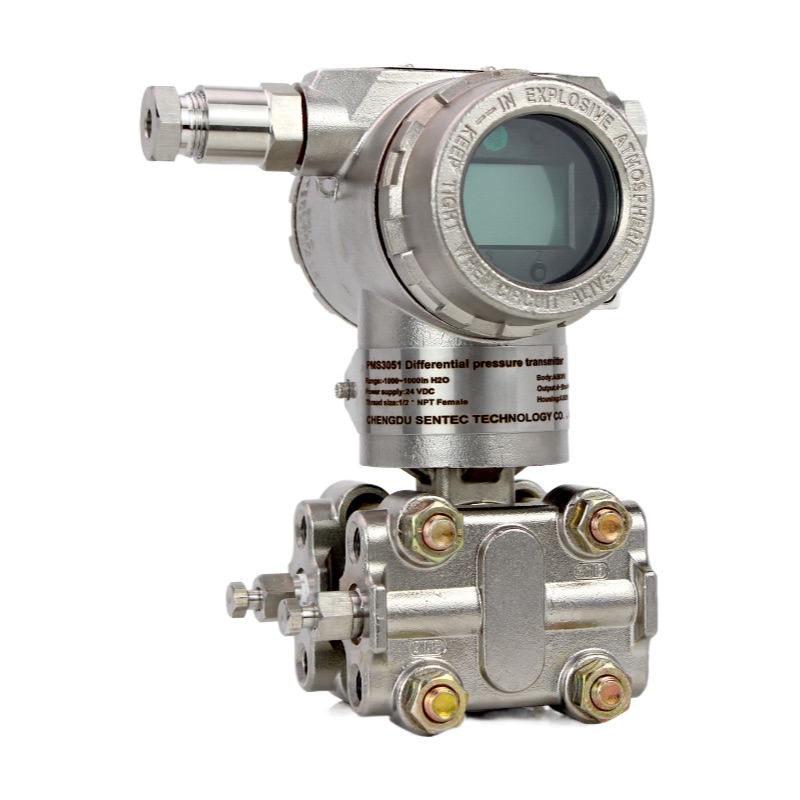
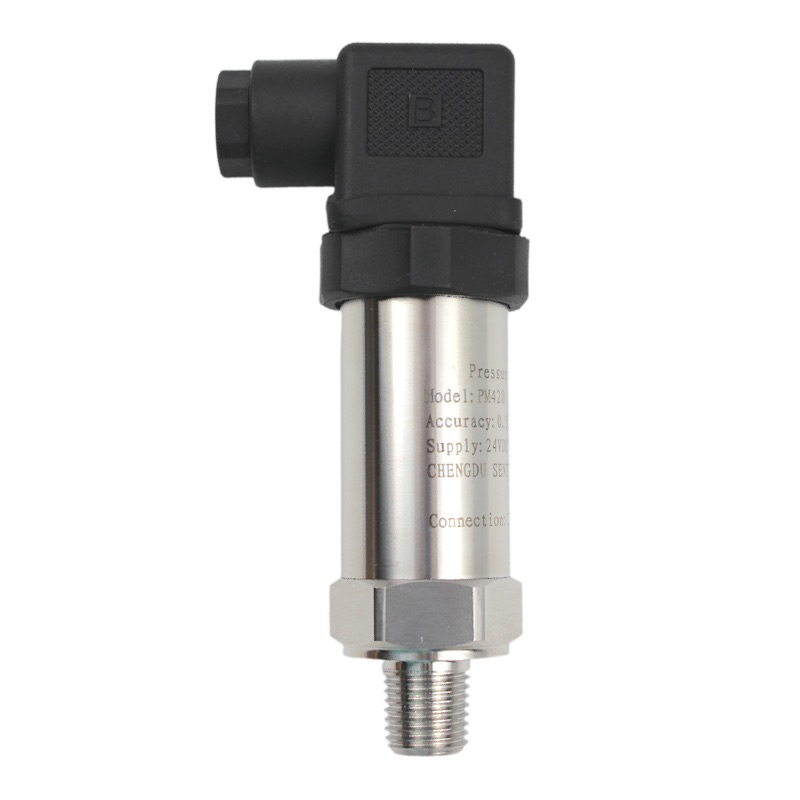
Steam Pressure Transmitter
A steam pressure transmitter is a device that converts pressure into pneumatic signals or electric signals for control and remote transmission. It can transform physical pressure parameters such as gas and liquid and other physical parameters to standard electrical signals (such as 4~20 mADC, etc.), so as to instruct indicator, alarm, recorder and regulator for measurement, indication and process adjustment.
The steam pressure transmitter is one of the most commonly used sensors in industry practice. It is widely used in all kinds of industrial automatic control environment. It involves many industries, such as water conservancy and hydropower, railway transportation, intelligent building, production automation, aerospace, military industry, petrochemical, oil well, electric power, ship, machine tool, pipeline and so on. The pressure transmitter can be divided into two kind: electric and pneumatic type. The unified electric output signal is 0 to 10 mA, 4 to 20 mA or 1 to 5 V. The aerodynamic uniform output signal is 20 ~ 100 Pa of gas pressure.
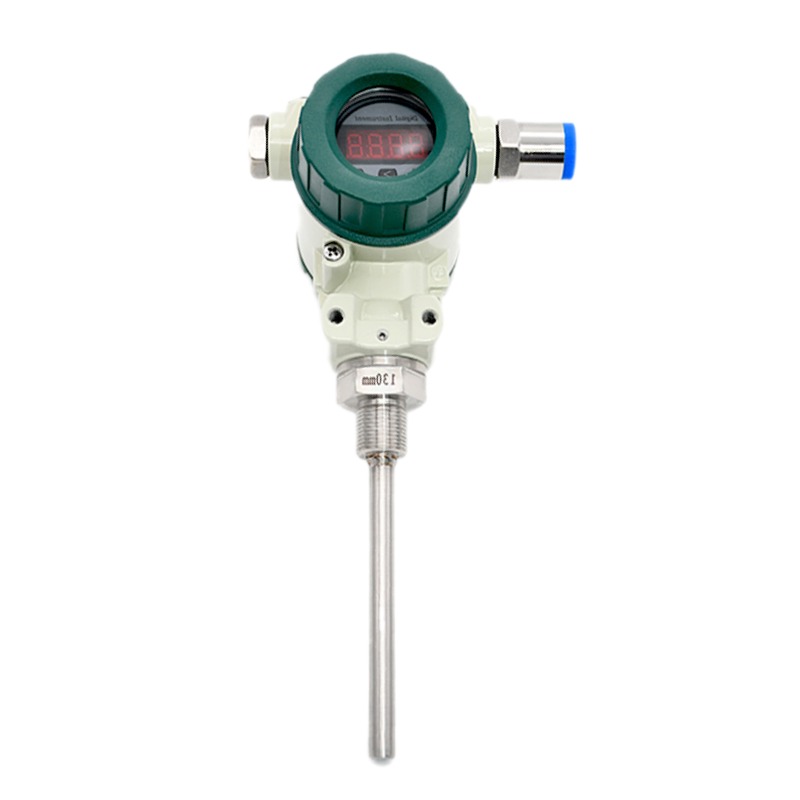
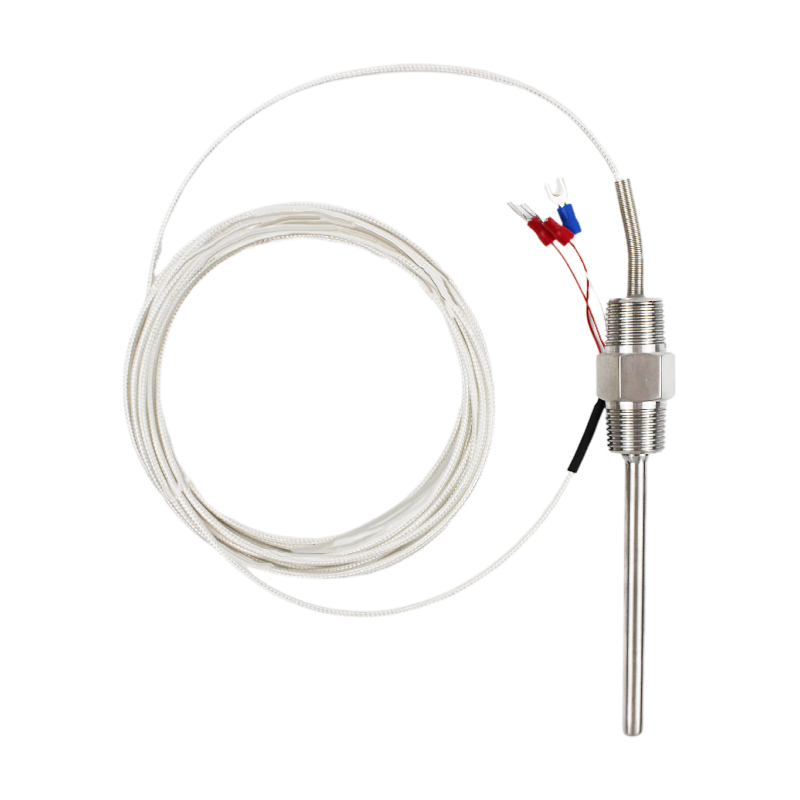
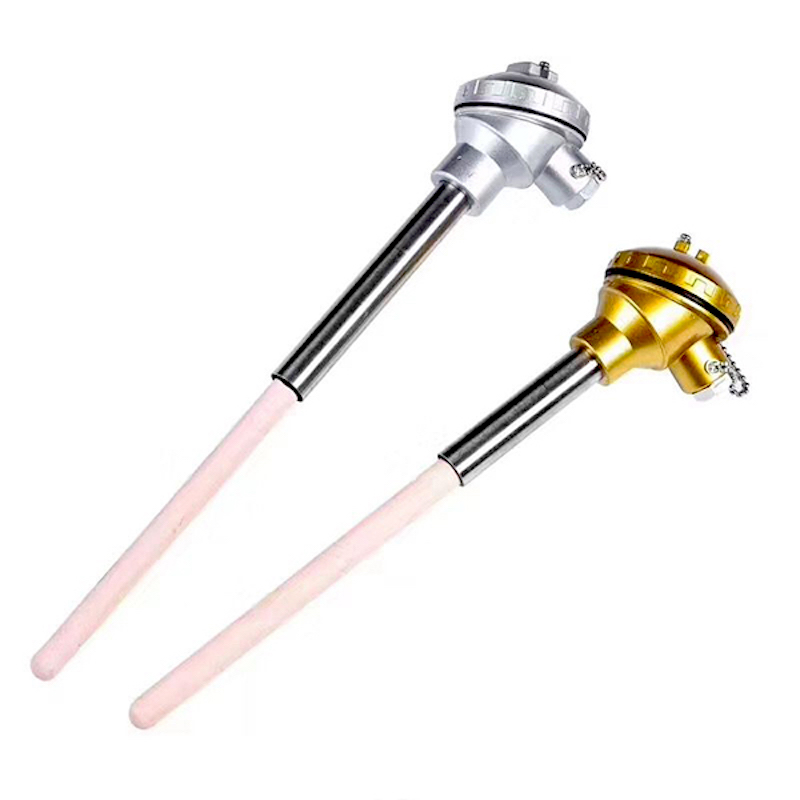
Steam temperature sensor
A sensor that detects steam temperature is called a steam temperature sensor. The steam temperature sensor is composed of a temperature sensitive element and a detection circuit. From the perspective of use, temperature sensors can be roughly divided into two categories: contact type and non-contact type.
According to the mode of the output signal of the temperature sensor, it can be roughly divided into three categories: digital temperature sensor, logic output temperature sensor, and analog temperature sensor.
Subscribe To get new products and solutions
Steam Flow Meter
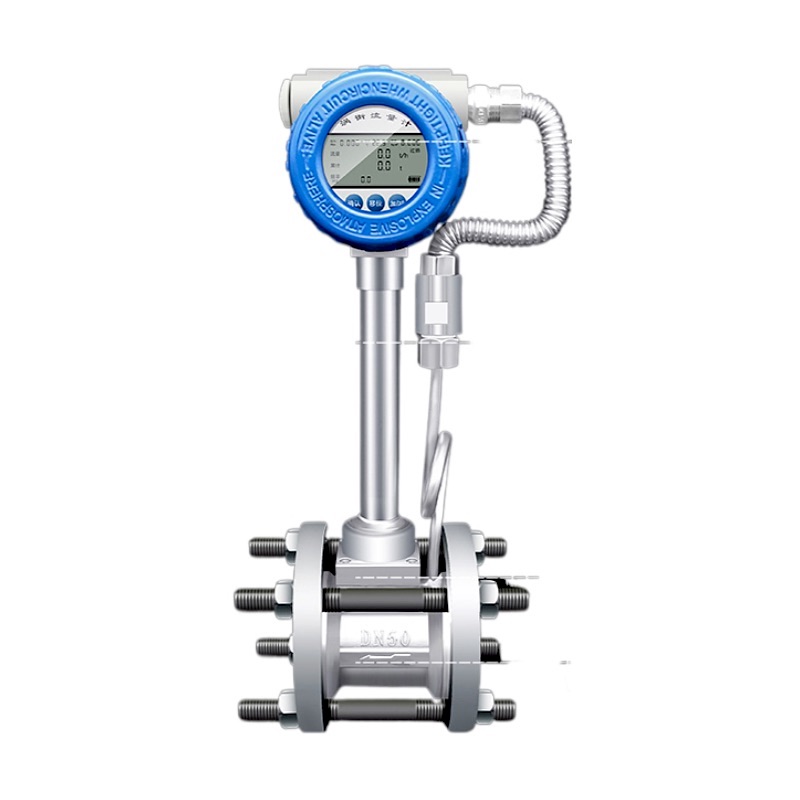
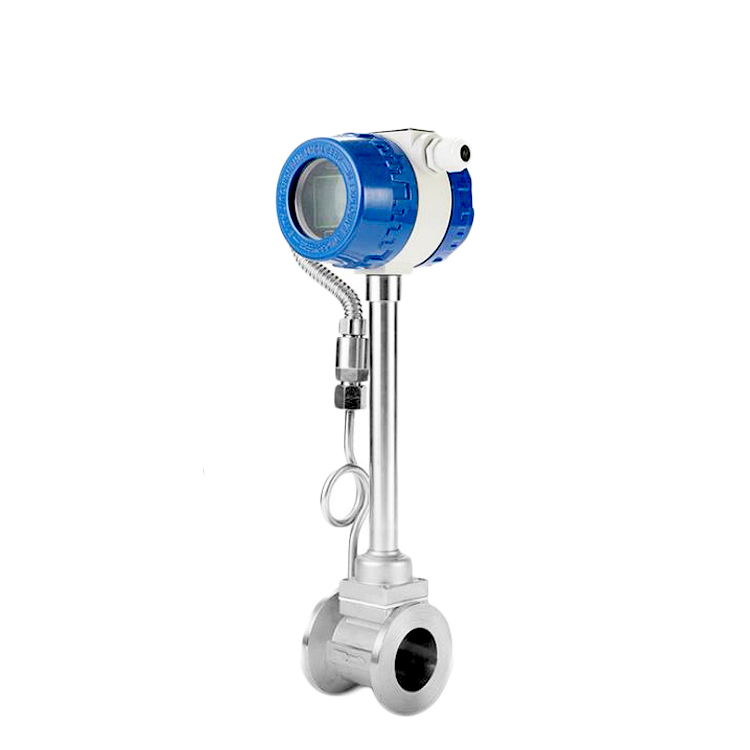
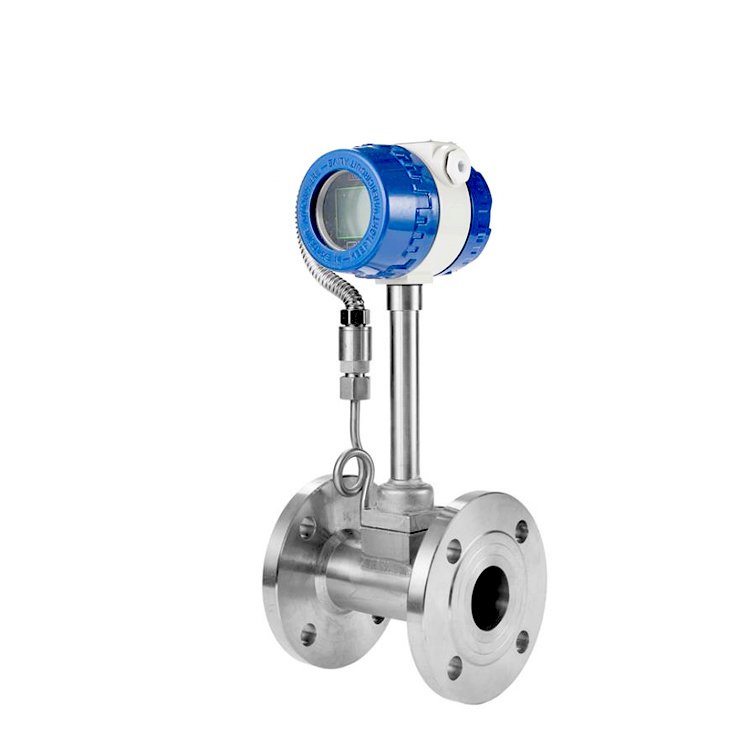
Vortex flow meter with built-in temperature sensor and pressure sensor to realize vapor mass flow measurement
FMV813 series vortex flow meter now has update with integral temperature and pressure compensation; it does not need any external pressure transmitter, temperature sensor (RTD) also flow computer , which save a lot installation work for the customers. The vortex shedding flow meter digital display can show below information by only one vortex sensor:
*Steam temperature
*Steam pressure
*Steam mass flow (instant flow)
*Steam total mass flow ,steam flow meter with totalizer
It can be made into various process connections for different demands, such as thread, flange, wafer, insertion vortex sensor.
Latest Posts
Level Switch Types Explained: Choosing the Right One for Your Application
Level Switch Types Explained: Choosing the Right One for Your Application Introduction The choice between various level switch types available can make the difference between

Pressure and Temperature Transducer Basics: Tips for Accurate Measurements
A single process point can now measure two critical parameters. This has revolutionized industrial monitoring, and the pressure and temperature transducer makes this possible with

How to Connect Wireless Pressure Transmitters Using 4G and NB-IOT Networks
Wireless pressure transmitter using 4G and NB-IoT networks signal technology can operate on a single battery for up to many years while it maintains network

Continuous Level Measurement vs Point Level Sensors: Which Works Better for Your Process?
Continuous level measurement provides immediate monitoring of material levels throughout the whole span of tanks and vessels. This capability is essential to control processes, maintain