Choosing the wrong dissolved oxygen sensor can lead to catastrophic failures: fish suffocating in aquaculture systems or bacteria dying in wastewater treatment plants, halting decomposition. These scenarios aren’t hypothetical. They happen when monitoring equipment doesn’t match application requirements. We’ve seen countless facilities struggle with sensor selection, so they face operational disruptions that get pricey and compliance issues.
The market offers several technologies. You’ll find optical dissolved oxygen sensor systems, polarographic dissolved oxygen sensor models, amperometric dissolved oxygen sensor options, and various dissolved oxygen sensor probe configurations. Each technology has distinct advantages regarding maintenance needs, response times and acquisition costs.
This piece walks you through proven selection criteria and application-specific recommendations. We’ll cover performance evaluation methods that give you the tools to choose the right sensor for reliable water monitoring results.
Understanding dissolved oxygen sensor types
The market offers four primary dissolved oxygen sensor technologies. Each functions on distinct measurement principles that determine their suitability for specific applications.
Optical dissolved oxygen sensor technology
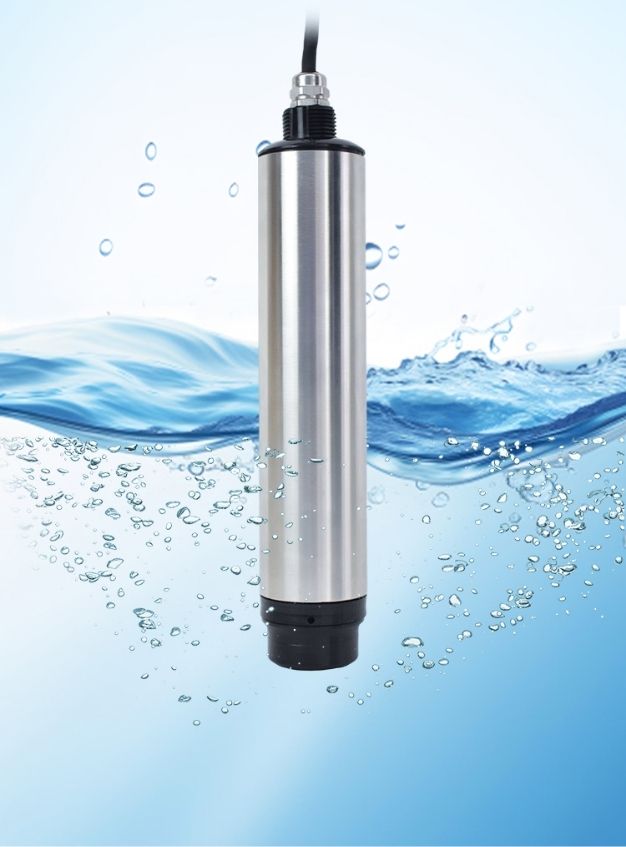
An optical dissolved oxygen sensor operates without consuming oxygen during measurement. The sensor cap contains a luminescent dye that glows red when exposed to blue light. Oxygen interferes with this dye’s luminescent properties through an effect called “quenching”. A photodiode compares the quenched luminescence to a reference reading and calculates dissolved oxygen concentration.
This technology measures changes in both the intensity and luminescence’s lifetime. Lifetime-based measurements offer superior long-term stability. The presence of oxygen causes changes quantified by the Stern-Volmer equation. Optical sensors don’t consume oxygen, so they exhibit no flow dependence and require no minimum inflow velocity. Field tests demonstrate accuracy like galvanic sensors across measurement values from about 1mg/L up to 14mg/L.
Polarographic dissolved oxygen sensor basics
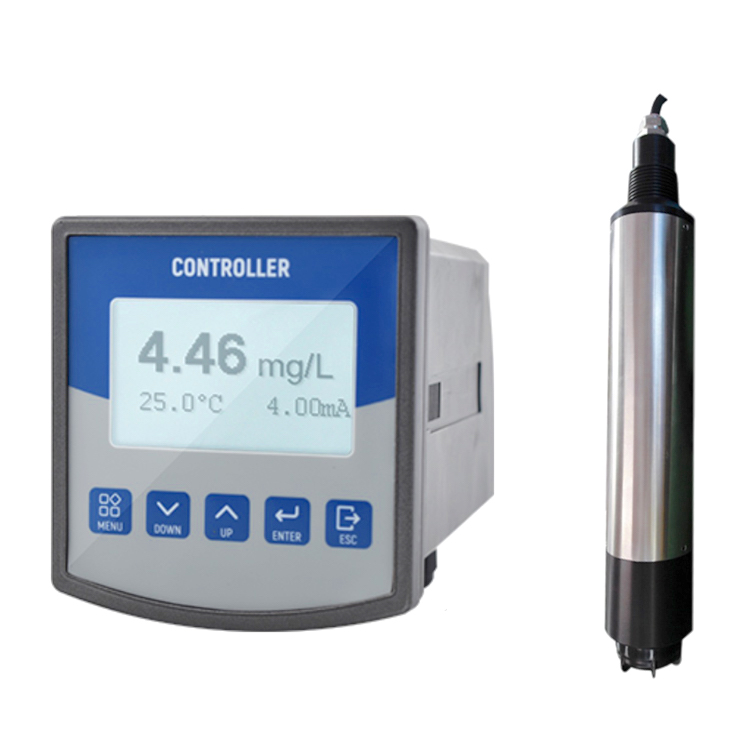
Polarographic dissolved oxygen sensor systems use electrochemistry to measure. The sensor consists of a cathode (platinum or gold) and an anode (silver or silver chloride) immersed in an electrolyte solution. A gas-permeable membrane separates these components from the sample. Oxygen diffuses through the membrane and undergoes reduction at the cathode when voltage is applied. This generates current proportional to oxygen concentration.
A polarographic dissolved oxygen sensor requires constant voltage application between the anode and cathode. This creates a warm-up period of 5-15 minutes before you can use the sensor. Temperature influences measurement accuracy by a lot, though most probes include built-in temperature compensation.
Amperometric dissolved oxygen sensor systems
Amperometric dissolved oxygen sensor technology represents another term for electrochemical or Clark-type sensors. These sensors feature an anode and cathode surrounded by electrolytic solution contained in a plastic or glass body. A thin membrane on the electrode tip exposes the cathode to samples and allows oxygen to diffuse at rates proportional to partial pressure.
Galvanic sensor construction
Galvanic sensors use dissimilar metals that create their own potential difference. The anode consists of zinc or lead, while the cathode uses silver. This material selection enables self-polarization and allows galvanic sensors to function right after calibration without warm-up time. Polarographic models differ because the potential difference between anode and cathode must exceed 0.5V to reduce oxygen without external voltage.
Key factors for selecting the right dissolved oxygen sensor probe
Selection criteria extend beyond sensor technology to include operational requirements that determine long-term performance and cost-effectiveness.
Measurement range requirements
Standard dissolved oxygen sensor models measure 0-20mg/L, suitable for most aquaculture and environmental applications. Processes that involve oxygen supersaturation through ozone injection or similar methods just need sensors capable of measuring up to 60mg/L or 600% saturation. Some applications require extended ranges beyond 200% air saturation.
Response time needs
Response time affects sampling efficiency. Optical dissolved oxygen sensor systems achieve 95% of final readings in 40 seconds. Galvanic and polarographic sensors respond faster, with certain membranes reaching 95% accuracy in 8 seconds. We measured one sensor achieving 90% response in under 45 seconds and 95% in under 60 seconds. Sample stirring can reduce optical sensor response times to 22 seconds.
Maintenance capabilities
Optical dissolved oxygen sensor technology requires minimal maintenance, with sensing caps lasting one to three years. Electrochemical sensors just need membrane changes every 2-8 weeks depending on application. Electrode cleaning occurs about once a year. Polarographic sensors need membrane replacement every 1-2 runs in cell culture applications.
Environmental conditions
Operating temperatures span -5°C to 50°C for most sensors. IP68-rated probes withstand long-term submersion, while IP65 models resist splashing. Cable lengths vary from 10 feet to 100 meters depending on instrument configuration.
Calibration frequency
Optical sensors hold calibration longer and come factory-calibrated for at least one year of stable operation. Electrochemical sensors require daily calibration verification. Calibration should occur before each use in critical compliance applications.
Application-specific sensor selection guidance
Different industries just need specific sensor characteristics based on operational environments and measurement objectives.
Aquaculture and fish farming systems
Dissolved oxygen crashes in aquaculture kill fish within minutes. Sensor selection becomes critical for stock survival. Most fish species thrive within 5-12 mg/L, but requirements vary by a lot by species. Trout need minimum levels of 6.0 mg/L and salmon require 7.0 mg/L, while tilapia tolerates 3.0 mg/L. Shrimp operations face tighter margins with only 2.7 mg/L of headroom between saturation and lethal levels in saltwater environments.
Optical dissolved oxygen sensor technology eliminates flow dependency and provides accurate readings in still ponds and fast-flowing raceways alike. Response times under 60 seconds enable rapid detection of dangerous fluctuations. Titanium housing prevents chloride-induced corrosion for saltwater operations, while polyethylene construction is enough for freshwater systems. Continuous monitoring with automatic temperature compensation becomes necessary as warm water holds far less oxygen than cold water.
Wastewater treatment facilities
Secondary treatment requires maintaining 2 mg/L dissolved oxygen to keep aerobic bacteria alive in biological floc. Aeration processes consume 30 to 60 percent of total facility power and make precise DO control tied to operational costs. We’ve observed plants reduce energy consumption by 50 percent through automated dissolved oxygen sensor monitoring systems.
Sensors in wastewater environments need automatic cleaning systems as biofilm coating stops all measurement technologies. Weekly cleaning schedules extend to three months with airblast systems.
Industrial process monitoring
Cell culture and fermentation applications employ both optical and polarographic dissolved oxygen sensor models. Optical sensors reduce calibration frequency in bioprocessing environments, while polarographic models suit applications tolerating higher maintenance.
Drinking water quality testing
Healthy drinking water maintains 6.5-8.0 mg/L dissolved oxygen concentration. Digital dissolved oxygen sensor systems provide ppb-level detection limits for brewing and pure water applications. Predictive diagnostics indicate replacement needs days in advance.
Evaluating sensor performance and reliability
Performance specifications determine whether a dissolved oxygen sensor probe meets operational requirements and justifies investment costs.
Accuracy specifications
Optical dissolved oxygen sensor models achieve ±0.1 mg/L accuracy from 0-20 mg/L. Industrial sensors deliver ±2% reading accuracy or 0.1 μg/L precision, whichever proves greater. Polarographic dissolved oxygen sensor systems maintain 1% accuracy or ±1 ppb up to 20 ppb ranges. Sensors achieve 0.1 mg/L or 1 percent accuracy once calibrated under controlled conditions.
Long-term stability
Optical sensors maintain calibration over extended deployments with minimal drift if kept clean. Field drift rates remain below 0.5% over 1,000 hours of ventilated operation. Electrochemical sensors demonstrate drift confined to linear slope changes that single reference points can correct. Recommend factory servicing once calibration corrections exceed 15-20% of original values.
Sensor life expectancy
Optical dissolved oxygen sensor technology lasts 6+ years, with sensor tip replacement needed after 5+ years. Polarographic sensors require rebuilding every two years under continuous use. Their lifespan decreases at elevated temperatures. Galvanic sensors last 3-5 years with proper maintenance.
Conclusion
The right dissolved oxygen sensor protects your investment and prevents operational failures. Match sensor technology to your specific application requirements. Think about response times and environmental conditions. Optical sensors offer long-term stability for aquaculture and remote monitoring. Electrochemical models provide budget-friendly options for controlled environments.
Start by defining your measurement range and accuracy needs. Review total ownership costs rather than just acquisition prices. Proper selection will achieve reliable monitoring results that justify the investment.