Environmental monitoring systems play a vital role in protecting network infrastructure, especially at remote equipment sites where harsh conditions can quickly damage expensive equipment. Unchecked temperature changes, humidity issues, or water leaks lead to devastating consequences.
Data center environmental monitoring demands proper environmental conditions. Small temperature changes need immediate action. Remote sites like mountaintops need environment sensor monitoring through Ethernet, 4G, or WIFI connections to provide live access to critical environmental data.
This piece explores how Network Collectors enable complete remote monitoring, available sensor types, and ways these systems protect your valuable infrastructure from environmental threats.
Understanding Remote Environmental Monitoring
Remote environmental monitoring plays a key role in modern infrastructure management. It acts as a silent guardian for critical systems that businesses depend on. Knowing how to detect and respond to environmental threats before damage occurs has changed the way organizations protect their valuable equipment.
What is environment sensor remote monitoring?
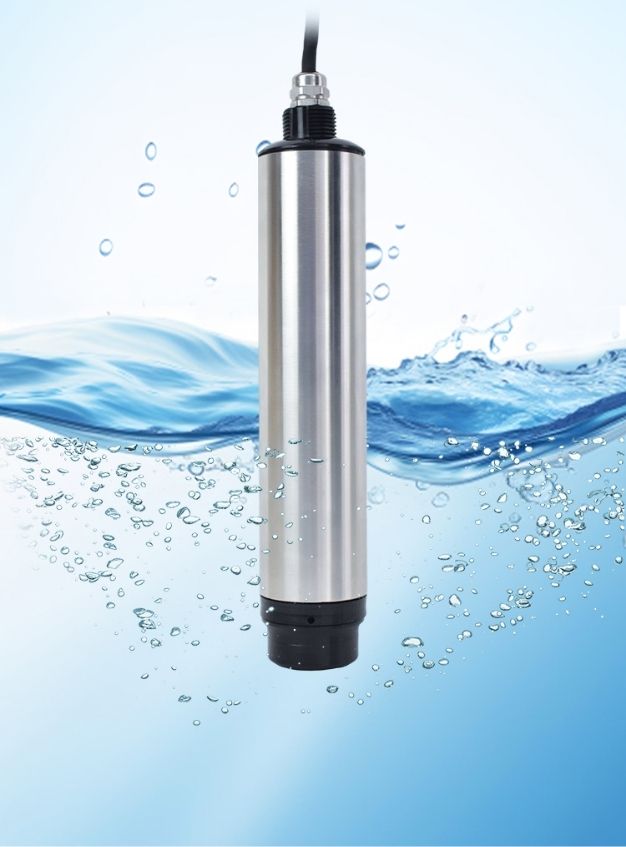
Modern IoT environmental sensors demonstrate remarkable versatility. To cite an instance, environmental sensor stations monitor multiple parameters simultaneously, including groundwater levels, temperature, humidity, and water quality with immediate updates. Compact network environmental sensor solutions measure up to seven different weather parameters without moving parts. This design makes them maintenance-free with extended longevity.
Environment sensor remote monitoring includes advanced web-connected devices placed at strategic points within target environments or equipment. These systems measure, record, and send collected data to a centralized location—usually a server database or cloud storage service.
Remote monitoring uses sensors to track conditions and event status without manual intervention. The technology lets you track, see, and control facilities and environmental conditions without staff at the site. This works through a combination of data loggers, transmitters, wireless networks, and data analysis platforms.
Today’s environmental monitoring systems can track many parameters at once. Sensors typically monitor conditions like:
- Temperature variations
- Humidity levels
- Water presence or leaks
- Airflow disruptions
- Power fluctuations or failures
- Gas levels including CO2 and VOCs
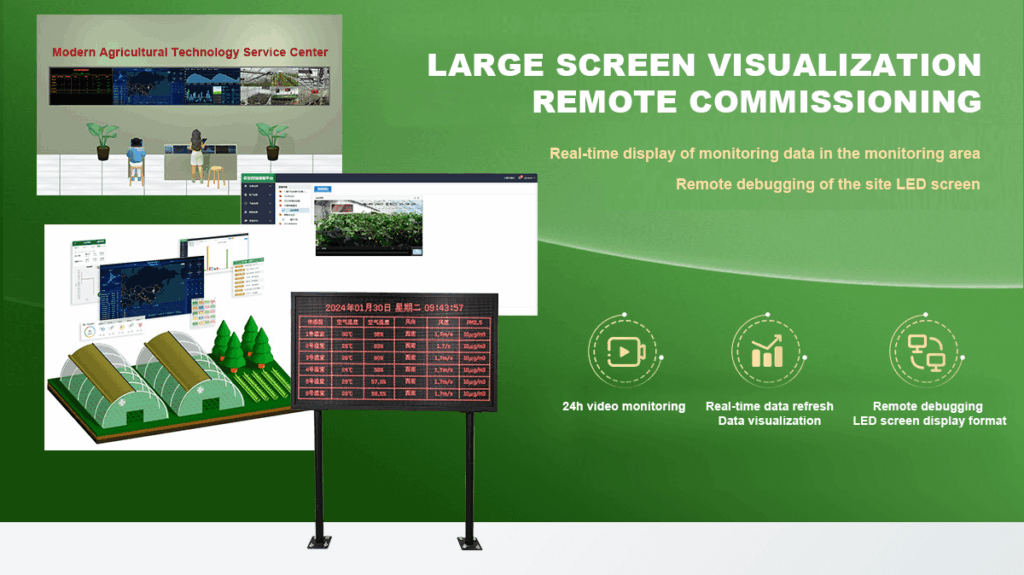
The collected data is available remotely through easy-to-use interfaces. Stakeholders can view environmental conditions in real-time from any internet-connected device. The systems can also send immediate alerts when measurements go outside safe parameters.
Why remote monitoring is essential for data centers and remote sites
Environmental monitoring isn’t just convenient for data centers and remote sites—it’s significant for keeping operations running. Environmental threats can cause more damage than hardware or software problems. A server room that overheats or floods can make redundant hardware, backup tapes, and UPS battery arrays useless.
Data center monitoring has become essential for several good reasons:
Preventing equipment failure: IoT sensors monitor temperature, humidity, airflow, and other factors to keep environmental conditions within safe ranges. This helps equipment operate safely. The monitoring identifies hotspots, directs cooling where needed, and confirms cooling optimization efforts.
Optimizing operational costs: Cooling costs make up one of the biggest expenses in data center operation. Environmental monitoring can reduce these expenses by a lot. The temperature can be raised by just one degree to reduce energy costs by 3-5%.
Enabling 24/7 oversight: Remote monitoring proves valuable especially when staff isn’t around to fix problems. These systems provide constant alertness and respond to problems whatever the time.
Ensuring regulatory compliance: Many industries face fines from state or local regulators if sites stop working during unplanned shutdowns. Many colocation providers must also maintain specific environmental conditions for their customers. This usually needs rack-level temperature monitoring with documentation to show compliance.
Supporting remote workforce: Data center performance can be managed and improved wherever workers are located through continuous monitoring. IT teams stay informed about application demand levels and can quickly fix any problems.
Organizations must monitor conditions and detect problems quickly and consistently in today’s competitive and regulated business environment. Knowing when conditions might exceed safe parameters brings clear financial, reputational, and organizational benefits. This makes remote environmental monitoring systems an essential investment for modern infrastructure.
How Network Collectors Enable Remote Monitoring
Network collectors act as the foundation of modern environmental monitoring systems. They create a bridge between physical infrastructure and digital management platforms. These devices support multiple connection types that let organizations monitor almost any location.
Role of Ethernet/4G/WIFI Network Collectors
Network collectors link field sensors to central monitoring systems. They transform serial data from environmental sensors into IP data for network transmission. Modern collectors use high-performance industrial-grade processors and memory components. This hardware ensures stable data processing even under challenging conditions.
These collectors feature a physical design made for harsh environments. Their sturdy casings and heat dissipation systems help them work reliably where standard IT equipment fails. Advanced security encryption technology protects data integrity during transmission.
Each collector type brings unique benefits:
- Ethernet collectors give reliable, high-speed connections when permanent installations have existing network infrastructure
- 4G collectors make monitoring possible in remote areas without fixed internet
- WIFI collectors work best where running cables isn’t practical but wireless networks exist
How data is transmitted from sensors to central systems
Environmental data starts its path at the sensor level. Devices track parameters like temperature, humidity, water presence, and air quality continuously. Raw data moves to the network collector through serial ports or direct connections.
The collector processes and packages the information before sending it to remote monitoring centers. Security measures protect the information from unauthorized access. Data encryption and authentication play a key role during this phase.
These collectors support many communication protocols, including TCP/IP and UDP. This flexibility lets them adapt to different network environments. Data reaches the central system reliably whatever infrastructure exists. Specialized monitoring software shows the information through an easy-to-use display that aids quick understanding of environmental conditions.
Benefits of using network collectors for remote access
Network collectors bring several operational advantages. They enable real-time data transmission with quick response capabilities. This improves monitoring efficiency by a lot. Teams can see environmental conditions instantly without going on-site.
Smart algorithms in advanced collectors analyze data patterns. Organizations can optimize their operations, boost equipment performance, and lower energy use.
These collectors excel at spotting problems early. They identify potential equipment issues or environmental concerns before they get pricey. Warning messages go straight to management through remote monitoring platforms when problems arise.
The ability to configure and fix field devices remotely stands out as a key benefit. This feature cuts down on-site visits. Teams save time and maintenance costs while keeping equipment running longer. Security protection functions spot and stop network attacks. Only authorized staff can access sensitive systems.
Network collectors have become vital tools to protect critical infrastructure from environmental threats.
Connecting Sensors to Network Collectors
Network collectors need proper communication methods and compatibility requirements to connect with environmental sensors. Your specific monitoring needs determine which connectivity option works best.

Environment sensor remote monitoring through Ethernet
Environmental monitoring systems work best with Ethernet connectivity due to its reliable connection. Power over Ethernet (PoE) technology uses a single cable to power sensors and transmit data, which saves space in server rooms and data centers. Users can view immediate environmental data through web pages served by Ethernet-connected sensors without special software—a standard web browser is enough. Ethernet sensors support multiple communication protocols like ModbusTCP, SNMPv1, and SOAP for industrial-grade monitoring needs.
Environment sensor remote monitoring through 4G
Remote environmental monitoring has transformed with 4G LTE cellular modems that collect data from places without fixed internet infrastructure. These systems deliver high-speed transmission rates that ensure quick and accurate data delivery to back-end systems. Sensors maintain stable transmission in remote areas or complex environments thanks to extensive 4G network coverage. The budget-friendly nature of 4G monitoring stands out—its compact design and easy installation remove the need for complex wiring and setup.
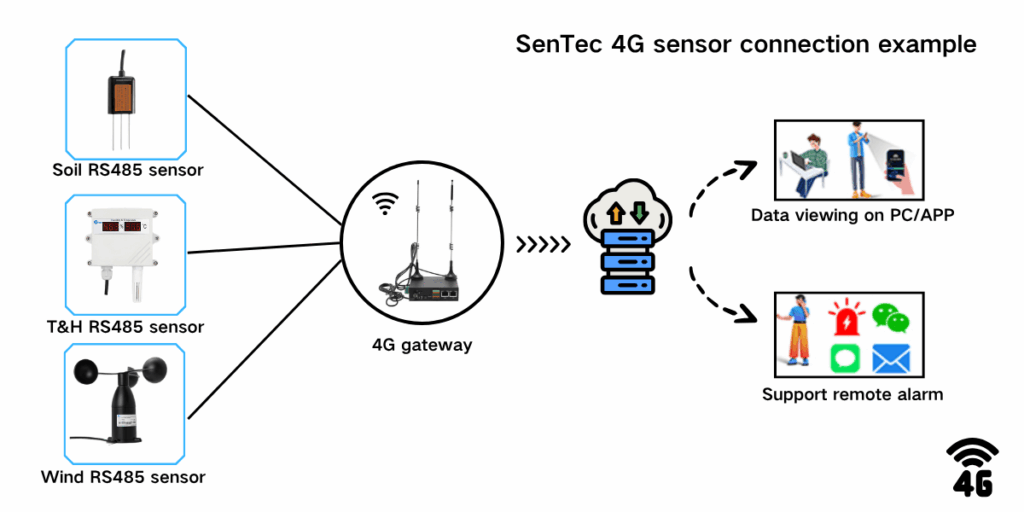
In this connetion example, the RS485 sensor connect to the gateway by the cable wire and a SIM card was put inside the gateway to upload the data to cloud. For the data reading, it should be based on the server, 4G network and reading platform webpage or app etc.
In the application of 4G environmental sensors, in addition to the connection demonstration above, another typical and simple connection application is to use the 4G environmental sensor with a built-in SIM card to directly upload data to the cloud server.
For example, in the multi-layer soil monitoring solution below, a 4G SIM card is built into the SenTec SEM2254 multi-layer soil monitoring sensor.
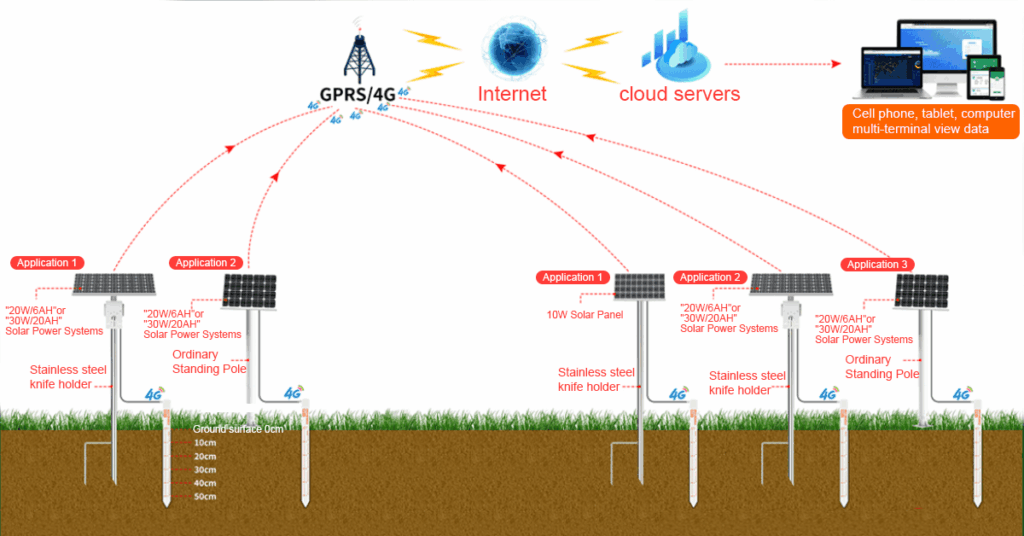
However, this solution has specific sensor design requirements, so it’s not currently a universal solution and is limited to environmental sensors that can accommodate a built-in 4G SIM card.
Environment sensor remote monitoring through WIFI
WIFI connectivity strikes the right balance between flexible installation and data transmission abilities. WiFi technology helps collect environmental parameters by enabling wireless communication between sensors and host computers. These WIFI sensors work continuously in tough outdoor conditions and perform better than traditional monitoring methods. The sensors need to stay within range of existing wireless networks.
Analog vs digital sensor compatibility
Your network collector’s compatibility plays a vital role in sensor selection. Digital sensors that work with digital I/O pins operate between two voltage states, making them perfect for projects that need binary outputs. Analog sensors connect to analog I/O pins and create continuous signals that suit applications needing variable measurements better.
Power and data requirements for sensor integration
Remote monitoring systems face power management challenges. Sensors often use stored power (batteries) or solar energy in places with limited resources. A clear relationship exists between measurement frequency and energy use—less frequent measurements mean longer battery life. Advanced models come with built-in rechargeable batteries that last up to two weeks without external power.
Applications Across Industries
Environment sensor 4G/WIFI/Ethernet remote monitoring networks have changed environmental monitoring in a variety of sectors. These connected systems give critical data that changes how multiple industries operate and make decisions.
Smart cities and air quality control
Cities now use 4G/WIFI/Ethernet remote monitoring networks-connected air quality monitors to measure pollutants like CO2, particulate matter (PM2.5 and PM10), ozone, and nitrogen dioxide live. The systems help municipalities spot pollution spikes quickly and take action to fix them, which leads to better public health outcomes.
Agriculture: soil, moisture, and crop health
Farmers use 4G/WIFI/Ethernet remote monitoring networks environmental sensors to track soil moisture, temperature, and electrical conductivity. This enables precision irrigation and cuts down water waste. The agricultural IoT systems have turned crop monitoring from experience-based tasks into data-backed operations. Farmers now get soil data readings every hour on their mobile devices, which helps them plan fertilization better and grow more crops.
Industrial wastewater and emissions monitoring
Industries use 4G/WIFI/Ethernet remote monitoring networks-enabled sensors to keep track of wastewater flow, treatment equipment operation times, and emissions levels. These systems send important data about water quality and equipment status to central monitoring platforms. This allows teams to manage and maintain everything remotely.
Disaster prevention: flood and fire alerts
4G/WIFI/Ethernet remote monitoring networks sensor networks warn about environmental disasters through real-time monitoring of rainfall, river levels, and water flow rates. This helps authorities send evacuation alerts at the right time when levels get too high, which cuts down potential damage by a lot and keeps communities safe.
Conclusion
Environmental monitoring systems protect critical infrastructure in industries of all types. Ethernet, 4G, and WIFI Network Collectors are the foundations of remote monitoring solutions that work. These technologies let you watch vital environmental factors without someone always being at remote sites.
The systems’ biggest advantage is spotting threats before they cause damage. A small problem like temperature changes, water leaks, unauthorized access, or poor air quality can turn into catastrophic failures. These failures could cost hundreds of thousands of dollars per minute. You need detailed monitoring to protect your valuable equipment.
Modern monitoring solutions are versatile. Your infrastructure gets continuous protection whether it sits in urban data centers or on remote mountaintops. The sensors now offer exceptional accuracy and need little maintenance. Some batteries even last up to ten years.
Companies that welcome environmental monitoring see benefits beyond equipment protection. They spend less on operations through better energy usage. Their teams can handle problems before they happen instead of after. This improves business continuity and cuts maintenance costs.
Environmental monitoring will become more sophisticated and blend into infrastructure management. These technologies are worth the investment for any organization that depends on network infrastructure. They give you peace of mind that your critical systems are protected against environmental threats, whatever their location.