WORKING PRINCIPLE
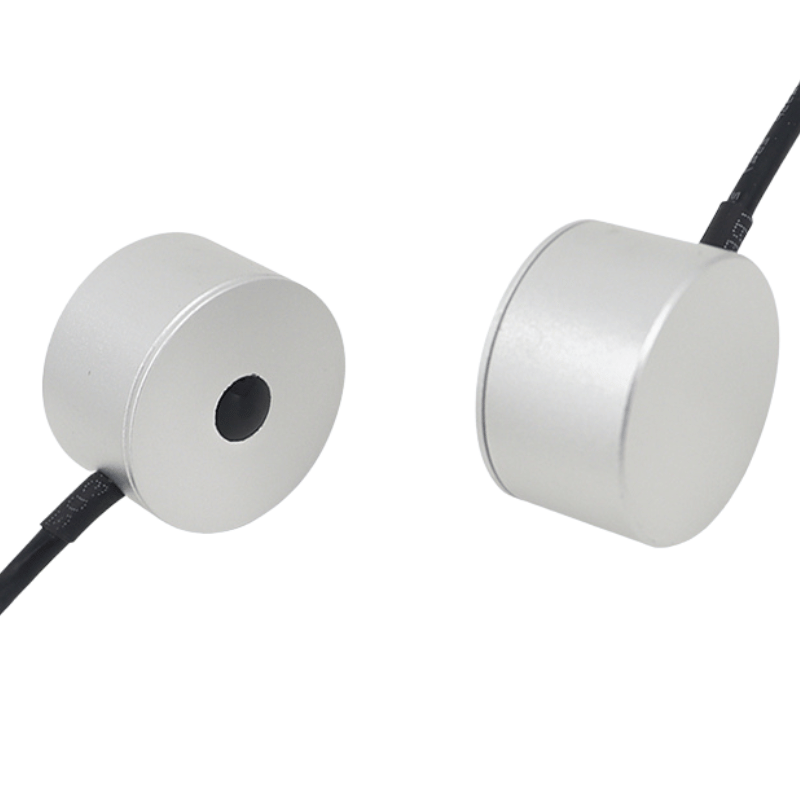
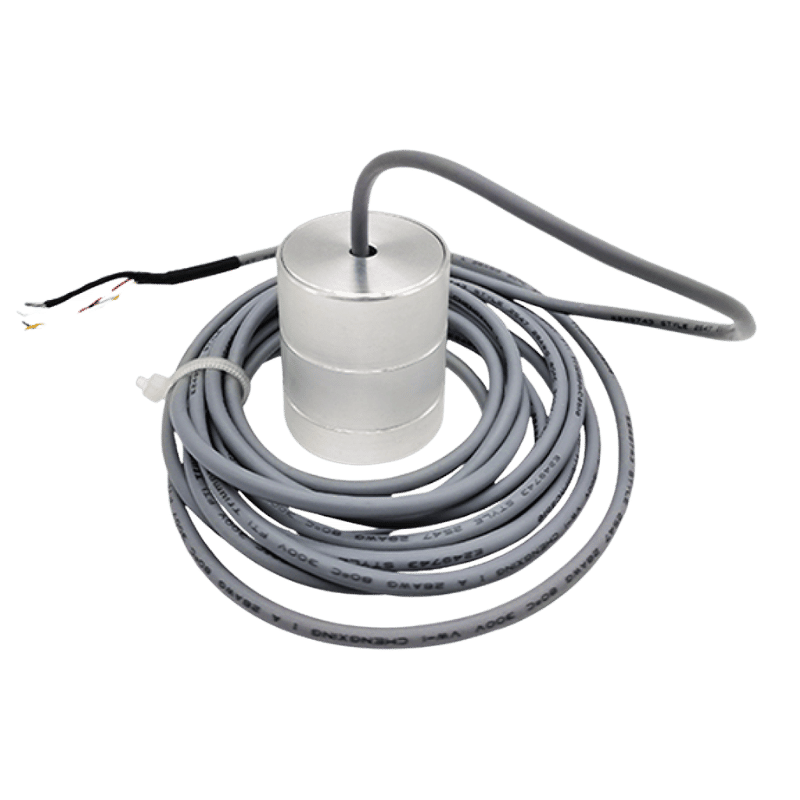
SUU330 External-Mount Ultrasonic Level Sensor Ultrasound is emitted from the sensor surface, and during propagation, it encounters interfaces between different media or encounters obstacles within the same medium, causing reflections and being detected by the sensor.
Because the circuit knows when to transmit, and also knows the reception time.
So, the calculation method for the distance from the ultrasonic wave to the intersection interface, or the distance to the obstacle, is:
Distance = Propagation time x Speed of sound in the medium÷2
The unit of distance is meters, abbreviated as m;
The unit for the speed of sound is meters per second, abbreviated as m/s;
The unit of propagation time is seconds, abbreviated as s;
Because the speed of sound in liquids or solids is directly related to temperature, temperature compensation is needed at specific sites to determine the exact speed of sound in meters per second based on different temperatures.
APPLICATION
① Liquid:
It requires a liquid that is not corrosive to aluminum or aluminum alloys and can effectively conduct ultrasonic waves.
Types of liquids unsuitable for conducting ultrasound:
(1) Liquids with bubble content exceeding 0.1%;
(2) Liquids with solid particulate matter content exceeding 0.1%;
(3) Liquids with suspended solids content exceeding 1%.
The above “unsuitable for conducting ultrasound” liquids applies only to this product. Replacing with a larger ultrasonic underwater distance sensor allows measurement in liquids with slightly more bubbles, solid particles, and suspended solids.
② Solids:
It requires solids that are not corrosive to aluminum or aluminum alloys, and can effectively conduct ultrasonic waves; the solid must be dense and free of bubbles.
Types of solids unsuitable for conducting ultrasound:
(1) Solids containing bubbles;
(2) Solids containing solid particles or fibers;
(3) Solid with lining and interlayer.
In the following solids, the sensor cannot measure the normal internal liquid height through the solid section.
For example: fiberglass, PE, enamel, metal cans with rubber linings, metal cans with anti-corrosion coatings, metal cans with PTFE linings, and metal cans with wear-resistant linings.
V. Applications
1. Measuring fuel tank levels in RVs
2. Measuring fuel tank levels in trains
3. Measuring piston distance
4. Measuring piston pump cycles
5. Measuring liquid levels in beer tanks
6. Measuring water levels in domestic water tanks
7. Measuring liquid levels in LPG tanks
8. Measuring liquid levels in petroleum gas tanks
9. Measuring liquid levels in edible oil tanker trucks
10. Measuring liquid levels in chemical tanker trucks
11. Measuring water levels in sanitation sprinkler trucks
12. Measuring water levels at the bottom of crude oil tanks
13. Measuring water levels in swimming pools
14. Measuring oil-water interfaces
15. Measuring ice thickness