WORKING PRINCIPLE
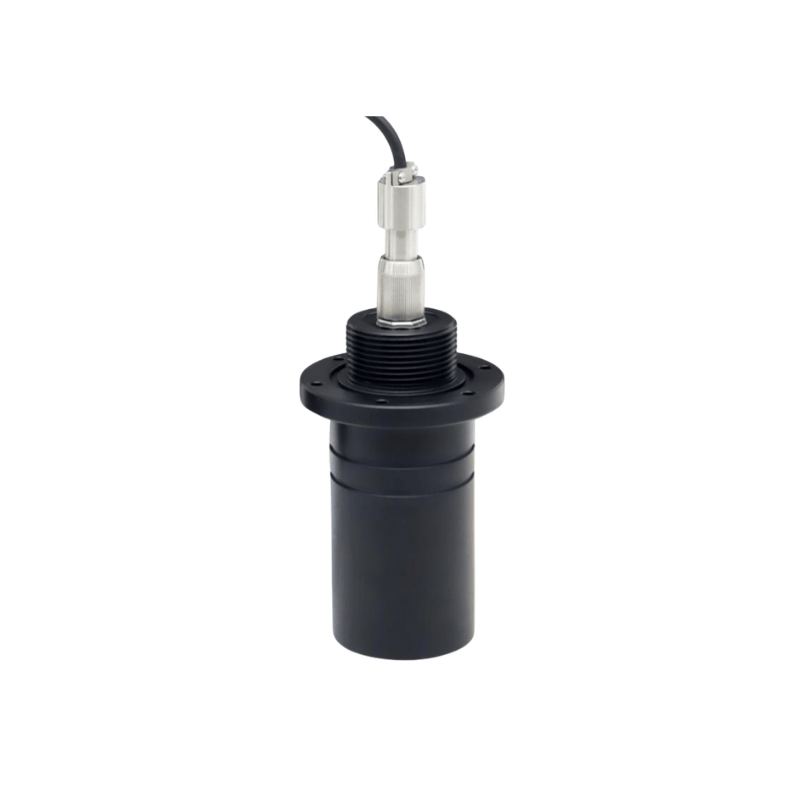
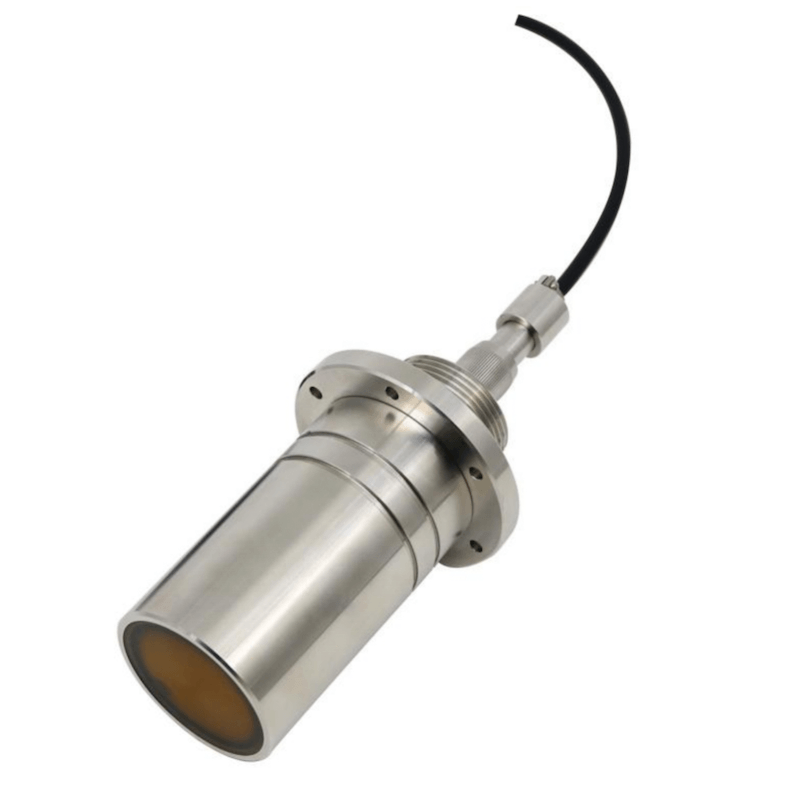
The SUU500 underwater obstacle avoidance sensor emits ultrasonic waves. When these ultrasonic waves propagate, they are reflected when they encounter the interface between different media or obstacles within the same medium, and are then received by the sensor.
Because the circuit knows when it transmits and when it receives the signal.
The method for calculating the distance of the ultrasonic wave to the interface, or to the obstacle, is as follows:
The unit of distance is the meter, abbreviated as m;
The unit of sound speed is meters per second, abbreviated as m/s;
The unit of transmission time is the second, abbreviated as s;
Because the speed of sound in liquids or solids is directly related to temperature, temperature compensation is required in specific environments to determine the specific speed of sound in meters per second based on different temperatures.
APPLICATION
1.liquid:
The sensor comes in three housing materials: ABS, 304 stainless steel, and 316 stainless steel.
The liquid must be non-corrosive to these three shell materials and be capable of effectively transmitting ultrasonic waves.
Liquids unsuitable for transmitting ultrasound:
① Liquids with a bubble content exceeding 0.1%;
② Liquids with a solid particulate matter content exceeding 0.1%;
③ Liquids with a suspended solids content exceeding 1%.
The liquids mentioned above that are “unsuitable for transmitting ultrasonic waves” only apply to this product. Replacing it with a larger-sized ultrasonic underwater ranging sensor will allow for measurements in liquids with a higher concentration of bubbles, solid particles, and suspended matter.
2.solid:
The solid material must be non-corrosive to these three shell materials, be able to effectively conduct ultrasonic waves, and be dense without air bubbles.
Types of solids unsuitable for transmitting ultrasound:
① Solids containing air bubbles;
② Solids containing solid particles or fibers;
③ A solid with a lining or interlayer.
In the following solids, the sensor cannot properly measure the liquid level inside through the solid.
For example: fiberglass, PE, enamel, metal cans with rubber lining, metal cans with anti-corrosion coating, metal cans with PTFE lining, metal cans with wear-resistant lining, etc.