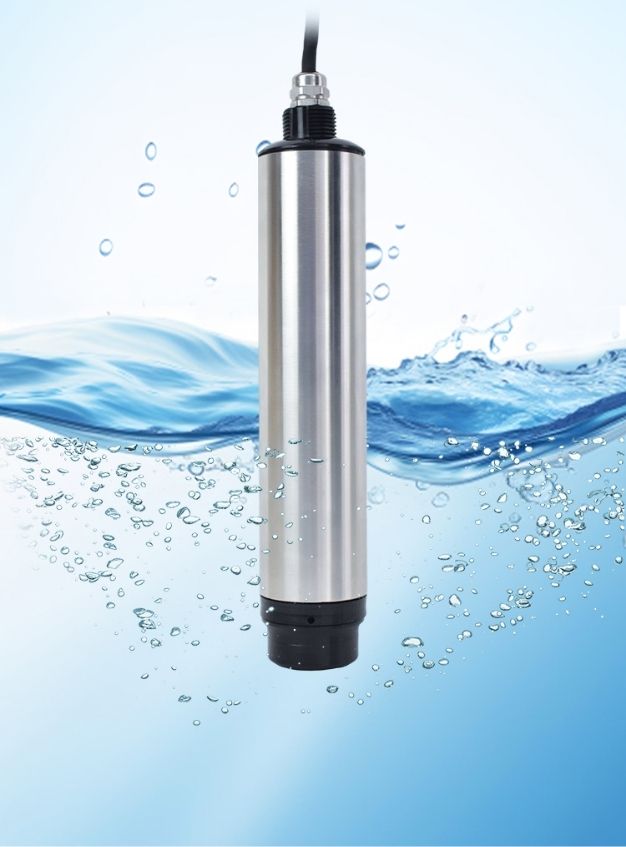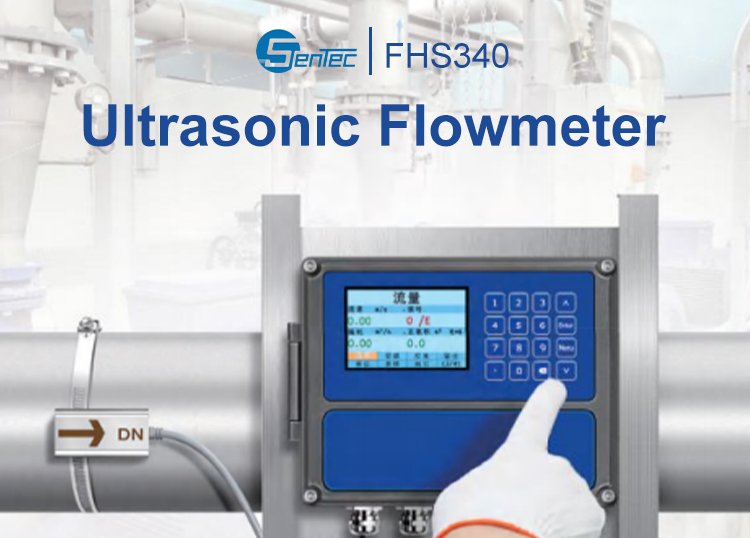

Ultrasonic level sensors are changing the way we handle water management systems. These devices deliver impressive accuracy up to ±1% or better with resolution as fine as 1mm. The industrial world first embraced them in the mid-1950s, and now they monitor liquid levels in sectors of all types.
These sensors stand out because they can measure without contact. This key feature lets users accurately track corrosive or hot liquids without contamination risks or sensor damage. The sensors provide up-to-the-minute data, which makes them essential for modern applications. This piece explores how ultrasonic level sensors use sound waves to achieve remarkable precision. They maintain accuracy levels of ±3mm in many environmental applications. You’ll also learn how they compare to conventional measurement techniques to help you choose if ultrasonic liquid level sensors fit your water management needs.
Understanding Traditional Water Level Measurement Methods
Let’s get into ultrasonic technologies by first looking at the conventional methods used for water level monitoring. Each traditional approach has its own operating principles and uses, but they come with built-in limitations that newer technologies have improved upon.
Float-based sensors
Float level sensors are among the oldest and most accessible water measurement technologies around. These mechanical devices work on a simple principle – a buoyant float moves along with the liquid surface and turns vertical movement into electrical signals. The float usually has a magnetic component that triggers reed switches as water levels shift.
Float sensors are popular because they’re mechanically simple and reliable. They need minimal technical know-how to set up and fix, which makes them economical solutions for simple applications. They also give direct measurements no matter what the liquid’s conductivity or dielectric properties are.
But these mechanical benefits have their downsides. The moving parts can wear out, particularly in harsh or corrosive environments. These sensors also don’t deal very well with accuracy in turbulent conditions or when measuring thick, viscous liquids.
Pressure transducers
Pressure transducers figure out water levels by measuring the hydrostatic pressure from the liquid column. These devices turn this pressure into an electrical signal that matches the water depth. Modern pressure sensors often use flexible silicon diaphragms between water and the sensing element, which gives them great linearity and low hysteresis.
Many pressure transducers come in submersible designs with automatic barometric compensation through vent cables. Their output signals (typically 4-20mA) can send reliable data up to 3,000 feet from where they’re measuring.
The link between pressure and water depth follows the equation p = ρgh, where p is pressure, ρ is water density, g is gravitational acceleration, and h is water depth. This relationship helps convert pressure readings into water levels accurately.
Capacitive and conductive sensors
Capacitive level sensors work based on capacitance—a system’s ability to store electrical charge. These sensors usually have two electrodes that form a capacitor, and the liquid acts as the dielectric material between them. The capacitance changes in proportion to the rising liquid level, which allows precise measurement.
Capacitive sensors’ biggest advantage is their solid-state design without moving parts, which means less maintenance and a longer life. They work with both conductive and non-conductive liquids and can even measure through non-metallic container walls.
Conductive sensors use multiple electrodes placed at different heights in a container. The liquid creates a conductive path that completes an electrical circuit when it touches these electrodes. This straightforward principle makes them great for point-level detection in many industrial uses.
Common limitations in traditional systems
Traditional measurement methods share several problems despite being widely used. Mechanical systems like float switches often run into issues with sticky substances, coating buildup, and moving parts that get stuck or wear down over time.
Pressure transducers need exact density values since changes in fluid makeup affect their accuracy. Regular calibration is also needed to keep them precise.
Capacitive sensors are versatile but can have problems with material buildup on electrodes and thick, viscous liquids. Conductive sensors only work with electrically conductive liquids, which limits where they can be used.
These traditional methods also need direct contact with the measured liquid, which creates possible contamination risks and maintenance challenges when working with corrosive or dangerous materials. These limitations ended up driving the development of non-contact measurement technologies like ultrasonic level sensors.
How Do Ultrasonic Level Sensors Work?
Ultrasonic level sensors work on a simple yet clever principle that has changed how we measure water and liquid levels. These devices show their brilliance in both their core functions and their ability to handle environmental challenges.
Basic principle of time-of-flight
These sensors use sound waves that move at specific speeds through air. A transducer mounted above the liquid sends out high-frequency ultrasonic pulses (typically above 20 kHz, beyond human hearing range). The sound waves travel through the air gap until they hit the liquid surface, bounce back and return to the sensor.
The measurement depends on the time-of-flight principle. The sensor measures how long the sound wave takes to complete its trip. This travel time relates to the distance between the sensor and the liquid surface. The calculation follows this formula:
Distance = (Speed of Sound × Time) ÷ 2
The division by two accounts for the round-trip nature of the measurement (to the target and back). The sensor then subtracts this distance from the known tank height to find the actual liquid level.
Non-contact measurement explained
These sensors never touch what they measure—a key advantage in many uses. This non-contact method keeps the sensor safe from corrosive, abrasive, or dangerous materials.
The sensor measures through air, which helps monitor:
Corrosive chemicals without sensor degradation
Hot liquids without temperature damage
Clean processes without contamination risks
Viscous materials without clogging issues
These sensors work without maintenance even with tough substances like pastes, sludges, and aggressive media. Their self-cleaning vibrating diaphragms need less maintenance by stopping buildup that could affect readings.
Temperature and environmental compensation
Environmental factors can affect measurement accuracy since sound waves move through air. The speed of sound in air changes with temperature—about 0.6 m/s for every 1°C temperature change.
Quality ultrasonic sensors include built-in temperature compensation systems. These systems have:
Internal temperature sensors that watch ambient conditions
Microprocessors that recalculate sound velocity based on current temperature
Algorithms that adjust measurements
Humidity, air pressure, and turbulence can also affect ultrasonic level sensing. At room temperature and lower, humidity barely changes sound speed. Air pressure changes don’t matter much either, with altitude changes from sea level to 3,000 meters reducing sound speed by less than 1%.
Integration with digital systems
Today’s ultrasonic level sensors do more than measure—they’re vital parts of complete monitoring systems. These devices talk to control systems through standard outputs like 4-20mA current signals or digital protocols.
Modern sensors offer:
Live remote monitoring via web browsers or mobile devices
Automated control of related equipment like pumps and valves
Merger with SCADA systems or IoT platforms for complete management
Advanced diagnostics and troubleshooting capabilities
This connectivity makes ultrasonic level sensors essential to smart water management systems. These sensors can make logical decisions at the edge through microcontroller integration. They can handle conditional tasks even when central systems are down.
Ultrasonic Level Sensors vs Traditional Methods
A side-by-side comparison of measurement technologies reveals clear differences. Let’s get into how ultrasonic level sensors match up against traditional methods in five key areas.
Accuracy and reliability comparison
Ultrasonic level sensors provide exceptional precision. Top models can achieve accuracy levels of 0.1% to 0.2% of the detected range in controlled conditions. These sensors measure within millimeters, with resolution as fine as 1mm. Traditional float and dye markers offer accuracy ranges of ±1-5%, while mechanical gages range between ±0.5% to ±1%.
Tests in the field that compared ultrasonic sensors with pressure transducers showed stage differences between these technologies never went beyond 7%. Ultrasonic devices proved more dependable than mechanical methods during floods because debris often causes traditional equipment to fail.
Maintenance and durability
Traditional level sensors just need constant attention. Float systems require checks for mechanical wear, and contact-based methods need regular cleaning to prevent fouling. Yes, it is true that submersible pressure transducers require high maintenance and can suffer damage from lightning, flooding, or freezing temperatures.
Ultrasonic level sensors are nowhere near as demanding because of their non-contact design. Modern models come with automatic self-cleaning features that detect and remove condensation or buildup. This advancement eliminates failures from dust accumulation—a limitation that plagued earlier ultrasonic models.
Installation and setup complexity
We installed traditional level instruments, especially contact-based systems, through complex procedures that required direct contact with tanks or liquids. Float systems require intricate mounting inside tanks, and pressure transducers need specific positioning beneath liquid levels.
Ultrasonic sensors offer a simpler solution with minimal tank intrusion. You can mount them easily above the liquid without physical contact, which eliminates complex submersion arrangements. Their compact size makes them perfect for tight spaces.
Cost-effectiveness over time
Ultrasonic level sensors might cost more upfront than simple traditional methods. Notwithstanding that, they save money over time through:
Lower maintenance costs and less downtime
Longer operational life without replacing parts
No costs from sensor damage or contamination
Reduced labor for monitoring and maintenance
To name just one example, see how ultrasonic sensors are more affordable than radar alternatives, with industrial models costing $500-$5,000 compared to radar systems that can reach $50,000.
Suitability for different environments
Ultrasonic level sensors work best in clean, water-like environments but struggle with foam, vapor, and turbulence. Municipal water tanks, chemical storage of non-foaming liquids, and wastewater treatment facilities are their ideal settings.
Traditional methods show more versatility in specific cases. Conductive sensors excel with liquids that need point-level detection, and pressure transducers handle greater depths and pressures. Ultrasonic technology shows superior performance in harsh conditions, as seen in water plants with challenging environments.
Applications of Ultrasonic Liquid Level Sensors
Ultrasonic level sensors show amazing versatility in everything from urban infrastructure to environmental protection. These sensors’ ability to measure without contact makes them perfect for many more real-life applications.
Urban water supply and smart cities
Ultrasonic sensors monitor reservoir levels in municipal water systems. They provide continuous up-to-the-minute data analysis that helps manage water supplies during droughts or heavy rainfall. Smart systems use this information to control valves and gates based on current needs. Cities now use solar-powered monitoring systems with ultrasonic sensors that wake up at intervals to measure water levels in remote storage tanks. The data travels through long-range WiFi to base stations. This setup eliminates manual checks and supports preventive maintenance. Any unusual changes in water levels can signal potential system failures before they happen.
Wastewater and stormwater systems
Ultrasonic sensors shine at measuring levels in wet wells, rainwater basins, and chemical storage tanks at wastewater treatment plants. They are a vital tool for measuring inlet flow in open channel weirs or flumes—a key measurement in wastewater facilities. Plant operators can clean screens more effectively by placing two ultrasonic sensors—one upstream and one downstream of mechanical bar screens. This beats following fixed schedules. Cities use these sensors in flumes to measure stormwater runoff, which helps them evaluate their water retention programs.
Agriculture and irrigation
Modern farming depends on ultrasonic liquid level sensing to maintain exact water allocation—a significant tool to reduce food waste. Today’s automated irrigation systems use these sensors to measure levels in channels, canals, weirs, and gates. This new approach replaces old manual farm water control methods. Sediments or floating debris in irrigation water don’t affect their non-contact measurements. These sensors also track liquid feed in livestock systems and monitor grain levels in storage silos.
Industrial tanks and chemical storage
Ultrasonic sensors offer safe, non-contact level measurement for corrosive and sticky liquids like calcium, ferric, and aluminum chloride in chemical storage. Their reflective technology works even when humid conditions cause acoustic signal-attenuating condensation. These sensors excel at monitoring chemical tanks, diesel fuel storage, and harsh paper processing environments. They send level data to control systems that track inventory and trigger alarms when replenishment is needed.
Environmental monitoring
Ultrasonic water-level sensors have become reliable tools for flood monitoring, and their non-contact design needs less maintenance. Environmental monitoring networks often feature solar-powered sensors equipped with wireless communication that constantly send data from remote locations. Networks with hundreds of units line rivers and streams. They feed data into hydrological models that both public and emergency officials can access. Coastal communities benefit from sensors installed upstream that warn downstream residents about incoming floods.
Challenges and Considerations When Using Ultrasonic Sensors
Ultrasonic level sensors offer amazing benefits but they come with their share of limitations. You should understand these challenges to get the best performance in water management applications.
Foam, vapor, and turbulence
Foam creates one of the biggest problems for ultrasonic technology. These air-filled structures absorb sound energy and can completely block echo signals. Sound waves bounce multiple times when they hit foam. This confuses the sensor because uneven surfaces scatter waves in all directions.
Vapor can also seriously affect ultrasonic level measurement. Steam and vapor absorb the ultrasonic pulse energy and reduce the normal measurement distance. Chemicals that release vapors create layers of different air density. These layers make sound waves change their speed and travel time.
Turbulent liquid surfaces add more complications. The process of filling can create foam and waves that scatter signals randomly. Ripples on the surface make it hard to get accurate measurements because they redirect sound waves in unpredictable ways.
Obstructions and installation placement
The right placement is vital for ultrasonic sensor accuracy. You must keep the space under the sensor free from pipes, fittings, ladders, or walls. Most errors happen because of wrong mounting positions or too much vibration in certain spots.
Sensors must be placed at specific distances from each other to avoid false readings. Many manufacturers now provide synchronization modes that coordinate cycles between multiple sensors. This helps reduce the minimum spacing requirements and stops sensors from interfering with each other.
Environmental factors like temperature and humidity
Temperature has a big effect on ultrasonic measurement accuracy. It changes sound velocity by about 0.17% for each degree Celsius. A 20°C temperature change can cause errors up to 8.5cm at 100cm measurement distance if not adjusted.
Good quality ultrasonic sensors come with built-in temperature sensors that adjust calculations automatically. You might need extra temperature compensation accessories in places with extreme temperature changes.
Humidity affects sensors differently based on temperature. Room temperature humidity has minimal impact (0.036% per 10% relative humidity). But higher temperatures with increased humidity can cause condensation on sensor transducers. This might reduce effectiveness by weakening signals.
When traditional methods may still be preferred
Despite their benefits, some conditions work better with traditional measurement approaches than ultrasonic technology. Contact sensors that physically touch the liquid are often better for applications with lots of foam or dense vapors.
Guided wave radar often gives more reliable measurements for liquids that produce a lot of vapor. You might also need specialized solutions for environments with extreme temperature changes or constant turbulence.
Applications that need to measure through foam layers usually require different technologies because ultrasonic waves can’t penetrate these surfaces well. Pressure transducers or capacitive sensors often give more consistent results in these cases.
Conclusion
Ultrasonic level sensors are 30 years old tools that have revolutionized water management systems. These sensors measure without contact and work better than traditional methods, especially with corrosive or hazardous materials. The original cost might be higher than conventional systems. Their low maintenance needs and longer lifespan make them a budget-friendly choice in the long run.
Notwithstanding that, these advanced sensors have their limits. Foam, vapor, and turbulence can throw off readings. The right installation is vital to get the best performance. Temperature changes affect measurement accuracy too. Many modern models now come with built-in features to tackle this issue.
Traditional methods still work great in certain cases. Pressure transducers do better at greater depths. Conductive sensors excel with specific liquids that need point-level detection. Your specific needs will determine whether to pick ultrasonic technology or stick with conventional methods.
Picking water level measurement technology requires thinking over both current needs and future goals. Ultrasonic sensors really stand out when you need up-to-the-minute data, remote monitoring, and digital system integration. Their success in urban water supply, wastewater treatment, agriculture, industrial storage, and environmental monitoring shows how versatile and reliable they are.
Water management technology grows faster each day. Ultrasonic level sensors are a vital step forward. They offer unmatched accuracy and ease of use compared to older mechanical systems. Take time to review your specific needs, environmental conditions, and budget limits. The best choice comes from balancing technical capabilities with real-life application needs.