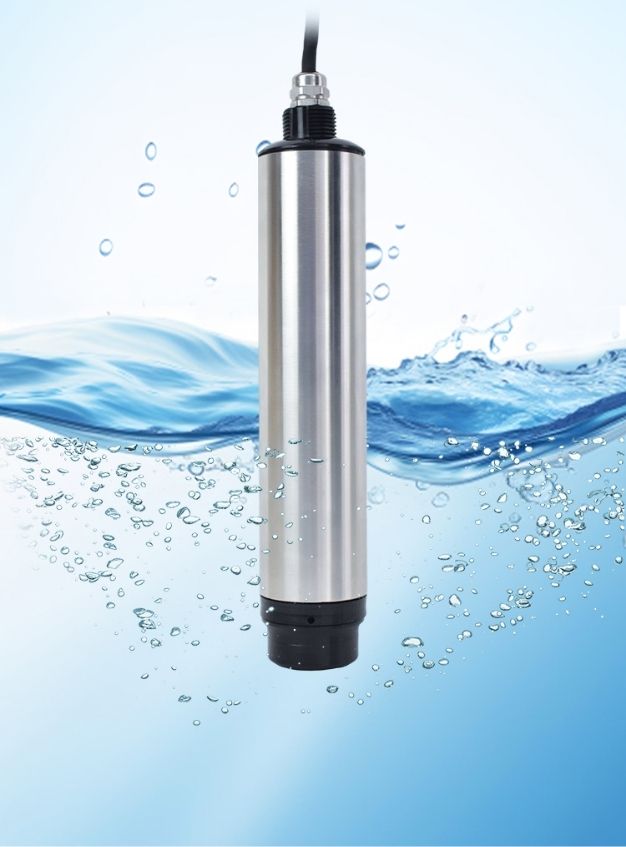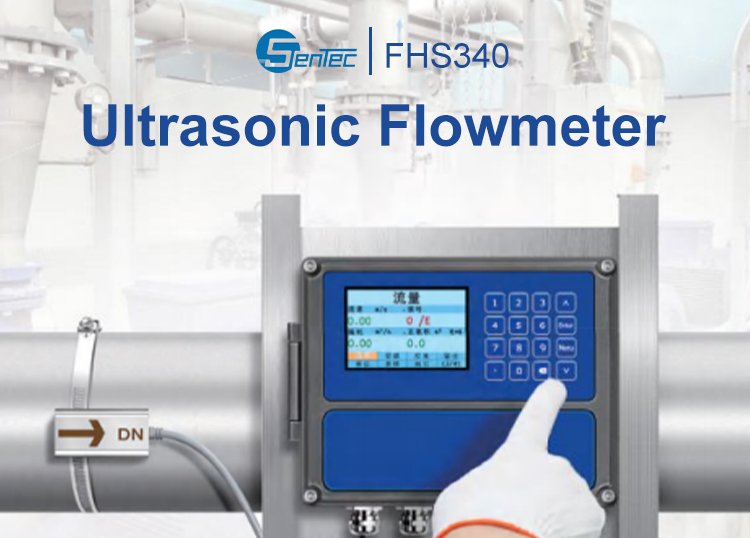

Underwater ultrasonic sensors work reliably in muddy or polluted water where traditional optical methods fail completely. These specialized sensors employ sound waves to detect objects and measure distances underwater, unlike cameras that need clear visibility.
Sound behaves differently underwater. The speed reaches 1482 meters per second in water compared to just 343 meters per second in air at 20 degrees Celsius. Standard underwater ultrasonic distance sensors will substantially underestimate measurements without proper adjustment. This piece covers everything you should know about selecting, implementing and troubleshooting these versatile underwater detection systems for your real-life projects.
How underwater ultrasonic sensors work
Underwater ultrasonic sensors make use of sound waves to detect objects and measure distances in submerged environments. These specialized devices work differently from their aerial counterparts and need specific setup requirements to work properly.
Sound wave propagation in water
Sound waves travel approximately 4.4 times faster in water than in air. Acoustic waves reach speeds around 1482 meters per second underwater, while they only reach 343 m/s in air. Sound experiences much less weakening in water, which lets it travel much further.
Several environmental factors affect how sound travels underwater:
Temperature: Sound velocity increases by 1.4 m/s with each degree rise
Depth/Pressure: Sound speed increases by 17 m/s for every kilometer of depth
Salinity and density: Dissolved substances change how sound waves move
Sound waves underwater follow complex equations that factor in impedance density and how the medium absorbs sound. These waves create unique paths through refraction and reflection. Sometimes they form special channels like the deep sound channel (SOFAR) that help sound travel thousands of kilometers without touching the surface or seabed.
Difference from in-air ultrasonic sensors
Underwater ultrasonic sensors work quite differently from their air-based cousins. Water and air have vastly different properties – their impedance contrast is about 3600:1, and their density ratio is close to 820:1. So a sensor built for air won’t work underwater, even with waterproofing.
Underwater ultrasonic devices typically use frequencies between 10 Hz and 1 MHz, while air-based sensors usually need higher frequencies. To name just one example, advanced underwater distance sensors can emit 1 MHz ultrasonic waves and measure up to 8 meters away.
These sensors must also deal with phase reversal at the water-air boundary, where acoustic pressure waves flip 180 degrees. This affects how signals get processed and interpreted.
Why water-specific calibration is needed
Accurate underwater measurements need proper fine-tuning. The process involves finding the exact speed of sound in both air and water by placing sensors at known distances and measuring how long pulses take to travel.
You need to adjust calibration settings based on:
Environmental factors (temperature changes, electrical interference, pressure shifts)
How equipment is installed and what it can do
How to calculate sound speed in different substances
Underwater ultrasonic sensors must account for temperature effects on speed, especially with slow flows where errors can reach 10-15%. Regular maintenance and periodic adjustments help maintain accuracy over time by fixing sensor drift and adapting to environmental changes.
Well-calibrated underwater ultrasonic sensors perform reliably even in challenging conditions where optical methods completely fail, such as murky or turbulent waters.
Limitations of traditional waterproof sensors
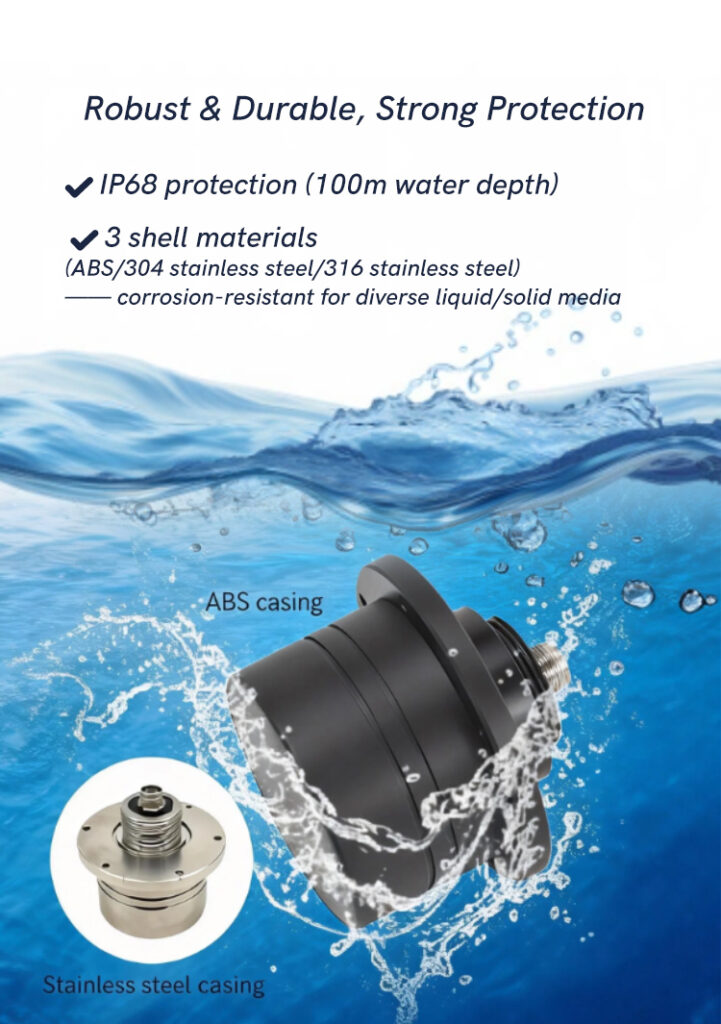
Most sensors marketed as “waterproof” fail when submerged underwater for long periods. You should understand these limitations before choosing an underwater ultrasonic sensor for your project.
Why waterproof doesn’t mean usable underwater
Lab testing conditions barely match real-life underwater environments. Tests happen in static, pure freshwater tanks without currents, chemicals, or pressure changes. Testers gently lower sensors into test tanks, unlike actual deployments that often involve forces that can instantly damage seals.
The waterproof ratings apply only to new devices. Tiny rubber gaskets and seals break down over time, especially after exposure to temperature changes or physical impacts. Manufacturers rarely cover water damage under warranty, which shows they know the limits of their own waterproof claims.
Common failure points when submerged
Water ingress remains the main reason submerged sensors fail. Electrical malfunction follows quickly once moisture gets inside the housing. These parts often fail:
Cable-sensor interfaces where seals can deteriorate
Condensation forms inside due to temperature differences between submerged components and surface terminations
Tiny cracks from impact or vibration that compromise waterproofing
Vent tubes that let moisture reach sensitive electronics
Electronic components affected by self-heating lead to premature battery discharge
Reliable underwater ultrasonic sensors need specific engineering with sealed housings, proper depth ratings, and resilient protection against these failure modes.
Challenges in underwater ultrasonic distance sensing
Designing reliable underwater ultrasonic distance sensors brings unique scientific challenges that go way beyond the reach and influence of simple waterproofing. These sensors need specific engineering solutions to measure accurately underwater.
Speed of sound variation in water
Water’s acoustic properties create the biggest problem in underwater sensing. Sound moves about 4.3 times faster in water (1482 m/s at 20°C) compared to air (343 m/s). Sensors that work well in air will only show 23% of actual distances when used underwater without proper adjustments. This huge difference means we need special design features for underwater ultrasonic distance sensors.
Impact of temperature, salinity, and pressure
Environmental conditions shake up underwater acoustics substantially. Sound velocity jumps by 4.6 m/s with each degree Celsius rise in temperature. It increases by 1.4 m/s when salinity goes up by one part per thousand above 35 parts per thousand. Pressure changes add another 0.16 m/s per kilogram per cubic centimeter.
Small variations matter in experimental measurements. The uncertainty stays better than 0.02% for pressures up to 10 MPa and better than 0.05% at higher pressures. These changes mean similar sensors at different depths or water bodies might show very different measurements.
Acoustic invisibility and signal scattering
Some targets can become acoustically “invisible” underwater unexpectedly. Research shows that certain objects achieve zero sound scattering through continuous distribution of oscillating pressure load. On top of that, underwater acoustics face challenges from complex impedance boundaries. Water has roughly 3600 times the acoustic impedance of air.
Long-range sensing applications suffer because high-frequency signals (above 10kHz) don’t travel well underwater. Underwater targets also behave more unpredictably at greater depths.
Sensor calibration for accurate readings
Getting the calibration right remains crucial but tricky. Most commercial sensors figure out range using time-of-flight measurements based on sound speed. Standard sensors need recalibration for water-specific sound speed since they come calibrated for air.
The calibration process puts targets at known distances from the sensor and calculates a multiplicative correction factor. It develops calibration curves through least-square linear fitting. Modern systems use advanced algorithms like Recurrent Neural Networks and Discrete Wavelet Transform to handle nonlinear errors in measurements.
Real-world applications and testing insights
Ultrasonic technology provides strong solutions for underwater applications of all types. These special sensors work best where regular visual systems fail and prove their value in tough underwater conditions.
Water depth monitoring in murky environments
Ultrasonic water level sensors give reliable depth measurements even when water is dirty and optical methods don’t work at all. These devices are very accurate and show measurement precision within 0.05 standard deviation from true distances. Tests showed DFRobot’s underwater sensors gave steady readings with small changes and kept stable values even in tough conditions.
Obstacle detection in underwater robotics
Autonomous underwater vehicles (AUVs) depend on ultrasonic technology to guide them. Advanced collision avoidance systems use ultrasonic sensor arrays to spot and move around fixed and moving obstacles. Lab tests showed these systems worked well for live tracking and obstacle avoidance. The beam widths of 7.3° at -6 dB helped pinpoint obstacle locations.
Environmental monitoring and inspections
Environmental sonar systems collect vital subsea data beyond basic object detection. They gather detailed information about water quality, marine life activity, and seabed composition. On top of that, these systems help protect marine mammals by tracking their movements during industrial work. This creates a good balance between development and conservation.
Case study: SUU800 sensor in dirty water
Field tests proved our underwater ultrasonic obstacle avoidance sensor works great even in very muddy river water. The sensor’s 50-300m measurement range, and ±3cm accuracy beyond 2m make it a reliable choice for dirty environments. Tests in dirty water showed steady measurements, which explains why these special sensors work better than standard detection methods.
Conclusion
Underwater ultrasonic sensors are amazing tools that work in submerged environments where other detection methods just don’t work. These specialized devices work very differently from their aerial counterparts. Sound moves about 4.4 times faster underwater, so these sensors need specific calibration and design to measure accurately.
Don’t be fooled by standard waterproof ratings – they can be misleading. Many sensors labeled as “waterproof” break down when used underwater for a long time. Good underwater sensors need special engineering to handle common problems like cable connections, temperature changes, and tiny cracks.
Environmental factors make underwater sensing tricky. Sound waves behave differently underwater because of temperature shifts, salt levels, and pressure changes. You need proper calibration to get accurate readings in these changing environments.
These sensors are a great way to get results in many applications, even with tough challenges. They work great at measuring water depth in murky conditions and help underwater robots detect obstacles. They’re also vital for monitoring the environment. DFRobot’s sensor shows how well they work in dirty water where other methods completely fail.
Your underwater ultrasonic sensor choice should go beyond the IP rating. Think about your specific environment, how accurate you need measurements to be, and how long the sensor needs to last. These sensors face unique challenges but excel at detection where visual systems can’t work. Knowing their limits and strong points helps you build reliable underwater detection systems that work well whatever the water conditions.