Radar level sensors serve as vital instruments in industrial automation. They provide accurate and versatile measurements for almost all liquids and solids. The selection process can feel overwhelming due to numerous antenna types, frequencies, and specifications to think over.
Your choice of radar level gages directly impacts measurement accuracy, stability, and service life. You might want to think over a guided wave radar level sensor for precise measurements or a non-contact radar level sensor for challenging environments. Knowing how each type works is significant to make the right choice. The basic principle remains straightforward – radar level transmitters emit high-frequency radar pulses through an antenna, which reflect from the product surface. The time these reflected pulses take to return determines the distance traveled, enabling continuous level measurement.
This piece walks you through the main differences between radar level sensor types of all sizes. You’ll learn their working principles and get practical advice to make an informed decision. The knowledge gained will help you pick the ideal radar level sensor for your specific industrial application – no unnecessary complexity involved.
Understanding Radar Level Sensor Antennas
Radar level sensors’ measurement accuracy and reliability depend heavily on their antenna components. The right antenna type plays a vital role in getting the best performance for specific applications.
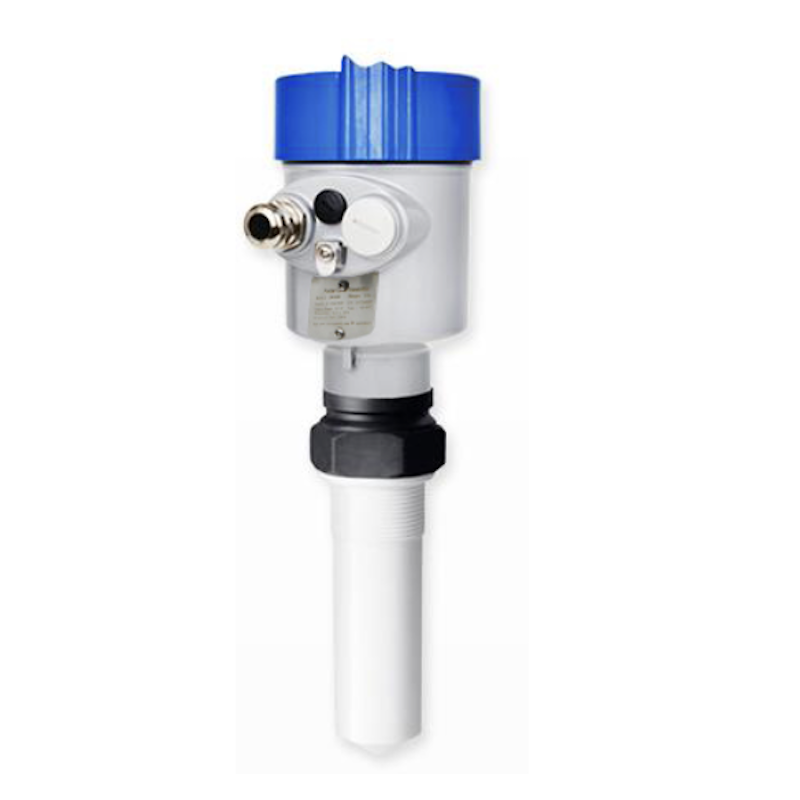
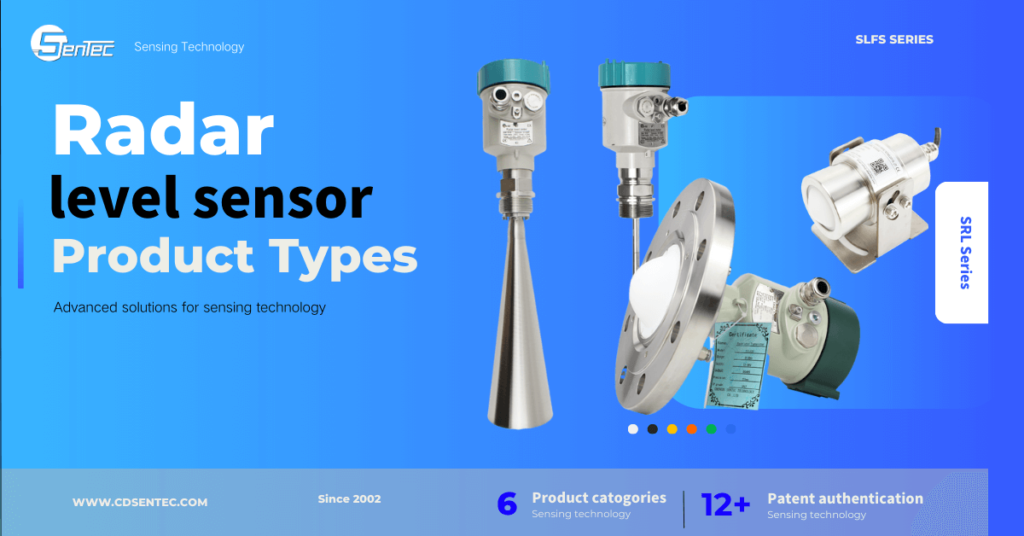
Rod antennas perform best in highly corrosive environments because manufacturers build them using materials like polypropylene and PTFE. These antennas deliver good measurements for volatile media and fit well in spaces with limited installation options.
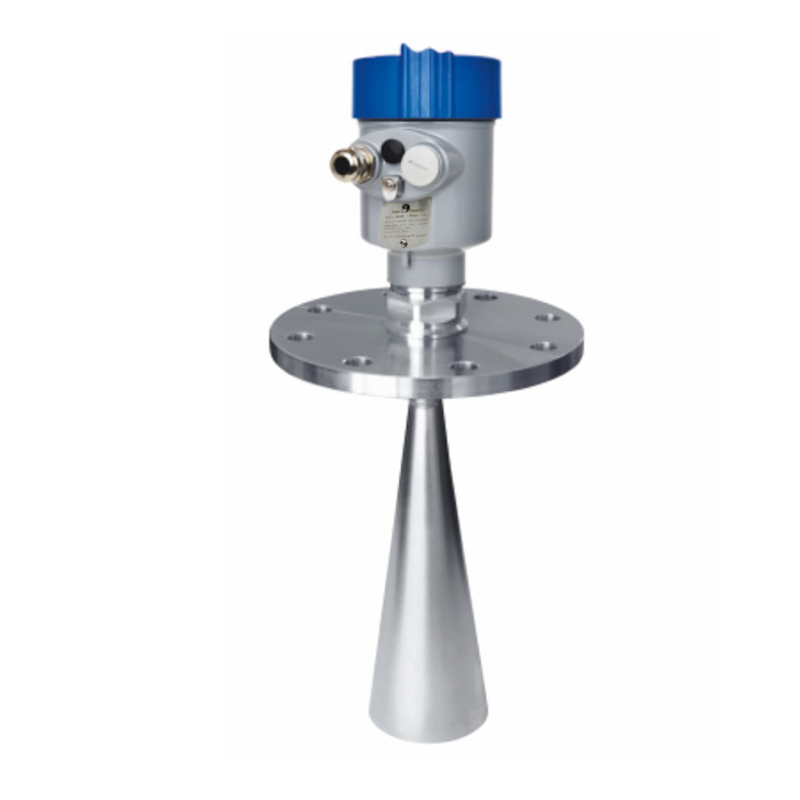
Horn (conical) antennas are the most common design that offers easy installation without needing waveguides. Storage tanks and reaction vessels are perfect spots for these antennas, though they don’t work well with corrosive substances. The accuracy improves when larger horn diameters create smaller beam angles at the same frequencies.
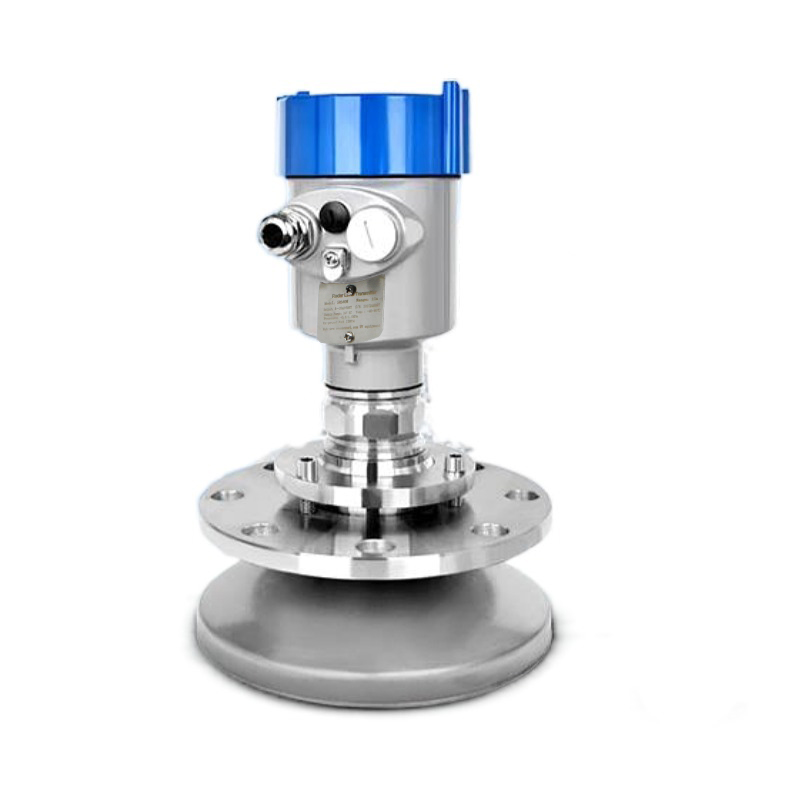
Parabolic antennas excel at creating narrow beams through point-source radiation. Large storage tanks containing materials like residual oil and asphalt benefit from their high-precision measurements. The focused design ensures stable measurements even in challenging high-temperature environments.
Planar antennas create concentrated energy waves using array technology that minimizes waveguide wall interference. These antennas work exceptionally well in floating roof tanks and high-temperature settings where precision matters most.
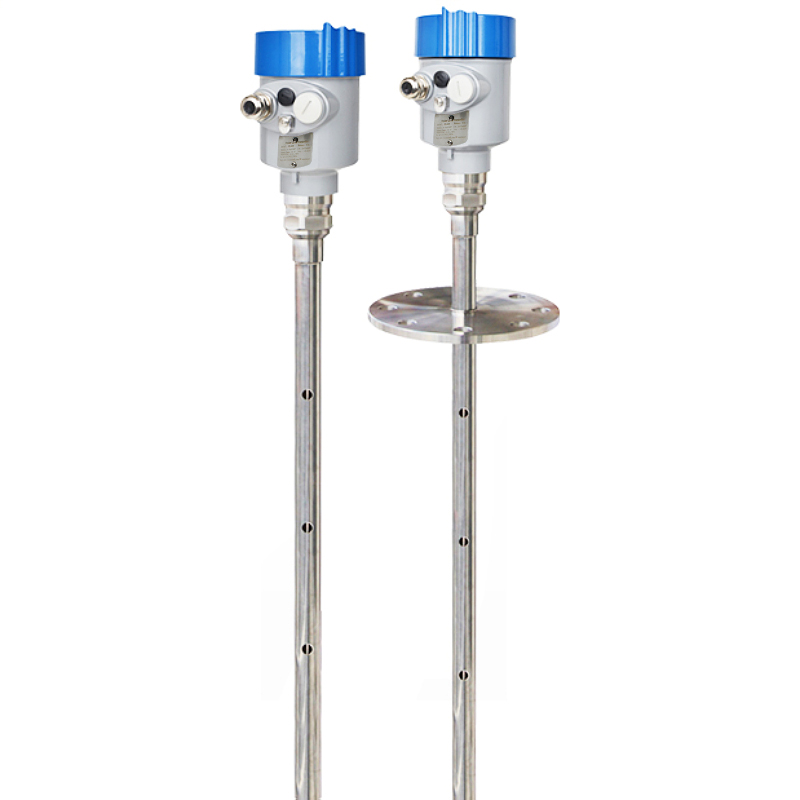
Guided wave radar sensors deliver stable signals through contact-based measurement. The waveguide rod helps propagate signals and detect bottom reflections, making these sensors reliable for measuring both liquid and solid levels.
Comparing Antenna Performance in Real Applications
Radar level sensors perform quite differently in ground conditions compared to laboratory settings. These sensors encounter several interference factors that affect their measurement accuracy and reliability during actual use.
FMCW radar technology works exceptionally well when dealing with foam and agitation. It can even penetrate dry foam layers to detect liquid surfaces underneath. The 80 GHz devices are particularly good at filtering interference in the near range. They can detect tiny amounts of oil from distances exceeding 98 feet.
Radar level meters often face interference from electromagnetic fields generated by motors or power lines. Tank temperature and pressure changes can alter signal propagation characteristics and cause measurement errors.
Ground testing shows that horn antennas fail less often and maintain strong operational stability. Guided wave array antennas deliver better measurement accuracy but need more complex installation structures. Parabolic antennas are affordable despite their relatively larger measurement errors.
Radar sensors need regular maintenance in dusty environments. The antenna should be cleaned with alcohol cotton pads every three months. Signal strength monitoring (-30dBm to -10dBm is normal) helps prevent failures. A power plant successfully reduced radar failure rate from 12 to 2 occurrences per year through consistent cleaning.
Modern signal processing algorithms allow radar level transmitters to mask and ignore false echoes from obstacles like agitators. This enables reliable performance even with challenging tank configurations.
How to Choose the Right Radar Level Sensor for Your Needs
Choosing the right radar level sensor depends on several key factors. You need to review the physical properties of your measured medium first. The dielectric constant matters a lot because it affects how strongly signals reflect. A waveguide helps improve signal reflection for materials like liquefied gas or gasoline that have low dielectric constants.
Your tank’s geometry and size matter just as much. Narrow tanks or ones with internal obstructions work best with high-frequency radar sensors. Rod radar or high-frequency sensors fit better in small containers with limited space. Keep in mind they have blind spots ranging from 0.5-0.7 meters.
Process conditions need careful attention. Low-frequency radar or guided wave radar penetrates better if you have foam thicker than 2cm. Low-frequency horn radar resists high temperatures up to 300°C effectively. Corrosive environments need either 316 stainless steel antennas or probes with polytetrafluoroethylene lining.
Different sensors have different installation needs. You’ll need at least a DN40 connecting pipe for guided wave radar. High-frequency radar requires DN100 minimum when you have steam or stirring present. A safety distance of 25 units from electromagnetic interference sources like motors and transformers is essential.
Guided wave radar works best with foam, turbulence, and interface level detection. Non-contact radar proves ideal for corrosive, sterile, or ultra-pure liquids.
Conclusion
Your specific application requirements determine which radar level sensor works best. This piece shows how different antenna types perform well in various conditions. Horn antennas work great for most standard applications. Rod antennas shine in corrosive environments. Guided wave radar sensors are reliable tools that detect both liquid and solid levels through contact-based measurement.
Process conditions substantially affect your choice of sensor. You just need specific antenna setups for optimal performance in high temperatures, foamy conditions, and corrosive environments. Before making your final choice, evaluate your tank’s geometry, medium properties, and any installation limits carefully.
Practical maintenance is something you need to think over too. Regular cleaning, especially in dusty settings, can cut down failure rates. Keeping an eye on signal strength helps avoid getting pricey downtime by spotting problems early.
Radar level sensors have definitely changed industrial measurement. They work reliably even in challenging conditions. The selection might look complex at first, but focusing on your measurement needs makes the decision easier. Whether you pick a non-contact radar level sensor for corrosive applications or a guided wave sensor for interface detection, knowing the key differences between antenna types will without doubt lead to more accurate measurements and longer service life.