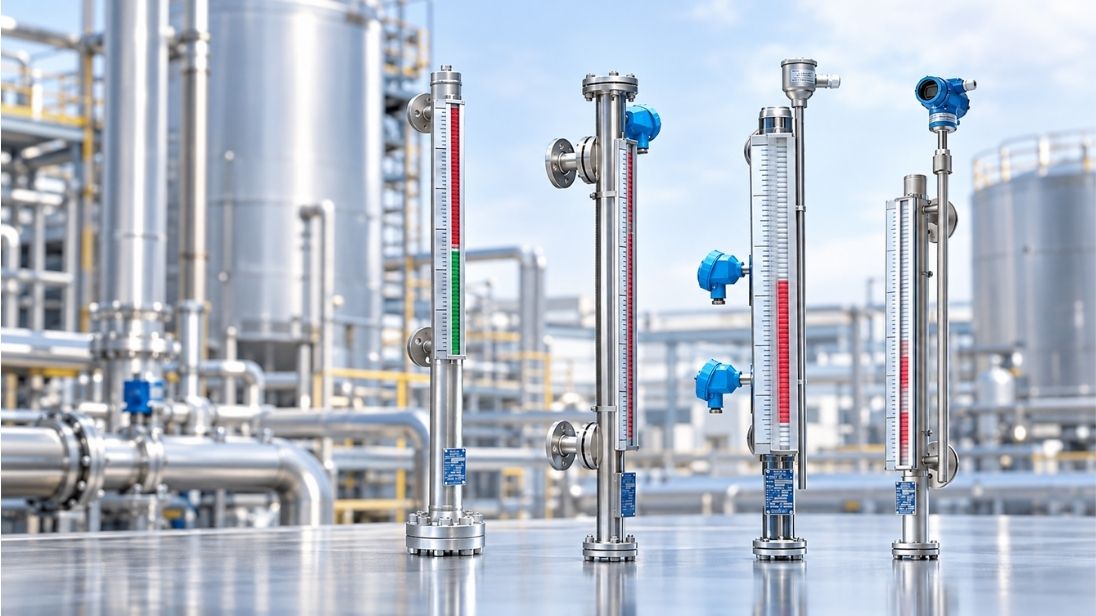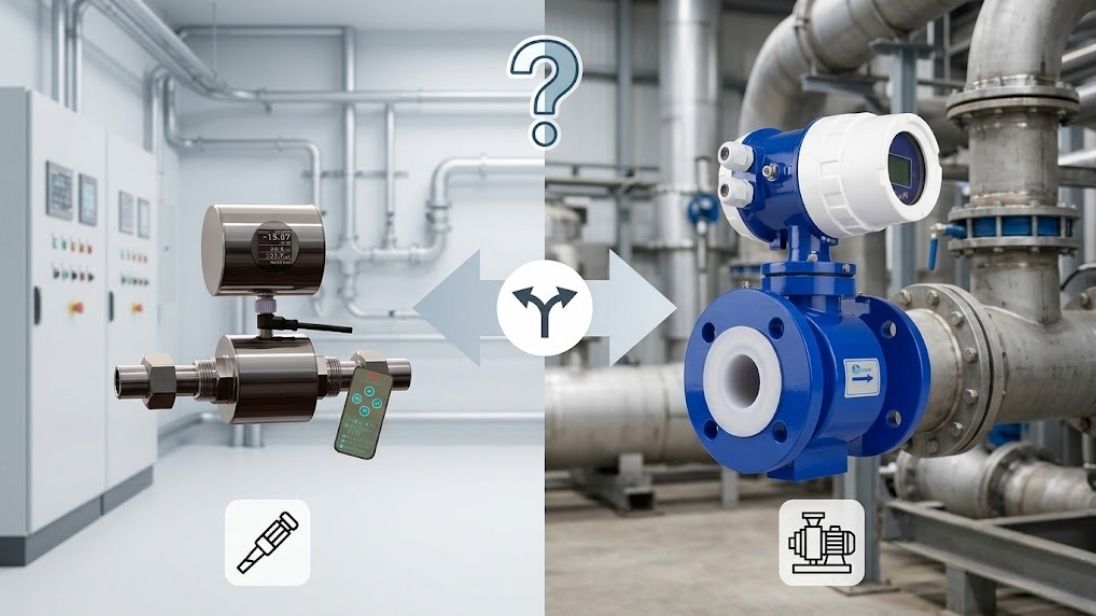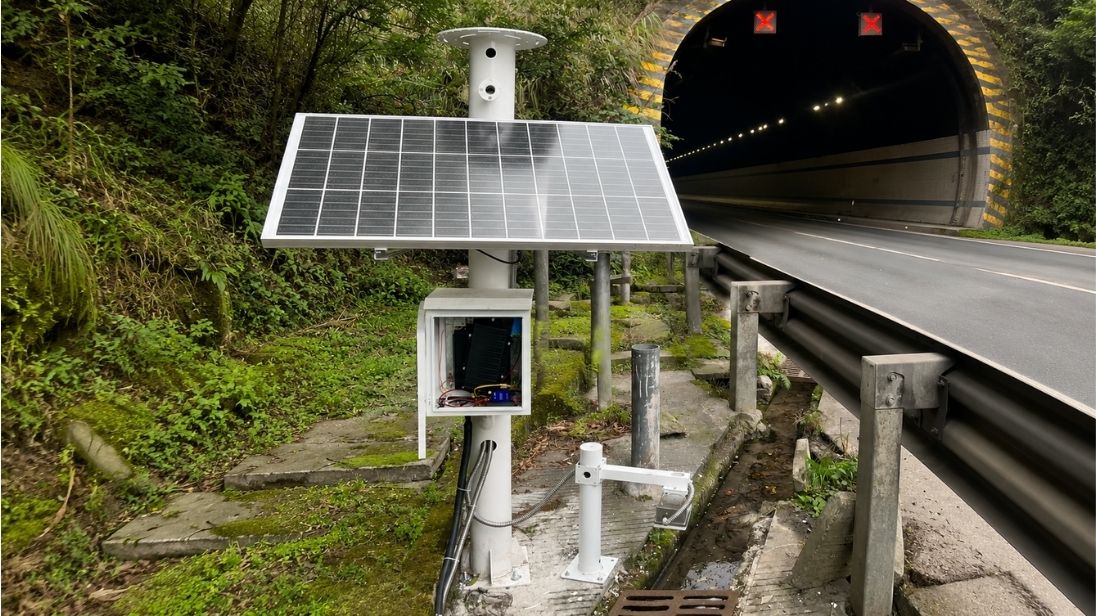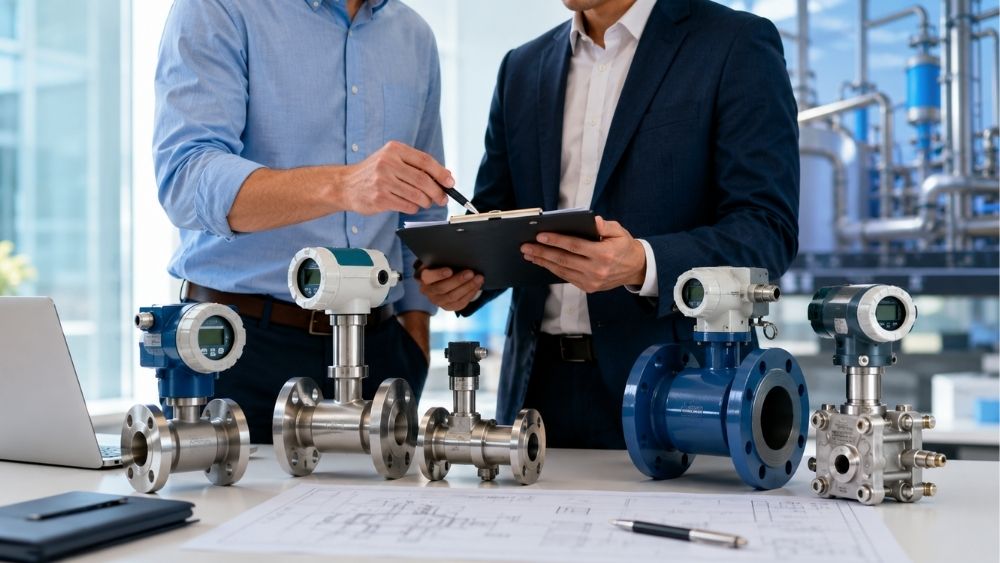
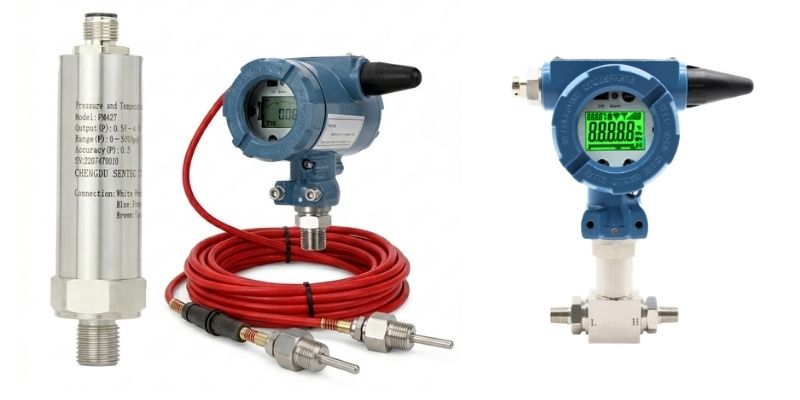
A single process point can now measure two critical parameters. This has revolutionized industrial monitoring, and the pressure and temperature transducer makes this possible with high precision. Modern sensors can achieve pressure accuracy as high as ±0.1% FSO and simultaneously track temperature. This eliminates multiple penetration points in your system. You might need a high accuracy pressure transducer for demanding applications or a high temperature pressure transducer operating up to 125°C. Today’s combined pressure and temperature transducers offer customizable outputs and strong capabilities. Pressure ranges span from vacuum to 10,000 psi. This makes these temperature and pressure sensors versatile in industries of all types. We’ll walk you through the fundamentals of accurate measurements in this piece. This includes specifications, installation practices and maintenance strategies that ensure long-term reliability.
Understanding Pressure and Temperature Measurement Basics
Why Measure Both Parameters Simultaneously
Pressure and temperature share a fundamental relationship in gas systems. According to Gay-Lussac’s law, the pressure of a gas is directly proportional to its absolute temperature when volume remains constant. This means if you double the Kelvin temperature, the pressure doubles as well. These two parameters change together constantly in real-life applications.
Gas flow monitoring demonstrates why combined measurement matters. The volume of gasses undergoes major changes when pressure gets altered. A higher pressure condenses the gas and decreases the overall volume, while a lower pressure increases the volume. Similarly, a rise in temperature causes gasses to expand. Monitoring flow in pipelines carrying gaseous substances requires thermal pressure measurement to correct your flow measuring.
Industrial boiler systems depend on combined temperature and pressure measurement because these systems transfer hot water from a boiler to circulating water in heating systems. System failures occur quickly if the pressure drops or the temperature fails to meet standards. The relationship between these parameters is intrinsically linked in closed-loop fluid systems. A change in pressure often associates with a change in temperature, and capturing both parameters at once from a single location enables more accurate compensation algorithms and improved process control.
Common Applications and Industries

Combined pressure and temperature sensors serve multiple sectors. The aerospace industry uses these sensors to monitor jet engine performance, measure temperature and pressure of air flowing over aircraft wings, and track hydraulic systems and landing gear. Automotive applications include monitoring pressure and temperature of engine oil, fuel, air, tires, and brakes.
Medical devices such as PAP machines and ventilators rely on dual sensors for flow and pressure measurements. The pharmaceutical industry monitors temperature and pressure during drug manufacturing, storage, and transportation to ensure efficacy and safety. Food production facilities use these sensors to monitor meat, dairy, and produce during production, storage, and transportation.
Benefits of Combined Sensors Over Separate Devices
Using separate sensors creates several problems. Installing and maintaining two separate sensors gets pricey and time-consuming. Separate sensors can lead to errors in data collection because they may not accurately capture the relationship between pressure and temperature. The integrated design eliminates potential failure points, as fewer devices translate to a lower probability of system malfunctions.
Being cost-effective improves because fewer components reduce overall system cost. Simplified design decreases requirements for multiple components. Improved accuracy results from matched sensor pairs. Factory calibration of dual sensors provides precise and consistent measurements. Space savings come from the compact design creating a more efficient system architecture.
Key Specifications That Impact Measurement Accuracy
Specifications determine whether your sensor delivers reliable data or introduces errors that get pricey into your process. Understanding these parameters helps you select the right device and interpret its performance correctly.
Pressure Accuracy Ratings Explained
Pressure transducers from Sentec typically achieve accuracy within ±0.25% of full scale output (FSO). High-performance units reach ±0.1% FSO. Accuracy combines non-linearity and hysteresis errors. The five-point calibration method establishes non-linearity by applying pressures at 0%, 50%, 100%, 50%, and 0% of full scale, then fitting a best-fit line to determine maximum deviation. Hysteresis measures the difference in readings at similar pressures during ascending and descending cycles.
Temperature Accuracy Standards
Temperature sensors follow international tolerance standards. IEC 60751:2022 defines RTD accuracy classes. Class AA provides the tightest tolerance, while Class B offers ±0.3°C at 0°C accuracy. Thermocouples conform to IEC 60584-1:2013, which specifies tolerance bands for each thermocouple type. RTDs deliver superior accuracy, typically ±0.1°C to ±0.3°C, compared to thermocouples at ±0.5°C to ±1.0°C.
Operating Temperature Range Considerations
Three temperature specifications matter: media temperature, ambient temperature, and compensated temperature range. The compensated range defines limits where manufacturers verify temperature errors. TC Zero affects the zero signal, while TC Span affects full-scale output, typically specified as ≤±1% FSO. Pressures of 2 PSI and below experience higher tolerances at ≤±2% FSO.
Response Time and Frequency Performance
Response time measures how quickly a sensor reacts to pressure changes. Modern transmitters achieve rise times ≤2ms. Frequency response indicates bandwidth and typically extends to hundreds of Hz for industrial applications. High-speed transducers measure up to 1000 readings per second.
Proof Pressure and Burst Pressure Limits
Proof pressure represents the maximum pressure a sensor withstands without performance changes, often specified as 2X the rated range. Burst pressure indicates the absolute failure point where physical damage occurs. When you exceed proof pressure, positive zero shift occurs, while burst pressure exceedance renders the sensor unusable.
Installation and Configuration for Optimal Performance
Proper installation transforms sensor specifications into reliable field performance. The process begins with selecting the right connection method for your application.
Process Connection Methods
Threaded connections dominate industrial installations. You should insert the sensor and tighten to 25-50 Nm depending on pressure range, lubrication and seal type. Mount with the process connection facing down when dealing with viscous media or fluids containing solids to prevent port clogging. Flanged connections provide resilient sealing for high-pressure applications. Welded connections create permanent, leak-proof attachments in nuclear and high-pressure steam systems.
Probe Length Selection
Insertion depth affects measurement accuracy. Liquid applications need thermowells inserted 33-66% of pipe diameter. Gas applications require 50% insertion length of pipe diameter. The immersion length should position the sensing element in representative process conditions without excessive protrusion that creates flow disturbance.
Electrical Wiring and Cable Requirements
Two-wire systems remain most common for 4-20mA pressure transmitters and use the same wires for both power supply and signal output. Three-wire configurations add a dedicated ground line. Shielded twisted pair cables reduce electromagnetic interference in noisy environments. Ground one end of the analog cable to prevent potential difference interference.
Mounting Position and Orientation
Position affects accuracy, especially for low-pressure transducers below 5 psi. Mount differential pressure transmitters below process taps with impulse lines sloping upward at least 1/10 inch per foot to vent air bubbles. Zero the transducer after installation to eliminate position-related offsets.
Maintaining Accuracy Over Time
Sensors drift whatever the installation quality, making ongoing maintenance non-negotiable for sustained accuracy.
Regular Adjustment Schedules
Annual adjustment checks are enough for sensors installed properly. Harsh environments require more frequent intervals. High-performance differential pressure transmitters maintain stability for 104 months, whereas standard units need verification every 20-47 months. Application criticality drives frequency decisions.
Environmental Factors That Affect Readings
Temperature represents the most important accuracy threat. MTBF decreases by half for every 10°C increase in operating temperature. Zero shift occurs from mechanical stress caused by thermal cycling. Relative humidity sensors are affected by humidity especially, with contamination from moisture or oils creating measurement deviations. Diaphragm fatigue accelerates from vibration and pressure cycling.
Detecting Sensor Drift
Long-term drift demonstrates as gradual output changes, around ±0.25% FS/year. Watch for consistent offset errors where readings run high or low systematically. Compare sensor outputs against reference instruments that are adjusted regularly. Sudden accuracy changes signal immediate attention needs.
When to Replace Your Transducer
Replace sensors showing recurring or rapid drift beyond adjustment range. Physical damage, adjustment drift exceeding specifications, or material degradation warrant replacement. Sensors experiencing excessive adjustment drift indicate incorrect application selection.
Long-Term Stability Features to Look For
Premium sensors maintain ±0.1% precision for five years. Stability specifications should define maximum zero and span change during adjustment intervals. Silicon-on-sapphire designs and ceramic substrates provide superior thermal stability.
Conclusion
Accurate pressure and temperature measurements start with understanding sensor specifications and choosing devices that match your application requirements. Proper installation techniques will deliver the precision you need from day one once you’ve selected the right transducer. Regular calibration schedules and attention to environmental factors ensure your measurements stay reliable over years of operation.
Quality combined sensors save you money over time. Reduced maintenance costs come from fewer components, and dual measurements from a single point eliminate data collection errors and simplify your system design.