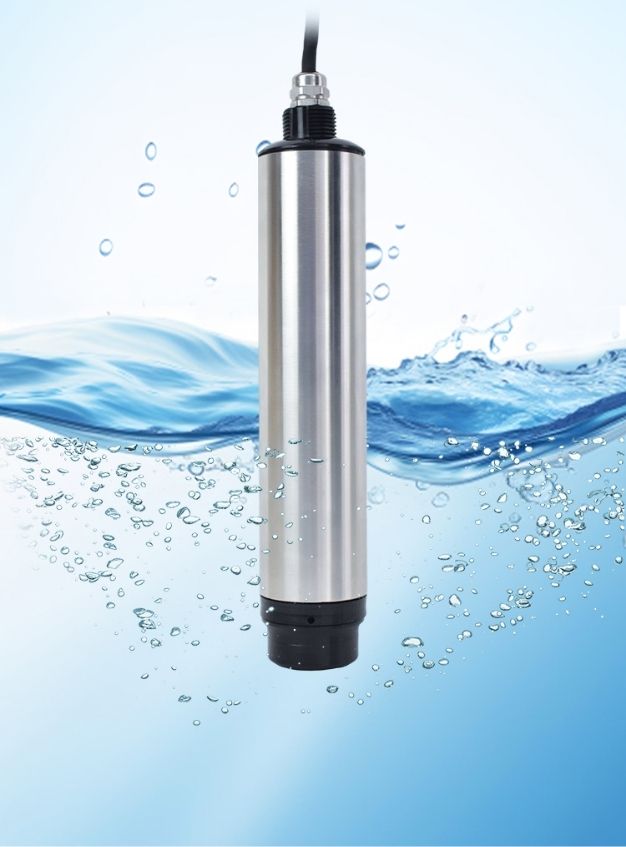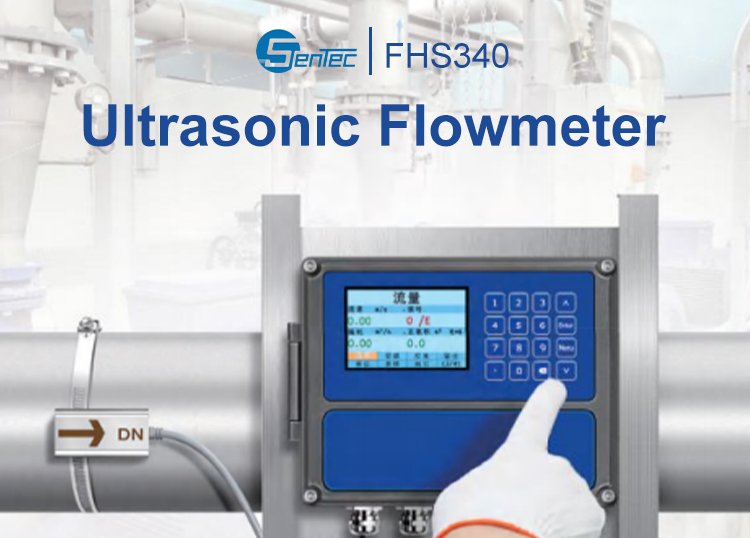
The right velocity flow meter makes all the difference between 1-3% measurement accuracy and flow miscalculations that can get pricey in your plant operations. Finding a flow measurement solution that matches your exact needs isn’t easy. This becomes even more challenging in a variety of environments where these instruments must work – from temperatures as low as -22°F to as high as 302°F.
Today’s area velocity flow meters pack some impressive features. Many models can measure forward flow velocity up to 19.7 ft/s and reverse flow up to 5 ft/s. On top of that, these meters work with pipes ranging from tiny 5.9 inches to massive 1200 inches. This makes them perfect for almost any industrial setup you can think of. You’ll find meters designed for your specific needs, whether you need standard measurement ranges of 10 ft or extended ranges up to 30 ft. In this detailed piece, we’ll take a closer look at different velocity flow meter types, their working principles, and give you practical selection criteria to help you make the right choice for your facility.
Understanding How Velocity Flow Meters Work
The basic principle behind velocity flow meters is simple: volumetric flow rate (Q) equals flow velocity (V) multiplied by the pipe’s cross-sectional area (A). This Q = V × A formula serves as the foundation for every velocity measurement device available today. The volumetric flow calculation becomes simple once we know the pipe’s dimensions and can measure the fluid’s velocity.
The Q = V × A formula explained
Flow rate and velocity have a direct relationship. The flow rate doubles when velocity doubles, as long as the pipe area stays the same. The fluid doesn’t move uniformly through a pipe’s cross-section. The velocity reaches its peak at the center and drops near the walls because of friction. These velocity flow meters need to factor in this profile to convert their readings into total volumetric flow.
Doppler effect and transit-time methods
Ultrasonic flow meters use one of two measurement principles. Doppler flow meters detect frequency changes when sound waves bounce off particles or bubbles in the fluid. This method needs at least 80-100 mg/l of solid particles (larger than 75 microns) to work correctly. These meters work great with wastewater or slurries but aren’t suitable for clean liquids.
Transit-time meters measure how ultrasonic pulses move faster downstream than upstream. The time difference between signals can be measured in picoseconds and directly relates to flow velocity. Some advanced models use four piezo ceramics in an X-configuration to create four sound paths that capture the complete flow profile.
Radar-based surface velocity measurement
Radar technology provides a non-contact solution for open channels. These devices send microwave signals at specific angles toward the water surface. The signal’s frequency changes due to the Doppler effect when it bounces off moving water. Modern radar systems can match accuracy within 10 cm/s when compared to in-situ measurements. UAS-mounted Doppler radar systems now enable live velocity measurement with high spatial resolution.
Why non-contact methods are gaining popularity
Non-contact flow meters come with several benefits that explain their rising adoption. These meters don’t obstruct flow, which means no pressure drop. Temperature, density, or viscosity changes in the measured fluid don’t affect them. They also work with bidirectional flow and use relatively little power. The best part is that these systems can be installed without stopping flow or cutting pipes, making them perfect to update existing systems or use where shutdowns aren’t possible.
Types of Velocity Flow Meters and Their Use Cases
Velocity flow meters are available in several distinct varieties. Each type serves specific applications that depend on fluid characteristics and installation conditions. Let me walk you through the main types and where they work best.
Doppler flow meters: best for dirty or aerated flows
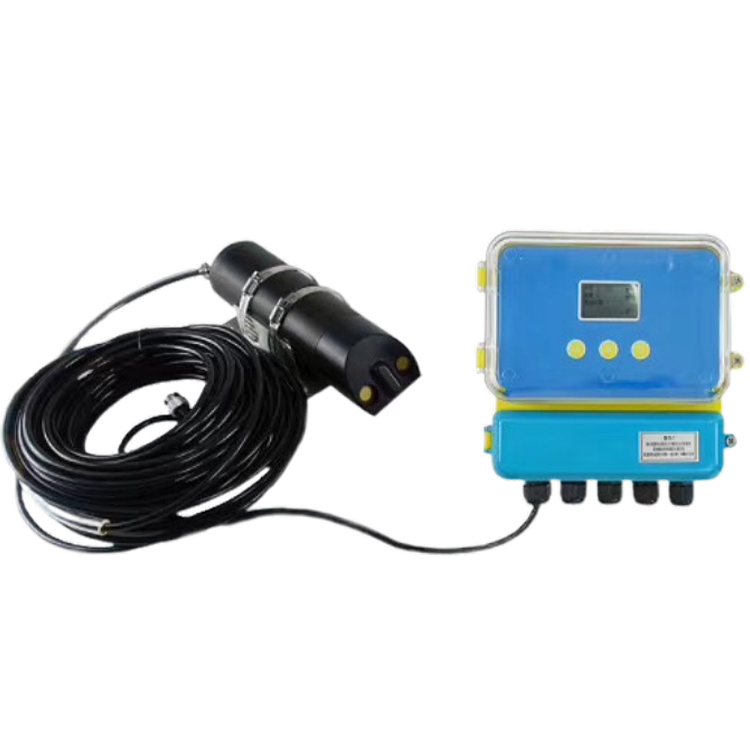
Doppler flow meters work by detecting frequency changes when sound waves bounce off particles or bubbles in the fluid. These meters need suspended solids or gas bubbles to work properly. They shine at measuring wastewater, slurries, crude oils, and paper pulp where particles are plentiful. The meters use a single-head transducer that acts as both transmitter and receiver. It figures out velocity by measuring frequency changes as sound waves return. This setup makes Doppler meters work really well especially when you have dirty liquids or high aeration levels in industrial settings.
Transit-time meters: ideal for clean water
Transit-time flow meters calculate the time difference between ultrasonic signals going upstream versus downstream. These devices deliver impressive accuracy—±1% of reading from 0.46 m/s to 12.2 m/s. They work perfectly with clean liquids that have less than 2% solids or gas bubbles. Transit-time meters are incredibly reliable for water, chemicals, hydraulic oils, and water/glycol solutions because they have no moving parts and you can install them without shutdowns. They also work well in temperatures from -20°C to 60°C (-5°F to 140°F).
Radar open channel flow velocity meters
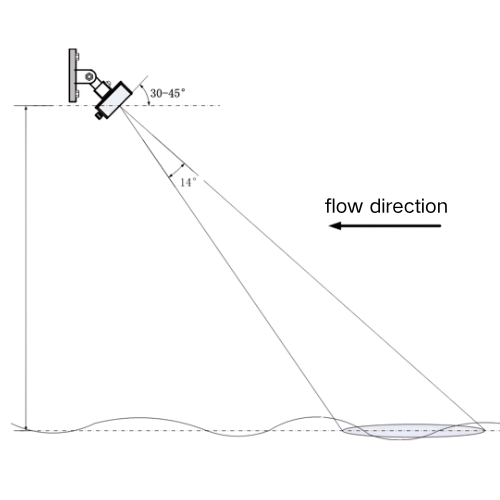
Radar-based systems represent the newest breakthrough in non-contact flow measurement technology. These devices shoot microwave signals at a specific angle toward the water surface. They measure the Doppler frequency shift from reflections to determine velocity. Radar meters handle tough conditions amazingly well since they sit above the water. They keep working accurately even with high solids content, caustic flows, and extreme temperatures. This hands-off approach eliminates maintenance headaches and will give a precise reading even in large open channels.
Area velocity flow meters for irregular channels
Area velocity meters combine level and velocity measurements to figure out flow in irregular channels. These meters employ submersible ultrasonic sensors that measure forward flow velocities up to 6 m/s (19.7 ft/s) and reverse flow up to 1.5 m/s (5 ft/s). They work great in partially full and surcharged pipes. The meters store time-stamped flow values every 10 seconds to 6 minutes. They also automatically create daily flow reports showing total, minimum, maximum, and average flow rates.
Velocity type flow meter vs volumetric meters
Velocity flow meters take a completely different approach than volumetric meters. They determine flow rate by measuring fluid speed and calculating volume using the cross-sectional area instead of measuring actual volume. This method delivers better accuracy—±0.5% compared to mechanical meters’ ±1.5%—and impressive versatility with a 400:1 turndown ratio. Many velocity meter designs skip moving parts completely, which means no drift and minimal maintenance throughout their lifetime.
How to Choose the Right Velocity Flow Meter
Selecting the perfect velocity flow meter demands a thorough analysis of your application needs. This guide offers a systematic way to make this crucial decision:
1. Know your channel shape and flow conditions
Your channel geometry should be the starting point. Rectangular weirs handle flows up to 607 cubic feet per second, while V-notch weirs excel with flows up to 13.7 cubic feet per second. Flumes need either long-throated or short-throated designs based on channel dimensions. The flow type – laminar or turbulent – plays a key role in meter selection and accuracy.
2. Consider installation environment and access
Environmental conditions affect meter performance by a lot. Your chosen meter must withstand the site’s temperature range and pressure conditions. Hazardous locations need explosion-proof options or mechanical flowmeters that don’t use electrical components. Most velocity meters need straight pipe runs – 3× pipe diameter upstream and 2× downstream.
3. Match sensor type to fluid characteristics
Your fluid’s properties determine the meter choice. Non-contact meters like electromagnetic or ultrasonic devices work best with dirty or particle-laden fluids to prevent clogging and wear. Clean water applications usually work well with transit-time ultrasonic meters. Electromagnetic meters fail with oils or hydrocarbons because of insufficient conductivity.
4. Evaluate data output and integration needs
Control system requirements shape your choice. Distances under 100 meters work well with 4-20mA current signals, while digital signals (485 communication) suit longer distances. Your setup might need local displays, remote monitoring capabilities, or integration with HART, Fieldbus, or Modbus protocols.
5. Check for regulatory compliance requirements
Regulatory standards often set meter specifications. Wastewater discharge monitoring under NPDES needs flow measurement accuracy within 10% error or the manufacturer’s tolerance, whichever is less. EPA rules require yearly calibration of flow measurement systems.
6. Compare maintenance and lifecycle costs
Long-term expenses matter more than the purchase price. Meters needing less maintenance might justify higher upfront costs. Energy consumption from pressure loss, calibration frequency, and production losses during downtime need careful assessment. Systems with isolation valves make future servicing easier without shutdowns.
Common Applications Across Industries
Velocity flow meters play significant roles in many industries where precise flow measurement determines operational success and regulatory compliance.
Municipal wastewater and stormwater monitoring
Municipal systems need velocity flow meters to track sewage flow. These instruments work best when monitoring influent and effluent flows, CSO events, and stormwater runoff. The Signature flow meter helps with various flow measurement technologies like bubbler, Non-contact Laser Area Velocity, and Submerged Doppler Ultrasonic Area Velocity. Many agencies place velocity meters at outfalls to manage flooding, enhance water quality, and protect the environment.
Industrial discharge and process water
Velocity flow meters help cool circuits in steel manufacturing, automotive production, and glassmaking operations. These devices play a vital role in tracking water consumption for waste management applications. Accurate effluent water flow measurement helps industries meet environmental regulations and optimize their treatment processes.
Irrigation and agricultural flow tracking
Farmers prevent crop flooding and underwatering with velocity flow meters. These instruments provide accurate flow tracking in open ditches, canals, and furrows. The McMag series provides battery-powered solutions with data-logging capability that tackles tough agricultural flow challenges.
Environmental and river gaging studies
Environmental agencies collect water level data every 15 minutes using velocity flow meters for river monitoring. These measurements help with stormwater runoff studies and monitor water velocity in ditches and canals. Hydrologists get maximum precision in river flow measurements through velocity-area methods, ADCPs, and structured weirs.
Conclusion
Your specific operational requirements will help you pick the right velocity flow meter. This piece shows how different measurement principles work best for various applications. Doppler technology handles particle-laden fluids well. Transit-time meters work great with clean water. Radar-based systems are a great non-contact option for open channels. They measure surface velocity through microwave Doppler technology without needing immersion.
Picking the right meter means thinking about several key factors. You’ll need to review your channel setup and flow conditions first. Your installation environment, fluid characteristics, and data integration needs come next. Regulatory compliance standards often set specific accuracy requirements that will shape your choice.
Each velocity meter type works differently, but they all use the basic Q = V × A relationship. This formula turns fluid velocity and cross-sectional area into volumetric flow rates. The principle works well for municipal wastewater systems, industrial processes, agricultural irrigation, and environmental studies.
Today’s flow meters pack impressive features. They work in extreme temperatures and fit pipes of all sizes while staying accurate within 1-3%. New models cut down on maintenance through non-contact operation. They also connect smoothly with existing control systems.
Take time to think about both your current needs and future costs before deciding. The ideal velocity flow meter strikes the right balance between accuracy, reliability, and total ownership cost. It should also meet your specific operational challenges. With this information, you can pick a flow measurement solution that improves efficiency, gives you compliance, and performs consistently for years.