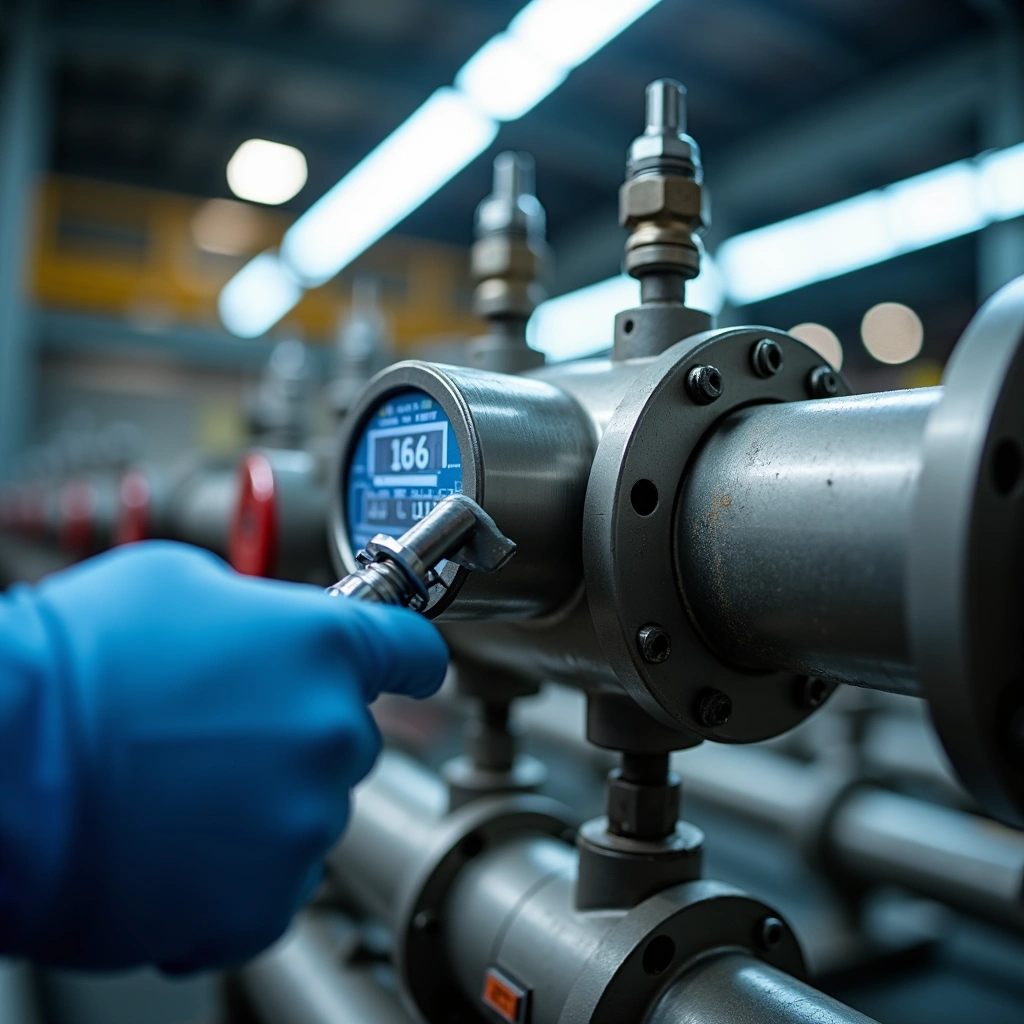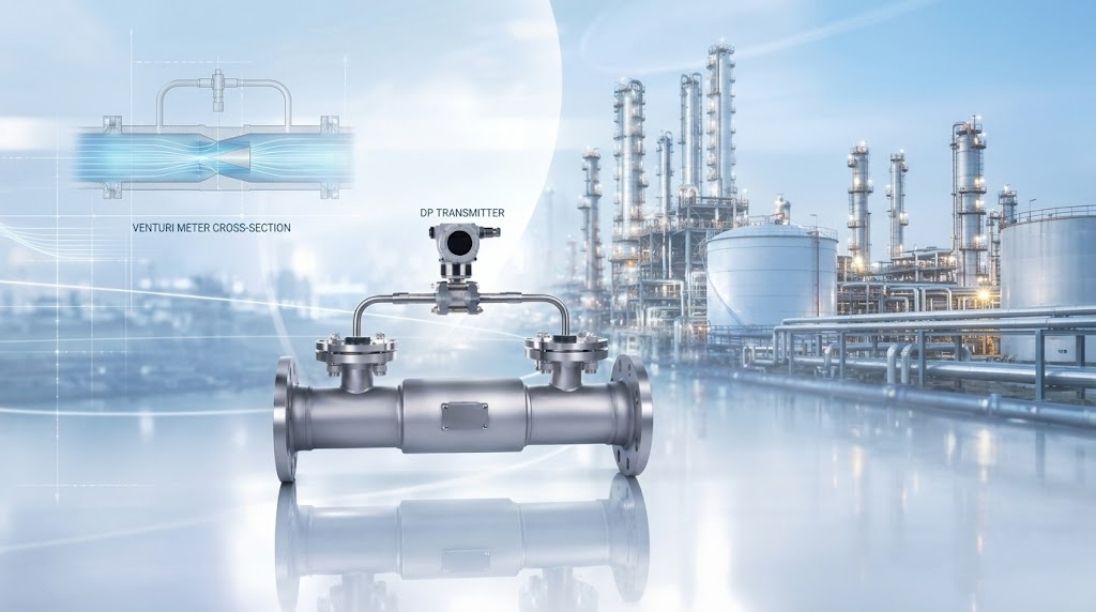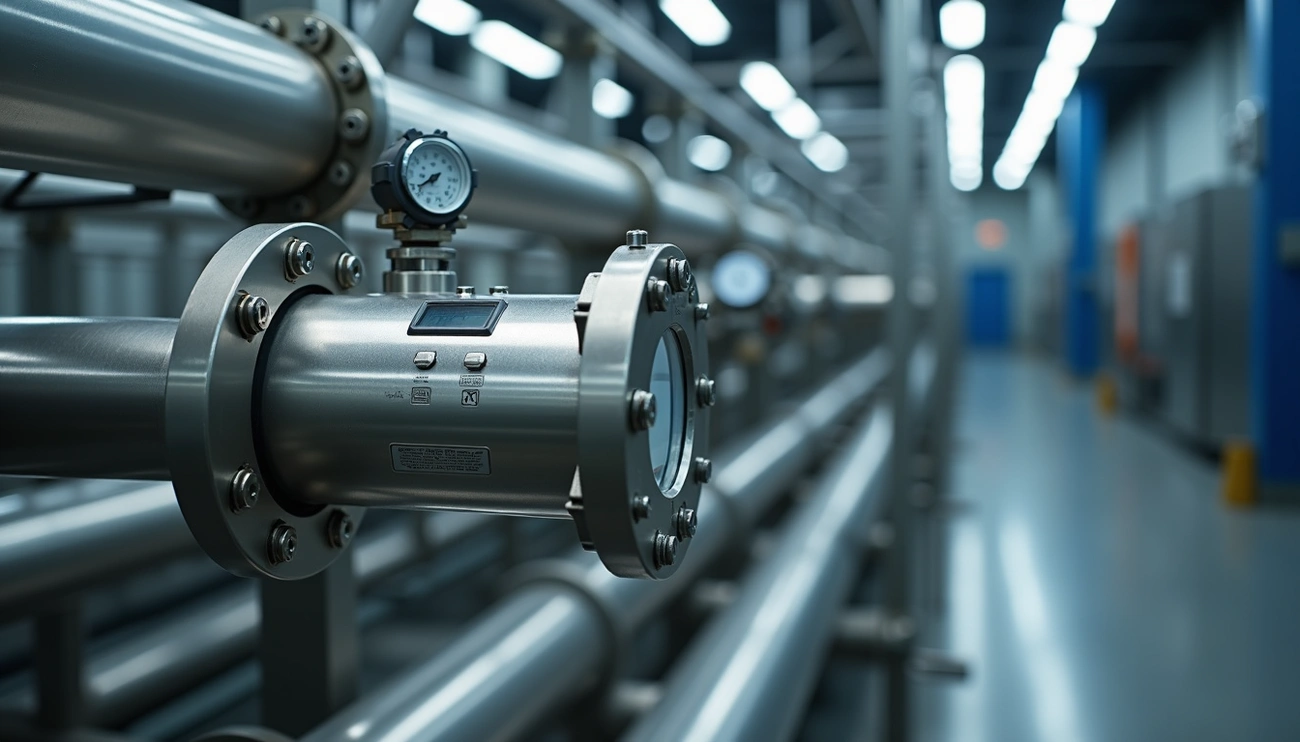
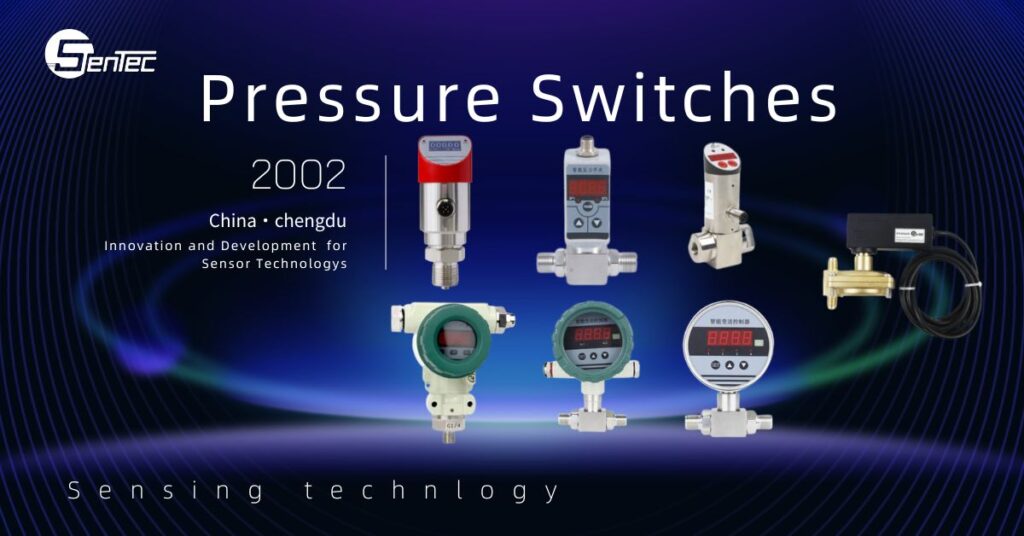
Pressure switches play a vital role in many industries, from compressed gas systems and HVAC applications to instrumentation setups. But what is a pressure switch? The device operates an electrical contact once a specific fluid pressure reaches its input.
Pressure switches operate between two essential points: the cut-in and cut-out pressures. These devices automatically supervise and control systems that use pressurized fluids. Take combustion systems as an example – pressure switches prevent equipment operation or shut down systems if pressure conditions become unsafe.
Let me walk you through this complete guide about different pressure switch types. We’ll look at everything from mechanical to electronic variants and explore their working principles. You’ll learn which switches work best in different applications. The guide will give you the practical knowledge to select the right pressure switch that matches your specific control requirements.
What is a pressure switch and how does it work?
A pressure switch acts as a control device that opens or closes an electrical circuit when fluid pressure hits a predetermined level. Pressure switches actively respond to pressure changes to control system operations, unlike pressure gages that only display readings.
Basic definition and function
The pressure switch device operates an electrical contact when fluid pressure reaches a specific set point on its input. These switches can make contact during pressure rise or fall, which makes them adaptable for various applications. The main components of pressure switches include a process fitting that connects to the system, a pressure sensing element, a microswitch that turns pressure into an electrical signal, and the switch housing.
How do pressure switches work?
Process pressure and spring force create two opposing forces in pressure switches. The process pressure applies force on an actuator through the connection in mechanical pressure switches. This creates movement in a diaphragm, piston, or bourdon tube. A preloaded spring adjusted by a setpoint screw works against this movement. The actuator moves and pushes a rod that changes the switch’s state when pressure rises above the spring’s resistance.
Electronic pressure switches follow a different principle. They employ pressure transducers or sensors that convert pressure into electrical signals. Electronic circuitry then interprets these signals to determine switch activation. These electronic versions provide better accuracy and stability over time compared to mechanical ones.
Cut-in and cut-out mechanism explained
Cut-in and cut-out settings are vital operational points for pressure switches. The cut-in (reset point) happens when falling pressure reaches a level where the switch closes its contacts. This completes the electrical circuit and starts equipment like pumps or compressors. The cut-out (trip point) occurs when rising pressure hits the upper threshold. This opens the contacts and breaks the electrical circuit to stop the equipment.
A differential or hysteresis exists between these points. This pressure range prevents the switch’s state from changing due to small fluctuations. The differential stops rapid cycling that could harm equipment. A system with a cut-in at 40 PSI and cut-out at 60 PSI would have a 20 PSI differential.
Types of pressure switches and their differences
Selecting the right pressure switch depends on understanding the different types available. Pressure switches come in several categories based on how they’re built, how they work, and what they’re used for.
Mechanical vs electronic pressure switches
Mechanical pressure switches turn fluid pressure into mechanical movement that triggers a physical contact. These devices work without power, which makes them perfect for safety-critical applications that need a reliable safety guard. They can handle higher currents than electronic versions and work great for directly switching pumps and motors. The biggest problem is they might wear down over time, especially if you switch them frequently.
Electronic pressure switches create electronic switching signals through built-in sensors and circuits. These modern devices give you extra analog output signals that match pressure readings. They come with an accessible interface that has displays and buttons to set them up right where they are. Electronic switches work best when you need stability, precision, and multiple switch points. They give better accuracy and don’t wear down as much.
Differential pressure switches
Differential pressure switches look at pressure differences between two points instead of absolute pressure. These special devices have two separate pressure ports that connect to different pressure sources. We used them in HVAC systems, filter monitoring, and flow control. They kick in when the pressure difference between ports hits a certain level. The switch works when its internal diaphragm moves based on this difference. This makes them really useful for checking filter conditions – a bigger pressure difference usually means something might be blocked.
Manual vs automatic reset switches
Manual reset pressure switches need someone to physically restart a system after it shuts down. This safety feature stops equipment from starting up again by itself after a pressure shutdown. You must press a button to get things running again.
Automatic reset switches bounce back to normal when pressure levels are okay again without anyone touching them. Some models let you switch between manual and automatic reset modes based on what you need.
Common pressure switch types by application
Different industries use pressure switches in their own ways. Industrial automation systems use them as safety interlocks and process controls. HVAC systems typically need differential pressure switches to watch airflow and filter conditions. Water systems use these switches to control pumps and keep pressure steady. Gas systems need special pressure switches to watch combustion conditions. Automotive applications might use them to check oil pressure or exhaust systems.
When to use a pressure switch in your system
Pressure switches play vital roles in many industries. These devices act as critical control and safety components in various systems. Engineers and technicians need to know where and why to use them for the best system performance.
Industrial automation and safety
Safety interlocks and process control elements rely heavily on pressure switches in industrial environments. These switches prevent equipment from operating when pressure levels become unsafe. The system’s automation features minimize human intervention and maintain safe operations. This setup saves energy and prevents waste.
HVAC and refrigeration systems
HVAC systems depend on pressure switches to safeguard vital components. High pressure switches protect compressors from damage by stopping them before pressure reaches dangerous levels. Low pressure switches prevent freezing by detecting unsafe pressure drops. The switches monitor pressure levels throughout the system to regulate air and fluid flow.
Water and air pressure control
The accuracy and versatility of pressure switches make them excellent tools for water level management. These devices keep water pressure steady by adjusting pumps automatically in homes, businesses, and farms. Their precise sensing capabilities make them perfect for monitoring both air compressors and hydraulic systems.
Combustion and gas systems
Gas-fired equipment stays safe thanks to pressure switches that monitor fuel train systems. The safety chain includes low gas pressure switches, high gas pressure switches, and combustion air pressure switches. NFPA86 requirements mandate these switches to shut down systems when safety limits are exceeded.
Monitoring and alarms
Pressure switches do more than just control systems. They trigger alarms and initiate shutdowns when pressure exceeds safe limits. Operators get early warnings to fix issues before equipment gets damaged. Modern switches can even test fire sprinkler system pressures automatically, which leads to faster and safer inspections.
How to choose the right pressure switch
You need to think over several crucial factors when choosing a pressure switch to ensure it performs well and safely in your application.
Pressure range and media compatibility
Your system’s standard operating pressure and maximum pressure capabilities should be the starting point. The pressure switch must handle both regular operating pressure and any sudden pressure spikes. The switch’s wetted materials must be compatible with your process fluid to avoid corrosion and safety risks. EPDM diaphragms work great with water, while NBR suits air or hydraulic oil applications better.
Electrical ratings and switching function
The choice of switch depends heavily on electrical requirements. Silver contact switches work best for switching 1-5 amperes in motors and solenoids, while gold contacts suit applications under 1 ampere like digital circuits and PLCs. The functionality you need – normally open (NO), normally closed (NC), or changeover (SPDT) – plays a crucial role too.
Environmental and enclosure considerations
The installation environment shapes your choice substantially. Switches used outdoors need proper IP/NEMA ratings to handle weather changes and temperature swings. Your switch specifications should match the application temperature to avoid setpoint drift and component problems.
Certifications and safety standards
Switches used in hazardous locations need specific certifications like explosion-proof, intrinsically safe, or non-incendive approvals. General safety certifications such as UL and CE ensure the switch meets electronic standards.
Conclusion
Pressure switches protect system safety and streamline processes in many industries. These simple devices keep pressure levels optimal in water pumps and industrial machinery. You’ll make better choices by learning about mechanical and electronic variants, including specialized types like differential pressure switches.
Your safety needs and operational requirements determine whether to use manual or automatic reset functions. Safety-critical systems work better with manual reset switches that stop automatic restarts after shutdown. Systems that need to run continuously do better with automatic reset features.
Take time to assess your system’s needs before buying a pressure switch. The full picture should include pressure range, media compatibility, electrical specs, environmental factors, and safety certifications. This step helps avoid compatibility problems or early switch failures.
Electronic pressure switches give you more precision and programming options. Traditional mechanical switches still work great in many cases because they’re reliable and don’t need external power. Your system’s requirements and limits will guide the right choice.
Pressure switches protect equipment and keep operations running smoothly in pressure-dependent systems. Smart selection and setup of these switches helps your system last longer, stay safer, and cost less to maintain. Now you can pick and install the perfect pressure switch that fits your needs.