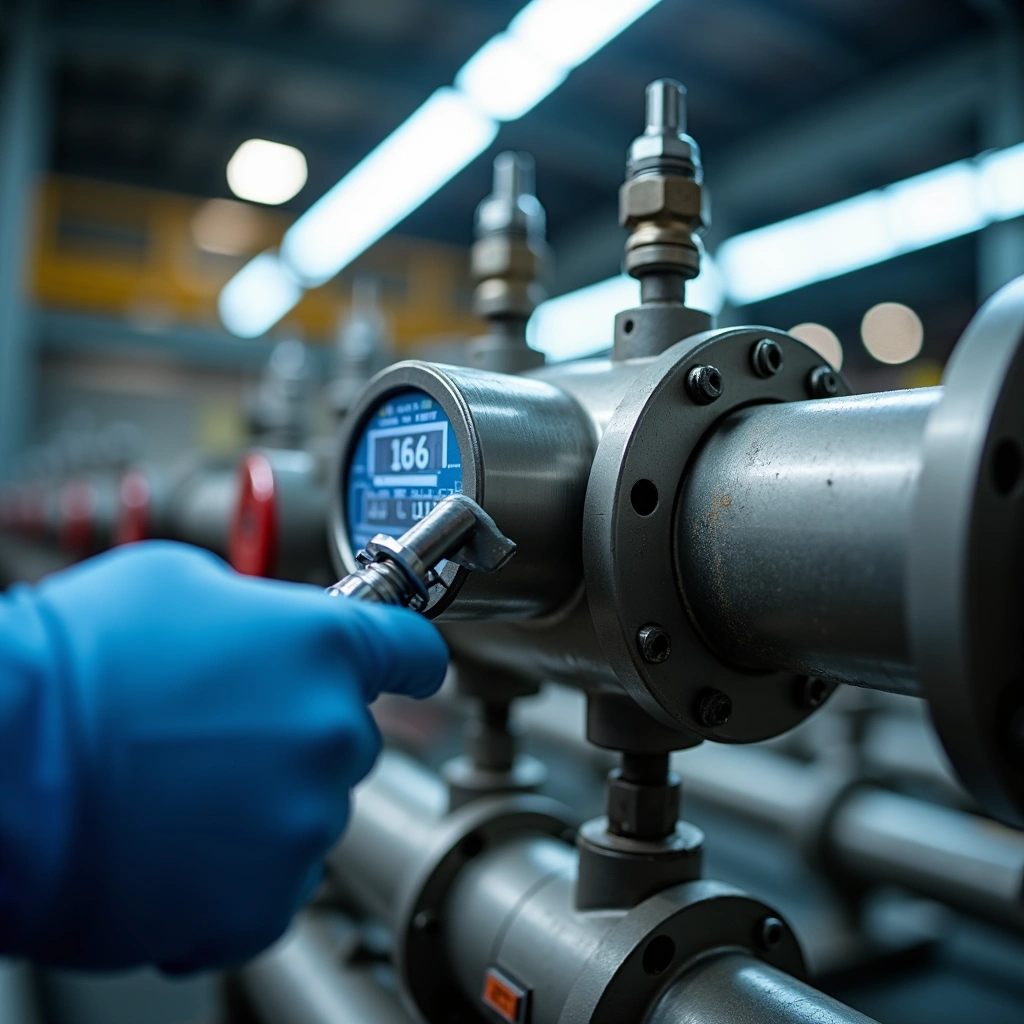
Wireless pressure sensors have reshaped industrial monitoring. They eliminate complex wiring and deliver outstanding performance benefits. Transducers Direct became the first manufacturer to create Bluetooth and FCC certified wireless pressure transducers with battery life that works for permanent installations. These smart devices now reshape the scene of pressure measurement in industries of all types.
Most wireless pressure transducers need just 5 minutes to set up. The specifications of today’s wireless pressure transmitters make them perfect for tough applications. Modern IoT pressure sensor models come with great battery life that lasts 5-8 years. Some models can even reach 10 years with power-efficient sleep modes.
This piece will teach you everything about wireless pressure sensors, from simple setup steps to advanced monitoring methods. You’ll learn to select, install, and realize the full potential of these monitoring tools that work great with liquids, gasses, or mildly corrosive fluids.
What is a Wireless Pressure Sensor?
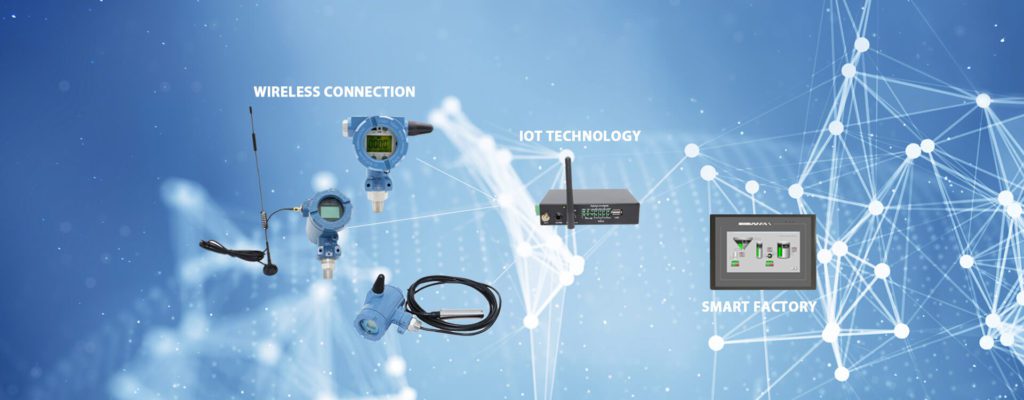
A wireless pressure sensor measures pressure in liquids, gasses, or vapors and sends data without physical cables. These smart devices combine pressure measurement technology with wireless communication. This combination creates a versatile solution that meets remote monitoring needs.
How it is different from wired sensors
Traditional wired pressure transducers need complex wiring installations, but wireless models don’t. This design offers substantial advantages in deployment flexibility. The wireless instrumentation lets you access remote locations without power sources. These sensors work great in hard-to-reach areas or hazardous environments.
These sensors operate at lower voltage levels than their wired counterparts—usually below 10VDC (9VDC, 5VDC, or 3.3VDC). Lower voltage helps minimize current consumption and makes batteries last longer. The wireless devices cut down installation costs and time because most setups need minimal infrastructure.
Battery replacement needs more frequent maintenance, but advanced models can run for several years on a single battery.
Common components and how they work
Wireless pressure sensors have three key components:
Sensing Element – This core component detects pressure changes and turns them into electrical signals. It usually uses piezoelectric or capacitive technology.
Signal Conditioning Circuit – This part amplifies the raw signal, filters noise, and converts it to a standard output format that’s ready for transmission.
Wireless Communication Module – The module sends data to receivers through protocols like Bluetooth, LoRaWAN,4G, or WirelessHART.
The sensing element deforms under pressure and creates an electrical signal that matches the pressure level. The signal conditioning ensures stability and accuracy before the wireless module encodes and transmits the data.
Types: gage, absolute, differential
Pressure sensors come in three main types:
Gage Pressure shows the difference between absolute pressure and current atmospheric pressure. This measurement relates to ambient air pressure, making it perfect for open tanks and hydraulic systems.
Absolute Pressure uses absolute zero (vacuum) as its baseline. The measurements stay accurate whatever the atmospheric changes. This feature makes it ideal for test stands, barometric measurements, and altimeters.
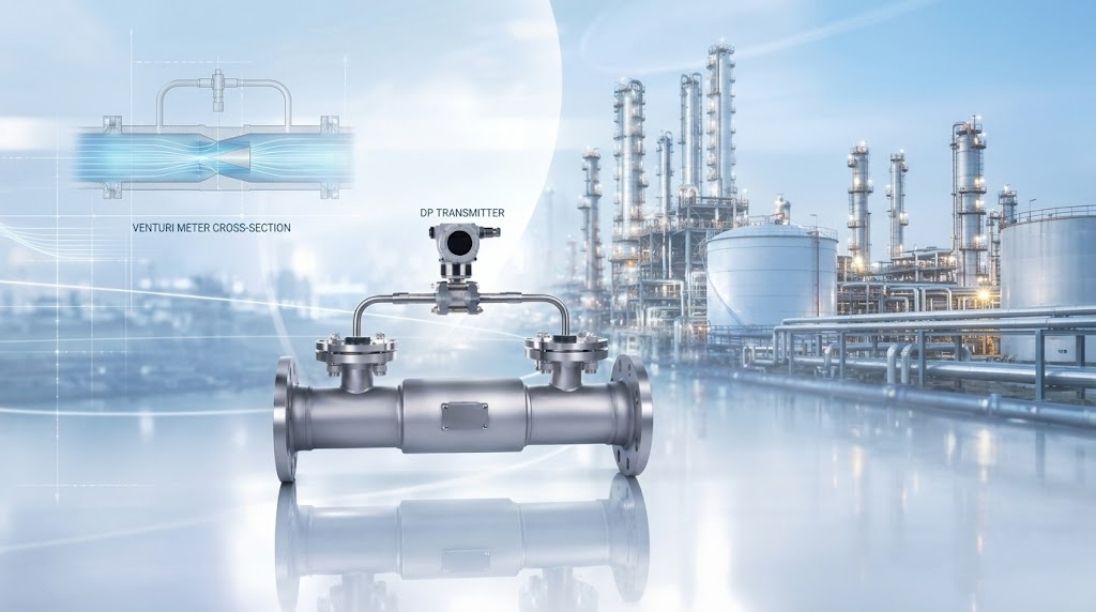
Differential Pressure calculates the difference between two separate pressure points. These sensors excel at filter monitoring, flow measurement, and level detection in closed vessels.
Stainless steel and polymer housing protect most wireless pressure transducers. This durable design handles harsh environments while measuring pressures from 29 PSI to 5,000 PSI.
Setting Up a Wireless Pressure Transducer
A wireless pressure transducer setup can be straightforward. You can achieve optimal performance with the right selection and installation techniques that match your monitoring needs.
Choosing the right sensor for your application
Think about what you need to measure. Wireless pressure sensors work well with liquids, gasses, and even mildly corrosive fluids. You’ll need sensors certified for Zone 1 areas in hazardous locations like petrochemical plants where flammable gasses might be present. The pressure range requirements matter too—most modern transducers handle ranges from 29 PSI to 5,000 PSI.
Installation basics and mounting options
The right installation will give accurate and lasting results. Use pipe thread sealant or Teflon tape for NPT threaded fittings and tighten 2-3 turns from finger tight. BSPP threads need specific mounting torque—no more than 30Nm for sensors with 2-35 bar ranges and 35Nm for sensors over 200 bar ranges.
Important: Use a wrench on the hex base to tighten—never twist the housing because this damages the sensor.
Powering the sensor: battery vs external
Battery-powered sensors are now standard in modern wireless pressure devices, which removes the need for power cabling. These battery-based sensors provide steady power supply and higher energy output. The battery can last up to 10 years in optimal conditions. So these sensors work almost anywhere in a plant without infrastructure limits.
Original configuration using mobile apps
After installation, you can configure the sensors through smartphone apps that use Bluetooth or NFC interfaces. These apps let you:
Create and store commonly used parameters
Reduce commissioning time
Generate trend logs for troubleshooting
Set alarms for high and low pressure alerts
This efficient setup process helps you deploy quickly and access data right away.
Key Features That Make a Difference
The performance and reliability of a wireless pressure transducer depends on several key features. Let’s take a closer look at these vital elements that help your monitoring system deliver maximum value.
Battery life and power-saving modes
Battery longevity is a vital advantage in wireless devices. WirelessHART instruments can last an impressive 10 years with update periods as short as 4-8 seconds. LoRaWAN sensors need update rates of 1 hour or more to save power.
Advanced models show remarkable efficiency:
8-year battery life at 10-minute measurement intervals (0°C to 40°C)
18-month typical lifespan at 1-minute intervals
These sensors use smart power-saving strategies. To name just one example, some units turn off heaters and signal processing circuits between measurements. This saves over 99% of power during idle times. Other models use just 6.5μA in sleep mode.
Wireless range and signal strength
The effective range depends on frequency, antenna type, transmit power, and environment. Sub-gigahertz frequencies work well through wooden structures. However, industrial settings with steel tanks and pipe racks pose challenges for all wireless frequencies.
Real-world ranges vary substantially:
LoRaWAN technology reaches up to 10 miles
Specialized gateways connect through 18+ walls at 2,000+ feet
High-gain antennas achieve an impressive 28-mile range
Data accuracy and resolution
Accuracy measures how closely values match actual pressure. It ranges from ±0.1%FS in precision applications to ±0.5%FS for general monitoring. This measurement shows the difference between sensor reading and actual pressure as a percentage of full scale.
Resolution shows the smallest detectable pressure change – as fine as 0.0006% of full scale. Quality sensors stay stable with noise levels below 0.05% of full range.
Certifications and safety compliance
Safety certifications are essential in hazardous environments:
ATEX/IECEx certifications for explosive atmospheres
IS Class I, Division 1, Groups A-D ratings for industrial settings
IP66/IP67 ratings for weatherproof protection
Industrial-grade models handle 50g shock and 8g vibration. They work across temperatures from -30°C to 75°C.
Connectivity: Bluetooth, LoRaWAN, WirelessHART
Each protocol brings unique benefits:
LoRaWAN sends small data packages (51-222 bytes) at 0.3-5.5kbps. This makes it perfect for long-range, low-power applications
WirelessHART creates mesh networks with multiple data paths for better reliability and supports hundreds of nodes per gateway
Bluetooth allows easy configuration through smartphones while providing strong security with modern encryption standards
4G/LTE provides high-speed, wide-area communication ideal for remote monitoring and real-time data transmission. It supports Modbus TCP, MQTT, and HTTP protocols for cloud connectivity and integrates seamlessly with existing IoT platforms
Advanced Monitoring and Integration
Modern wireless pressure sensors do more than simple measurements with their advanced data management capabilities. Cloud platforms change how we interact with these devices and provide immediate monitoring from any location with internet access. Users can see all pressure data through secure web servers and mobile applications.
Using cloud platforms for remote access
Users can access pressure readings through standard web browsers or dedicated apps with cloud-based monitoring systems. These platforms create digital twins of physical assets that enable complete oversight in a variety of networks. The hosting options include both on-premise solutions and EU-based cloud services with end-to-end encryption to boost security.
Setting alerts and thresholds
A proactive notification system makes monitoring work better. Users can set up individual-specific alarm rules based on specific thresholds with modern platforms. The system automatically sends alerts through SMS, email, or voice calls when pressure exceeds set parameters. Some platforms let users verify and track who acknowledged alerts and what actions they took.
Data logging and reporting
Each platform has different data capture capabilities with transmission intervals from once per minute to once every three days. Many systems send scheduled automatic reports by email at frequencies users can customize. Reports come in CSV format to analyze data and PDF for documentation that includes visual graphs with threshold violation statistics.
Integration with SCADA and IIoT systems
SCADA systems with wireless sensors can reduce deployment costs by up to 70% by eliminating cabling and trenching. Advanced gateways send both sensor readings and base radio status through long-range networks. Operators must think over communication protocol compatibility, data security requirements, bandwidth availability, and scalability needs to achieve uninterrupted integration.
PM450 Solar-Powered Wireless Pressure and Temperature Transmitter

The PM450 Solar-Powered Wireless Pressure and Temperature Transmitter is designed for real-time pressure and temperature monitoring in oil and gas production, water wells, storage, and transportation systems.
It features a low-power wireless communication design, eliminating the need for wiring and significantly simplifying installation. With its solar-powered system, the PM450 ensures continuous, maintenance-free operation even in remote locations. This design enhances safety, efficiency, and reliability, making it an ideal solution for modern industrial field monitoring applications.
OEM customization and scalability
At Sentec, we provide comprehensive OEM and ODM customization services to meet diverse industrial and environmental monitoring needs. Our engineering team can design and deliver custom wireless sensors and systems with development timeframes as short as eight weeks.
Customization options include hardware design, firmware development, and mobile software integration for Wi-Fi, Bluetooth, LoRaWAN, WirelessHART, and 4G communication protocols. We also support custom data formats, mechanical housings, and multi-sensor integration tailored to specific project requirements.
For large-scale deployments, clustered network architectures are implemented to balance power consumption across nodes, extending the overall system lifespan and reliability. With flexible manufacturing capabilities and a deep understanding of industrial standards, Sentec ensures that every customized solution delivers long-term performance, interoperability, and scalability.
Conclusion
Choosing the right sensor for your application depends on several key factors. Battery life, wireless range, data accuracy, and proper certifications are vital elements that determine system reliability. The choice between Bluetooth, LoRaWAN, and WirelessHART connectivity options brings different advantages based on your specific monitoring needs.
Wireless pressure sensors excel in applications where traditional wired systems don’t work well or get pricey. The flexibility, scalability, and performance advantages typically outweigh the need for occasional battery replacement. These sensors deliver reliable data and reduce installation costs and complexity, whether you’re monitoring liquids, gasses, or corrosive fluids.
Wireless technology keeps advancing, and pressure monitoring systems will likely become even more capable. The fundamentals covered in this piece will help you select, install, and get the most from these powerful tools that match your monitoring needs.