Sensor to measure Solid Powder
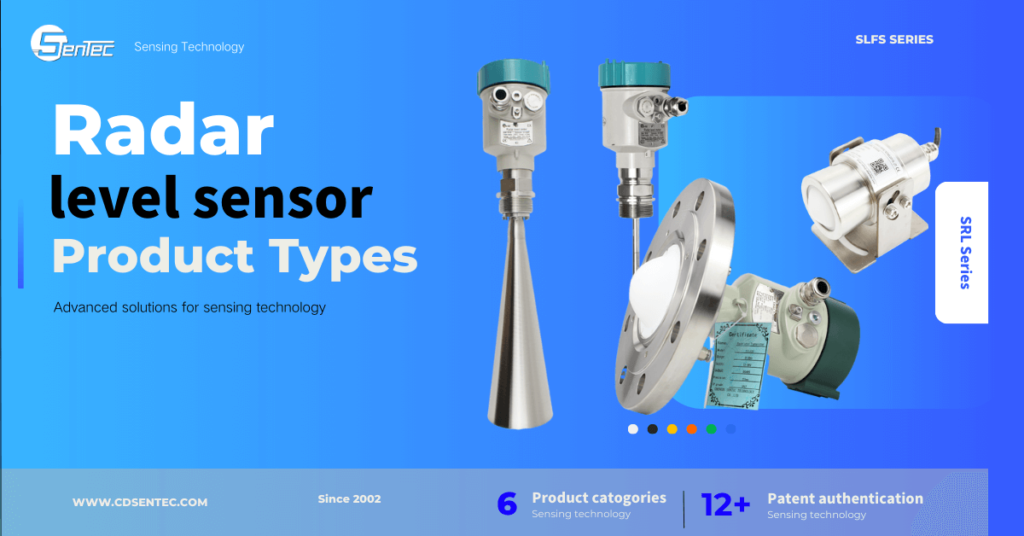
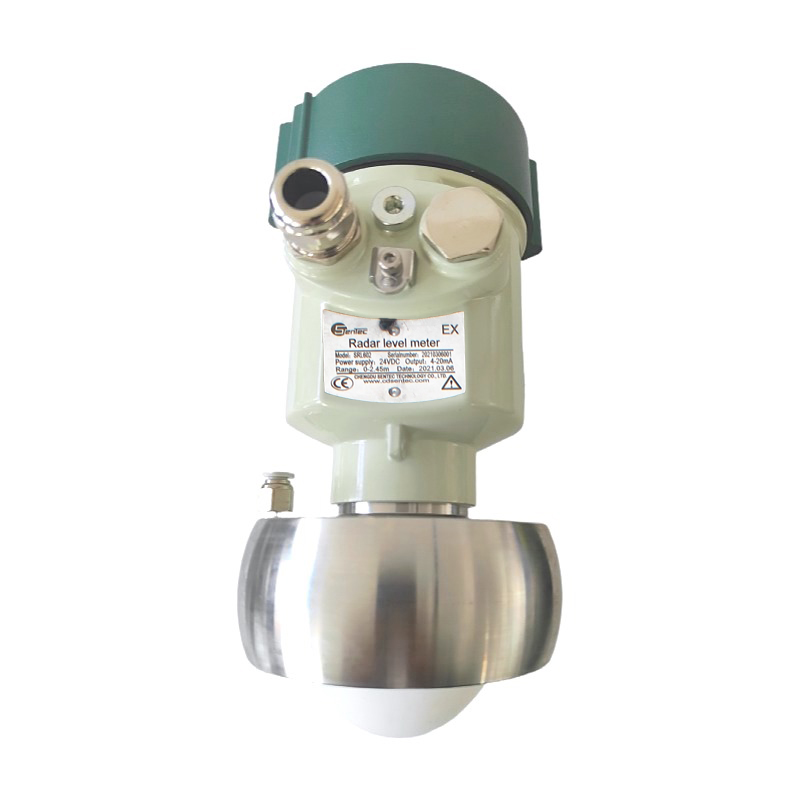
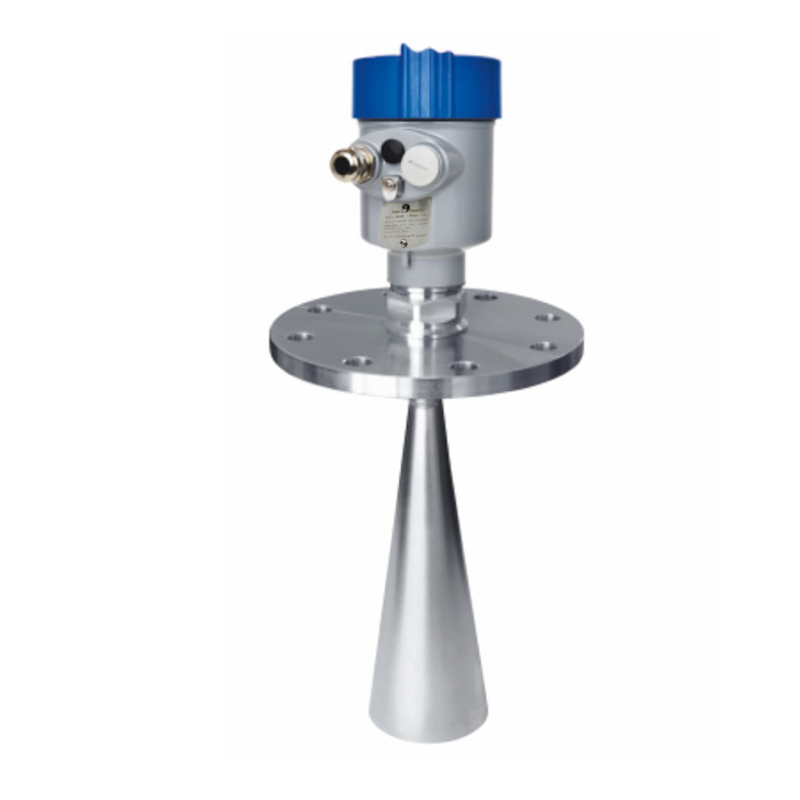
What Sensor to measure Solid Powder? Radar level instruments and ultrasonic level instrument are the two main measurement sensor for continuous level measurements of grains, sand, powder and so on.
Table of Contents
Backgroud: Sensor to measure Solid Powder
A solid here refers to a substance as opposed to another form of liquid. Solids exist in various forms, such as blocks, bars, granules, etc.
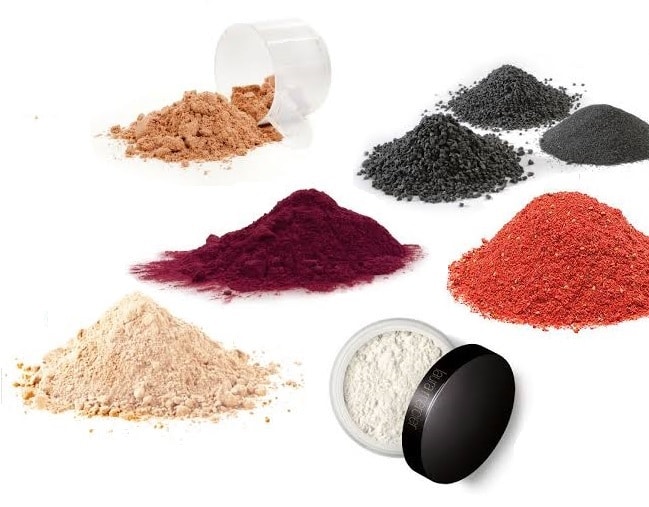
Powder generally refers to an aggregate of discrete particles less than 1 mm in size. Powder is also a type of solid.
For the detection of solid powder, what we want to specify here is only the liquid level of the solid powder.
In industrial agriculture, we often measure the height of solid powder in storage, and the detection objects usually include grains, sand, powder and so on.

Solid powder continuous level measurement
Radar level instruments and ultrasonic level instruments are the two main measurement sensor for continuous level measurements of grains, sand, powder and so on.
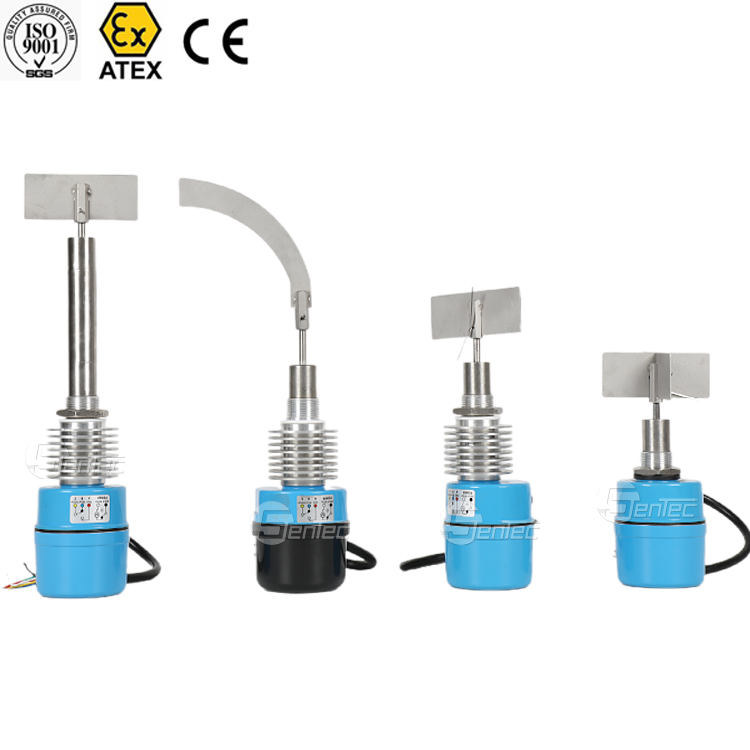
Solid powder point level sensor
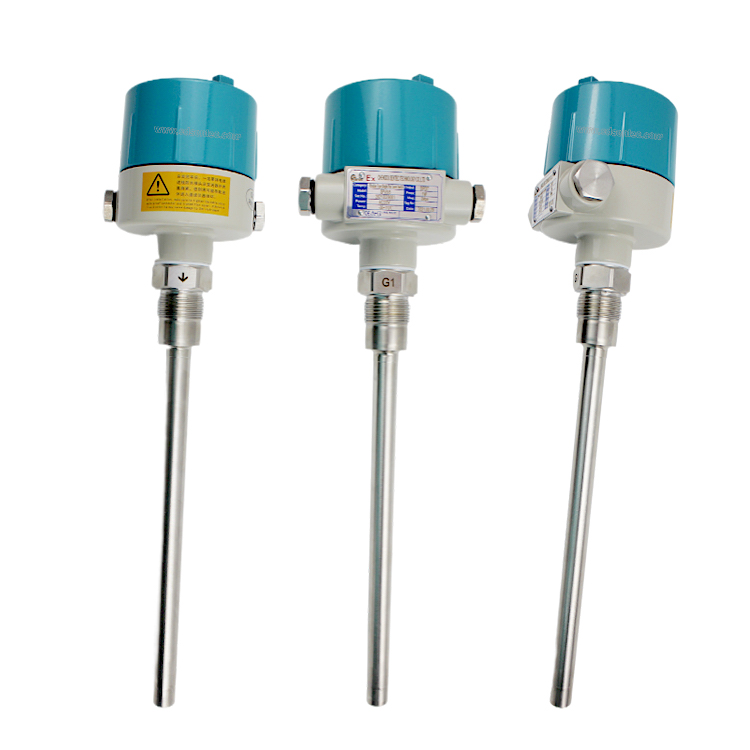
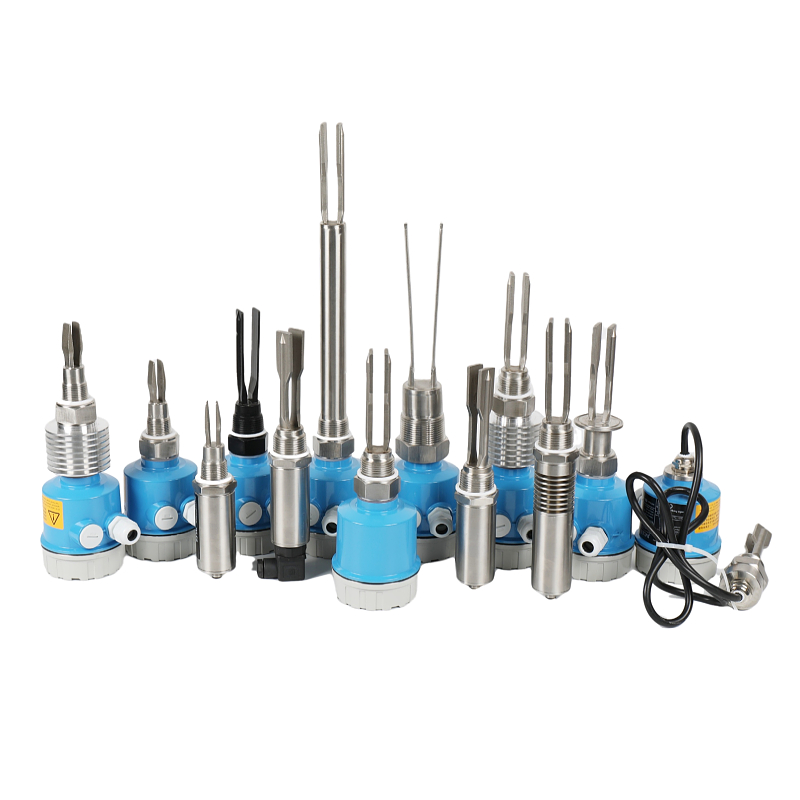
Point level sensors are devices that can detect the presence or absence of almost any liquid media. Generally, these sensors are used for processes where high or low levels need to be detected. Typically, the most common applications that require a point level sensor fall into two categories; leak detection – preventing expensive damage to equipment or service interruption or level measurement – preventing overspill or run dry situations. The technology works like a switch to drive an action when the tank or vessel level reaches above or below a certain threshold.
Subscribe To get new products and solutions
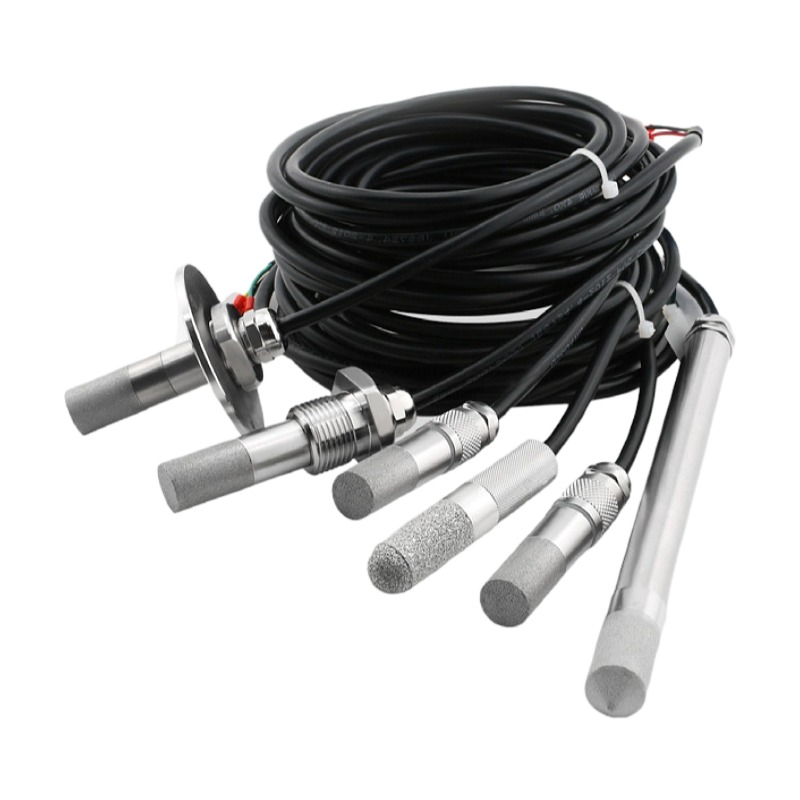
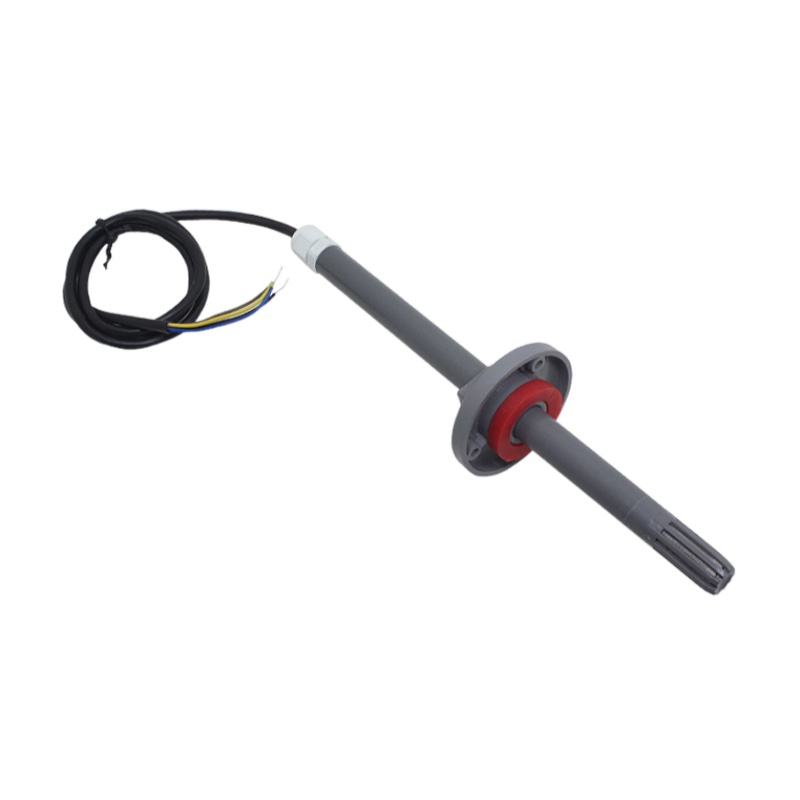
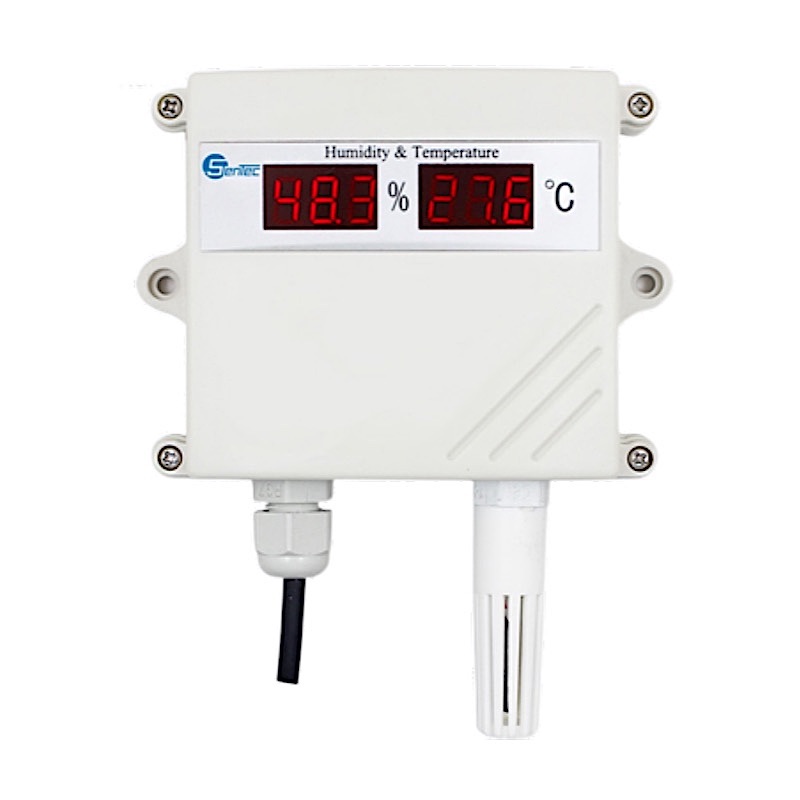
Solid Powder grain temperature sensor
The grain warehouse temperature and humidity monitoring system is an all-weather monitoring system that can centrally manage multiple warehouses and multiple monitoring points, so that the temperature and humidity of the grain warehouse can be displayed in real time, which is conducive to timely detection of humidity and abnormal temperature in the grain warehouse. , is a good assistant to prevent mildew and moisture.
System functions:
1. The temperature and humidity monitoring system of the grain warehouse can detect temperature, humidity and nitrogen concentration in real time and at regular intervals;
2. The grain warehouse temperature and humidity monitoring system builds background drawings through on-site modeling, and displays monitoring data simply and intuitively;
3. The temperature and humidity monitoring system of the grain warehouse analyzes the sensor data through reports and curves;
4. The temperature and humidity monitoring system of the grain warehouse remotely monitors and records video through the camera;
5. The temperature and humidity monitoring system of the grain warehouse has the function of report printing;
Latest Posts

Magnetic Flow Meter Explained: How It Works and When to Use Them
A magnetic flow meter offers something most flow measurement devices cannot: accurate readings without any moving parts or obstructions in the flow path. This transducer

Level Switch Types Explained: Choosing the Right One for Your Application
Introduction The choice between various level switch types available can make the difference between smooth operations and pricey process failures. Level switches detect and signal

Pressure and Temperature Transducer Basics: Tips for Accurate Measurements
A single process point can now measure two critical parameters. This has revolutionized industrial monitoring, and the pressure and temperature transducer makes this possible with

How to Connect Wireless Pressure Transmitters Using 4G and NB-IOT Networks
Wireless pressure transmitter using 4G and NB-IoT networks signal technology can operate on a single battery for up to many years while it maintains network