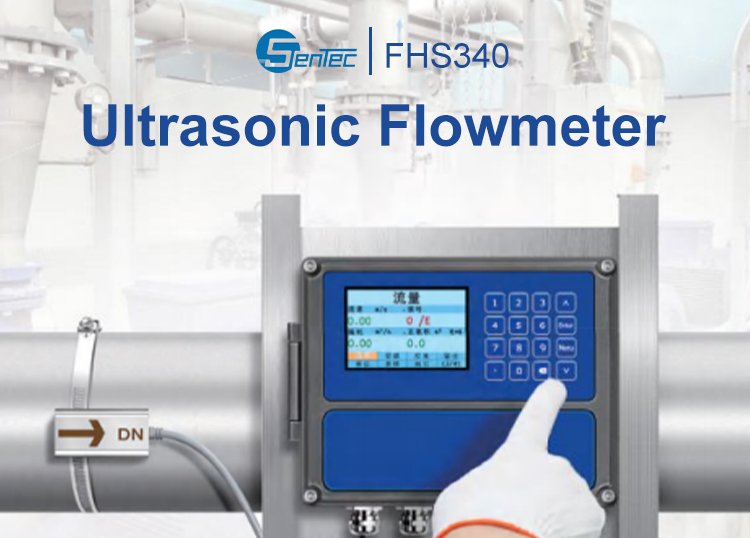
Clamp-on ultrasonic flow meters have changed how we measure liquid flow in pipes. These non-intrusive devices provide accurate flow measurements without cutting into existing piping or stopping operations. They save time and resources too. The simplicity and effectiveness of these systems is remarkable, especially after working with flow measurement technologies of all types.
Clamp on ultrasonic water flow meter options use transit-time technology. This technology calculates the time difference between ultrasonic signals that travel upstream and downstream through the liquid. The flow rate measurements happen without any contact with the internal fluid. The accuracy of clamp-on ultrasonic flow meters typically reaches ±0.5% of reading, which makes them reliable for critical applications.
This piece walks you through everything about these versatile instruments. We cover the simple working principles and installation techniques that you need to select, install, and optimize your flow measurement system. The guide helps you compare clamp-on ultrasonic flow meter manufacturers and solve common installation problems.
Product Overview of Clamp-On Ultrasonic Flow Meters
Clamp-on ultrasonic flow meters are innovative tools that have transformed flow measurement technology. These devices measure flow data from outside the pipe, unlike traditional meters that need pipe modifications.
What is a clamp-on ultrasonic flow meter?
A clamp-on ultrasonic flow meter measures fluid flow from the outside of pipes without invasive procedures. The meter works with ultrasonic technology—either transit time or Doppler—to measure fluid velocity through pipes. The transit-time difference method sends ultrasonic signals through pipe walls and measures time differences between upstream and downstream signals. The flow velocity comes from these precise time measurements. The transmitter then calculates the volumetric flow rate by considering pipe parameters and fluid properties.
Key benefits and use cases
The non-intrusive design brings many advantages. You can install these meters without cutting pipes, stopping service, or shutting down systems. This optimized installation prevents downtime and pressure drops. The meters never touch the fluid, which reduces contamination risks.
These meters need little maintenance because they have no moving parts or wet components. They deliver accuracy up to ±0.5% of readings and perform well despite changes in temperature, viscosity, and pressure.
The meters help verify other meters’ accuracy, detect leaks in pipe networks, and conduct energy audits. Their portable design makes them perfect for troubleshooting and checking older meters while operations continue.
Industries where they are commonly used
This versatile technology helps many industries. Water and wastewater facilities use these meters to track network loads, influent, and discharge amounts. HVAC companies monitor cooling systems and energy use with them.
Chemical processing plants depend on these meters to control batches and handle dangerous materials. The pharmaceutical industry values their precision and sterile operation.
Oil and gas companies use them to monitor pipelines and transfer custody. Food and beverage makers like their clean design for process control. The meters also work well in environmental monitoring, power generation, and mining.
Step-by-Step Installation Guide
A clamp-on ultrasonic flow meter needs proper installation to give accurate measurements. I’ve found that a structured approach works best. Let’s get into the key steps.
Step 1: Parameter setting in the transmitter
Start by entering the right pipe and fluid information into the transmitter menus (M10-M14). This has pipe outer diameter, wall thickness, pipe material, liner details (if any), and fluid type. The right transducer mounting method in menu M13 depends on pipe size. Pipes with DN50-DN300 diameter need the V-method (reflection). Pipes smaller than DN50 or larger than DN300 should use the Z-method (direct). Once you’ve entered these parameters, check the installation spacing value that’s calculated in menu M14.
Step 2: Transducer installation
2.1 Installation location requirements
Pick a pipe section that stays full of liquid. You’ll need at least 10 pipe diameters of straight run upstream and 5 pipe diameters downstream from where you install. The transducers should be away from pumps, valves, elbows, and other things that disturb flow. When working with horizontal pipes, mount the transducers at 3 or 9 o’clock positions. This helps avoid air buildup at the top and sediment at the bottom.
2.2 Installation instructions
Clean the pipe surface well first. Remove paint, rust, or scale until you see bare metal. Put plenty of coupling compound on the transducer faces to get rid of air gaps between sensors and pipe. Place the transducers using the spacing shown in menu M14. Make sure they’re at the same height and secure them firmly with the provided clamps.
Step 3: Installation verification
Check the signal quality in menu M04 after installation. A good setup shows UP and DN signal strength values above 75. The Q (Quality) value should be over 75, and the transit time ratio needs to be 100±3%. If these numbers aren’t right, try adjusting the transducer spacing a bit. You might also need to double-check the pipe parameters or add more coupling compound.
Poor mounting spots, not enough straight pipe runs, or bad coupling can all mess up your measurements.
Mounting Types and Common Mistakes
Picking the right mounting type can make or break your flow measurement’s accuracy. Let’s get into the main options and pitfalls you should avoid.
V-type and Z-type mounting summary
The V-method lines up transducers on the same side of the pipe to create a reflected signal path. This mounting technique works best for pipes between DN50-DN300. The ultrasonic signal bounces off the opposite pipe wall in a V-shaped pattern. This doubles the path length and can improve measurement precision in standard applications.
The Z-method puts transducers on opposite sides of the pipe to create a direct transmission path. This approach serves pipes larger than DN300 or smaller than DN50 best. The Z-method’s signal penetration is stronger because the sound crosses the fluid only once. This makes it particularly useful for challenging conditions like old pipes with scaling or lined pipes.
Common installation mistakes to avoid
The installation might look simple, but several errors can hurt measurement accuracy:
Not enough straight pipe length (required: 10 diameters upstream, 5 diameters downstream)
Setting up near flow disturbances like valves, elbows, or pumps
Bad pipe surface preparation—you must remove paint, rust, and scale until bare metal shows
Poor coupling agent application that creates air gaps between sensors and pipe
Setting up directly over pipe seams or welds
Mounting on partially filled pipes or spots where air bubbles collect
A slight misalignment of transducers or wrong spacing can cause major measurement errors.
Performance and Accuracy Considerations
Your flow measurement system works best when you understand what it can and cannot do. Let’s get into what affects your results and the best ways to keep them accurate.
Clamp-on ultrasonic flow meter accuracy explained
Different models and applications have varying accuracy specifications. Clamp-on ultrasonic flow meters typically achieve accuracy between ±0.5% and ±2.0% of reading. While these readings might not match in-line meters used for custody transfer, they deliver excellent repeatability at ±0.2% to ±0.3%. This consistent performance makes them perfect for critical applications where reliable trending matters most.
Factors that affect measurement precision
Your measurement quality depends on several key elements:
Pipe condition – Signal transmission changes with surface roughness, corrosion, or scaling
Transducer positioning – Wrong arrangement leads to measurement discrepancies
Fluid properties – Ultrasonic waves face disruption from extreme viscosity or air bubbles
Environmental factors – Sound velocity changes with temperature and pressure fluctuations
Pipe size compatibility – Measurement becomes challenging with very large or small pipes
How to verify and calibrate readings
All meters drift over time, no matter how accurate they are. So, verification becomes crucial to maintain performance. Here are the common methods:
Factory calibration – Takes place under controlled conditions with traceable standards
Field verification – Uses a certified reference device for comparison
Wet calibration – Tests with known volumes of fluid
Industry experts suggest calibrating every 6-12 months in industrial settings. Critical applications need more frequent calibration.
Conclusion
Clamp-on ultrasonic flow meters are without doubt a major step forward in flow measurement technology. These devices give us amazing versatility without disrupting operations or needing pipe modifications. Their non-intrusive design cuts out downtime and still delivers accuracy levels of ±0.5% of reading. This makes them reliable tools for critical applications in many industries.
Accurate measurements depend on proper installation. The right procedures for parameter setting and transducer placement will give optimal performance. Your choice between V-type and Z-type mounting depends on pipe diameter, and each works best for specific applications. The measurement quality also depends on having enough straight pipe runs and well-prepared surfaces.
Regular calibration matters more than most people realize. Even the best meters drift as time passes, so checking them every 6-12 months helps maintain measurement integrity. This simple practice keeps your system running at its best.
My experience with flow measurement technologies has shown me something remarkable – the simple yet effective nature of clamp-on ultrasonic systems. These devices solve flow measurement challenges while maintaining accuracy and reliability. They deliver consistent results and save time and resources, whether you monitor water systems, manage chemical processes, or conduct energy audits.
Next time you need to measure flow, think over a clamp-on ultrasonic solution. You might find, just as I did, that these non-invasive devices strike the perfect balance between convenience and performance for your needs.