Modern fish farms rely heavily on aquaculture water quality monitoring systems as the industry expands worldwide. The aquaculture market reached USD 30.1 billion in 2018 and experts project it to hit USD 42.6 billion by 2023. This growth has sparked a transformation toward technology-driven solutions for fish farmers.
Fish growth depends critically on water quality. Dissolved oxygen stands out as the most crucial parameter to track. Traditional monitoring approaches struggle to deliver up-to-the-minute data needed to optimize production. Smart aquaculture monitoring systems now use multiple sensors to track pH, ammonia nitrogen, dissolved oxygen, and turbidity levels. These advanced sensors help farmers take quick action to minimize risks. The biggest problem remains the high cost of quality monitoring instruments, which limits their widespread adoption.
This piece will show you how these systems operate, what they measure, and the quickest ways to add them to your fish farming operation, whatever your size or budget constraints.
Why Water Quality Matters in Aquaculture
Water quality makes up the backbone of successful fish farming. It affects everything from survival rates to farm profits. Fish need water for all their basic needs, which makes water quality the most important factor in aquaculture operations.
Impact on fish health and growth
Bad water conditions hurt fish health and behavior. These problems can wreck aquaculture productivity. Malaysian fish farms saw their total annual production drop by over 50% in 2019 because of poor water quality. Fish grow slower, get sick easier, and die more often when water quality drops.
Fish behavior changes with water quality. This change tells us a lot about their growth and well-being. Poor conditions affect many body functions including:
- Metabolism and oxygen consumption
- Feeding behavior and nutrient absorption
- Immune system performance and disease resistance
- Reproductive capacity and overall survival
Water temperature plays a big role in fish metabolism. Higher temperatures make fish take in more water pollutants. The toxicity of ammonia and nitrite also goes up. Fish get stressed and become more likely to catch diseases. They also don’t convert feed as well, which cuts into farm profits.
Common water quality issues in traditional fish farms
Fish farms often face several water quality problems at once. Dissolved oxygen causes the most trouble. Low oxygen kills more fish than all other issues combined. Too much ammonia from fish waste and leftover feed creates toxic conditions. This stops fish from growing and damages their gills.
pH levels outside the sweet spot (usually 6.5-8.5) can really hurt fish breeding and performance. Breeding season makes fish extra sensitive. Eggs and baby fish handle bad conditions worse than grown ones.
Crowded or poorly run systems get filled with waste. Each kilogram of fish makes one kilogram of waste. This waste adds up to 70% of the nitrogen in the system. The result is a dangerous loop of rising ammonia and falling oxygen.
Limitations of manual monitoring methods
Old-school water quality checks don’t cut it for modern fish farming. The usual way involves grabbing water samples from tanks twice a day for lab testing. This takes lots of time and work. People make mistakes during sample collection and prep.
Manual checks can’t give you constant, current data. Dangerous changes might happen between checks. Water quality can change fast in busy operations. By the time fish show stress signs, damage has started.
Lab equipment, upkeep, and trained staff cost a lot. Without round-the-clock monitoring, farmers often spot problems too late. They notice only after fish stop eating or look stressed – when the damage is already done.
How Smart Aquaculture Water Quality Monitoring Systems Work

Image Source: MDPI
Smart aquaculture systems revolutionize how fish farmers manage water quality with precision. These automated solutions detect dangerous changes in water chemistry within minutes, which helps protect valuable stock more effectively than traditional methods.
Core components of an aquaculture monitoring system
A network of strategically placed sensors forms the foundation of every aquaculture monitoring system. These systems track critical parameters and typically include:
- Dissolved oxygen sensors that provide precise, up-to-the-minute readings crucial for fish health and growth
- pH, temperature, and turbidity sensors that track simple water conditions
- Ammonia and nitrate sensors that detect waste buildup
- Data loggers that store information internally or transmit it wirelessly
- Connectivity modules that enable remote access
When these components work together, they create a detailed monitoring network. Each installed monitoring unit collects over 10,000 data points daily.
Role of IoT and cloud platforms
Modern aquaculture monitoring relies on the Internet of Things (IoT). It connects physical devices that collect and exchange data to optimize farming processes. This network transforms simple sensors into an intelligent ecosystem where information flows naturally.
Cloud-based technology gives farmers a clear view of their operations from any location. These platforms process huge amounts of data through advanced analytics. Some even use artificial intelligence to identify patterns and predict problems. So farmers can make informed decisions based on historical trends instead of guesswork.
Real-time data collection and alerts
Smart monitoring shows its true value by capturing water quality events as they occur. These systems collect data every minute to ensure optimal conditions.
Farmers can customize alerts to get immediate notifications about unsafe dissolved oxygen or temperature levels. Quick notification allows intervention before conditions turn lethal. Automated systems can trigger oxygen injection at critical moments. This feature maintains ideal conditions and can save fish during emergencies like power failures.
This proactive approach substantially reduces risks from environmental fluctuations. It protects both fish welfare and farm profitability.
Key Aquaculture Sensors and What They Measure
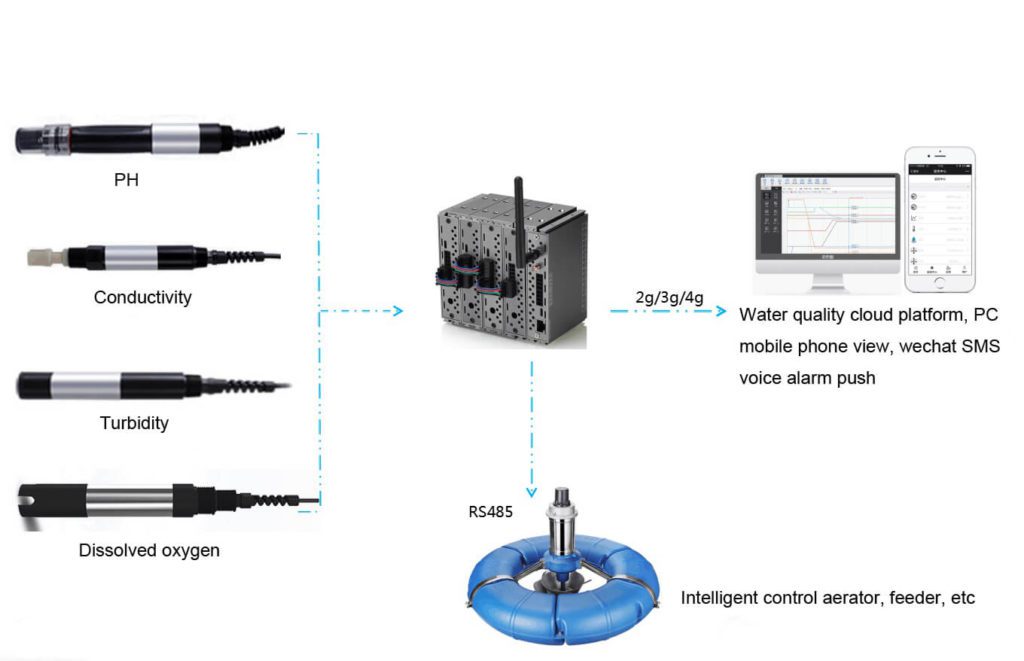
Specialized sensors that track water parameters continuously are the backbone of successful aquaculture monitoring. These devices help manage water quality and measure specific aspects that affect fish health directly.
Dissolved oxygen sensors
Dissolved oxygen (DO) stands out as the most vital water quality factor in fish culture. DO levels can change from safe to deadly in just hours or minutes, which makes it a critical parameter to track. You’ll find two main types of sensors in modern systems: electrochemical (galvanic or polarographic) and optical-based. The optical sensors work without warmup time or water movement, which makes them perfect for fixed monitoring spots. Electrochemical sensors give you quicker responses at lower prices.
pH and ORP sensors
Most aquatic species thrive when pH levels stay between 6.5-8.5. The sensors use a single-junction, three-electrode design with refillable reference solution to measure these levels. ORP (oxidation-reduction potential) sensors help track water’s ability to oxidize or reduce substances. These measurements tell us about water health and spot harmful compounds early. Both sensors work together to warn you about water quality problems before they get serious.
Temperature and turbidity sensors
Fish health depends heavily on temperature, which affects their metabolism and oxygen levels in water. Quality temperature sensors work from -5°C to 35°C and can detect changes as small as 0.01°C. Water clarity measurements come from turbidity sensors that detect floating particles. These particles can block light and reduce oxygen exchange. When turbidity gets too high, water temperatures rise and fish start to change their eating habits.
Ammonia and nitrate sensors
Ammonia ranks among the most dangerous compounds in aquaculture. It comes from decomposing matter, fish waste, and leftover food. Nitrate sensors track another key nitrogen compound, and high readings suggest your system might be out of balance. These sensors help spot dangerous conditions early enough to prevent fish deaths.
Conductivity and salinity sensors
Water’s electrical conductivity and salt levels need constant monitoring. The sensors use either inductive methods with ring-type coils or 4-electrode systems that work well even in tough conditions. Salt levels matter a lot for many species, and you need extra attention when working with marine and brackish water.
Benefits and Challenges of Smart Monitoring
Smart monitoring technology in aquaculture brings many benefits but comes with some hurdles. Fish farmers who welcome these innovations need to understand both the advantages and obstacles to adopt them successfully.
Improved fish survival and yield
Smart monitoring systems help more fish survive by detecting water quality problems early. These systems track parameters non-stop, which lets farmers spot dangerous changes before fish show signs of stress. The Affordable Recirculation Aquaculture System (A-RAS) tested in Kenya showed productivity that was four times better than regular pond methods. Fish reached market size in 4-6 months instead of nine months. Farmers using these systems can harvest twice a year instead of once, which makes their income much higher.
Energy and cost savings
Smart monitoring in aquaculture does more than improve yields – it makes use of information to save resources. Advanced monitoring solutions cut daily energy use by 15-20% while keeping water quality perfect. A Vermont hatchery cut its propane use by 83% and saved almost $1 million over ten years. They also reduced electricity use by 650,000 kwh each year, saving about $84,500 annually. Economic studies show energy costs per kilogram of fish production dropped by 17%.
Challenges in affordability and maintenance
The benefits are clear, but problems are systemic. Sensor probes break down often because they stay in water. Remote locations face reliable infrastructure issues, especially with electricity and internet access. System reliability suffers when devices or networks fail and lose data. Many traditional farmers also lack the special knowledge these complex systems need.
Solutions for small-scale farmers
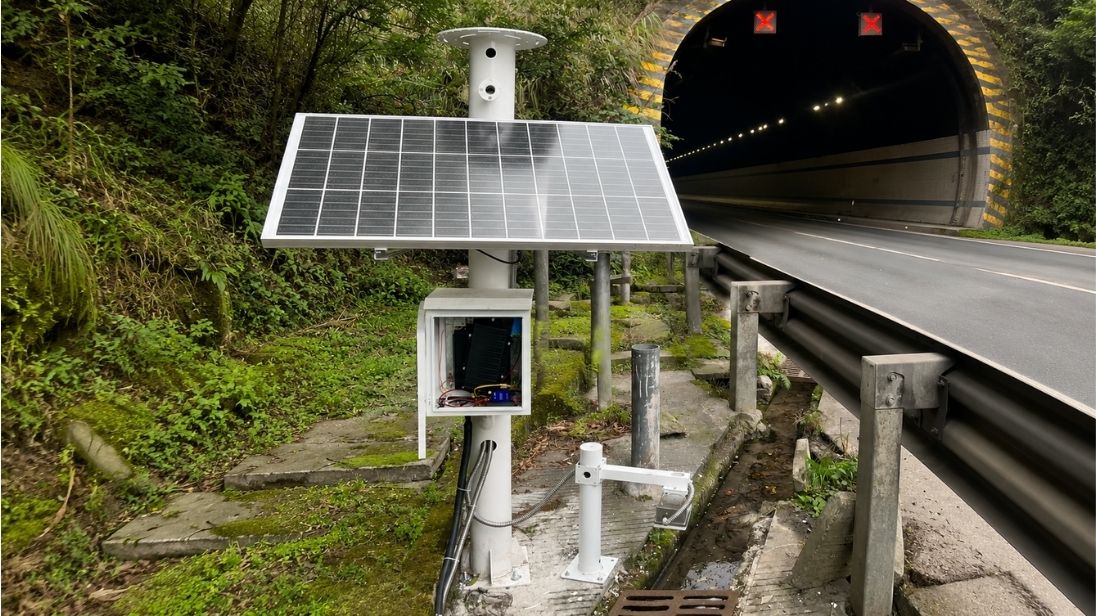
Small operations have several options that work well. Solar panels can power basic equipment like aerators and pumps where there’s no power grid. Government programs help cut original costs through tax credits, grants, and rebates for renewable energy. Basic monitoring systems that track only temperature, pH, and water level give farmers an affordable start while still offering substantial benefits.
Conclusion
Water quality monitoring is the life-blood of today’s successful aquaculture operations. In this piece, we’ve seen how good water conditions directly affect fish health, growth rates, and ended up impacting farm profitability. Manual monitoring methods don’t deal very well with quick water quality changes that can mean the difference between healthy stock and devastating losses.
Smart aquaculture monitoring systems are a most important advancement for fish farmers of all sizes. These systems use sensors to track vital parameters like dissolved oxygen, pH, temperature, and ammonia levels non-stop instead of occasionally. Live data collection and automated alerts help farmers tackle issues before they get pricey. This prevents deadly fish mortality events.
The advantages of this technology go beyond just keeping fish alive. Farmers who use smart monitoring systems see better yields, faster production cycles, and big energy savings. Some operations have cut their energy use by 20% while keeping ideal water conditions. This improves both green practices and financial returns.
Setting up these systems comes with its challenges. Cost, upkeep, and technical know-how can be barriers, but solutions work for operations of all scales. Small-scale farmers can begin with simple systems that focus on key parameters. Government support and renewable energy options help solve infrastructure problems in remote areas.
Water quality monitoring will without doubt stay essential as aquaculture grows worldwide. Investing in proper monitoring technology pays off through healthier fish, lower resource use, and more predictable harvests. Whether you run a large commercial operation or a small family farm, proper water quality monitoring is one of the most important steps toward sustainable, profitable aquaculture production.
FAQs
Q1. What are the key water quality parameters monitored in aquaculture? The most critical parameters monitored in aquaculture include dissolved oxygen, pH, temperature, ammonia, nitrate, turbidity, and salinity. These factors directly impact fish health, growth, and overall farm productivity.
Q2. How do smart aquaculture monitoring systems benefit fish farmers? Smart monitoring systems provide real-time data, automated alerts, and continuous tracking of water quality parameters. This leads to improved fish survival rates, increased yields, shorter production cycles, and significant energy savings for fish farmers.
Q3. What are the challenges in implementing aquaculture monitoring technology? Common challenges include the high initial cost of equipment, maintenance requirements for sensors, technical complexity, and potential infrastructure limitations in remote locations, such as lack of electricity or internet connectivity.
Q4. How often should water quality be monitored in fish farms? With smart monitoring systems, water quality can be monitored continuously, often collecting data every minute. This frequent monitoring allows for immediate detection of dangerous fluctuations, enabling quick intervention to maintain optimal conditions.
Q5. Are there affordable monitoring solutions for small-scale fish farmers? Yes, small-scale farmers can start with simplified systems that focus on critical parameters like temperature, pH, and dissolved oxygen. Solar-powered equipment and government incentives can help offset costs, making monitoring more accessible for smaller operations.