Water quality monitoring plays a crucial role in protecting our water resources. This practice helps us understand water bodies better and serves five key purposes: water body characterization, quality trend identification, problem detection, pollution prevention program design, and regulatory compliance verification. The beauty of monitoring lies in how it brings chemistry, biology, statistics, and economics together to manage water effectively.
Quality assessment focuses on key measurements like pH, temperature, dissolved oxygen, and biological indicators. Modern techniques have come a long way from traditional methods. Online Water Quality Monitoring (OWQM) now offers immediate measurement capabilities for source waters and distribution systems. This technology helps optimize treatment processes and system operations while quickly spotting contamination. In this piece, we’ll break down how water monitoring systems work and get into different monitoring methods that enable continuous quality assessment.
How water quality monitoring systems work
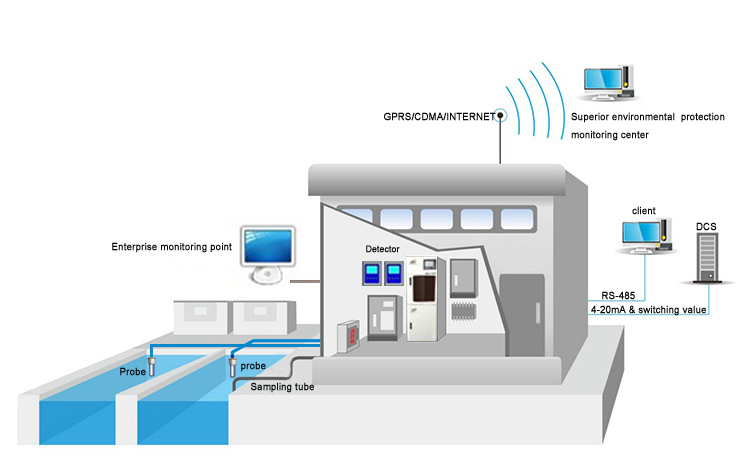
Water quality monitoring systems work through a framework that boosts distribution system monitoring and gives valuable information for better management. The systems depend on well-placed sensors, quick data transmission, and advanced analysis techniques to deliver applicable information about water conditions.
Simple components of a water monitoring system
Modern water monitoring systems combine several integrated components that work together to collect and analyze data. Water quality sensors form the core of these systems. They measure various parameters like chlorine residual, turbidity, total organic carbon, conductivity, UV-visible spectral absorbance, and pH. A central electrode surrounded by a reference electrode in a closed loop makes up these sensors’ main interface with water.
The monitoring equipment has microcontrollers that turn chemical reactions into electrical signals and measurable data. Data loggers read sensor information and send it to centralized management systems. The sensor housing protects the equipment and gives accurate readings by blocking environmental elements that could affect performance.
Communication systems play a vital role by enabling data transmission through different protocols. Systems can use short-range connections like Bluetooth, Wi-Fi, RFID, or Zigbee. Some systems need wider coverage and use cellular, LoRaWAN, or NB-IoT networks.
From sensors to data dashboards
Water quality monitoring follows a clear process after deployment. Sensors placed at key points throughout distribution systems or water bodies capture essential data. These devices take continuous measurements and send readings to central information management systems.
Data moves through wireless or wired communication protocols to reach central servers or cloud platforms. The collected information goes through analysis ranging from visual checks to automated statistical evaluation. This analysis helps spot data that doesn’t match typical patterns and that indicates water quality problems.
Data dashboards show live visualization of water quality metrics. These accessible interfaces display key information with customizable widgets, filters, and settings. Advanced dashboards can use machine learning algorithms to spot patterns and predict future trends based on past consumption patterns, weather data, and population factors.
This integrated monitoring approach helps water utilities detect many quality changes from cross-connections, backflow, nitrification, treatment process upsets, or contaminant introduction. Water quality professionals then get valuable live insights to improve daily system operations and manage water quality better across distribution networks.
Types of water quality monitoring methods
Water quality monitoring has changed substantially over the years. Scientists now use different methods to check water conditions at various levels. Traditional lab tests and advanced satellite technologies each bring their own benefits based on what needs to be monitored.
Grab sampling and lab analysis
Grab sampling captures water quality at one specific moment by collecting samples from a particular spot. The process involves six steps that need careful planning. Teams must know their goals, have the right tools, and pick exact sampling spots. Technicians need to stand downstream while they sample upstream to avoid contamination. They also must be careful not to stir up sediments that could skew their results.
Grab samples can’t tell us about water quality at other locations or times without more testing. Regular samples throughout the year help paint a complete picture. In spite of that, grab sampling remains crucial to detect pollutants that field instruments can’t measure. It also helps confirm field meter readings.
Continuous water quality monitoring
Continuous monitoring fixes many grab sampling shortcomings by using sensors that check water quality every 5-15 minutes. These systems track the same things as regular samples – pH, temperature, dissolved oxygen, and specific conductance. The difference is they keep recording data over long periods.
The USGS has made immediate measurements accessible from over 2,000 locations since 2014. This helps make quick public safety decisions and supports regulatory programs. The huge amount of data collected helps spot subtle changes and trends that periodic sampling would miss.
Remote sensing and real-time monitoring systems
Satellite observations let scientists assess water quality on a massive scale. NASA and other agencies use Landsat 8/9 and Sentinel-2/3 satellites to track things like chlorophyll-a concentration, turbidity, and Total Suspended Solids in inland lakes. Scientists can now watch thousands of lakes at once with detailed space and time measurements.
IoT technology has pushed monitoring capabilities even further. KETOS systems blend hardware, software, smooth connectivity, and immediate analytics to automate water quality checks. Operators can spot and fix water quality issues before they become major problems. Remote sensing gives affordable options compared to traditional methods, especially when monitoring large areas.
Technologies and tools used in modern monitoring
Modern water quality monitoring has evolved through state-of-the-art technologies that enable precise data collection and analysis. Water managers can now make timely decisions based on accurate information.
Water quality monitoring devices and sensors
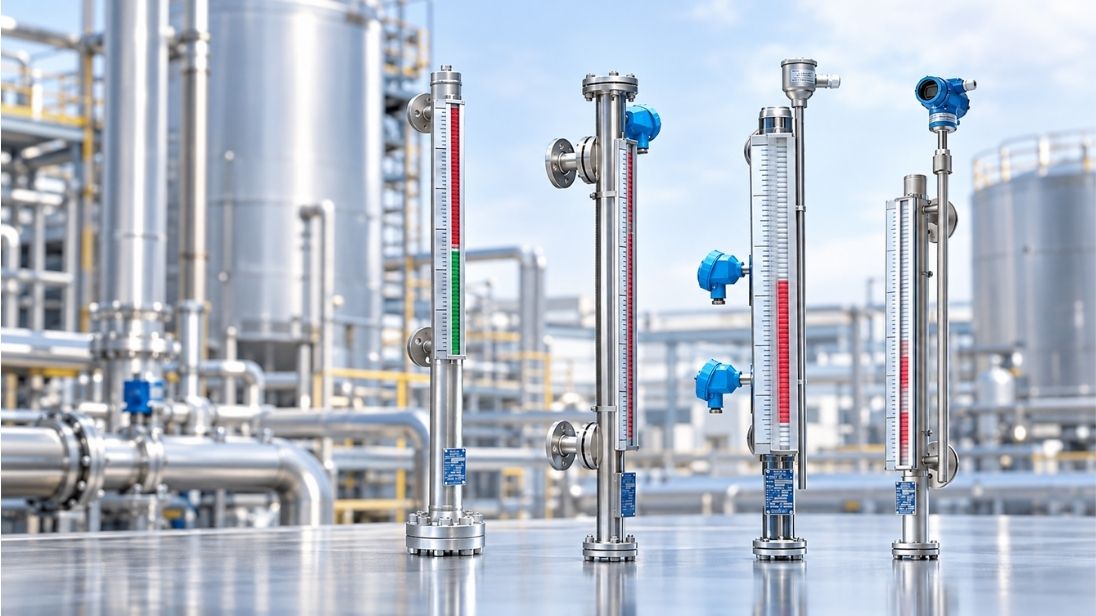
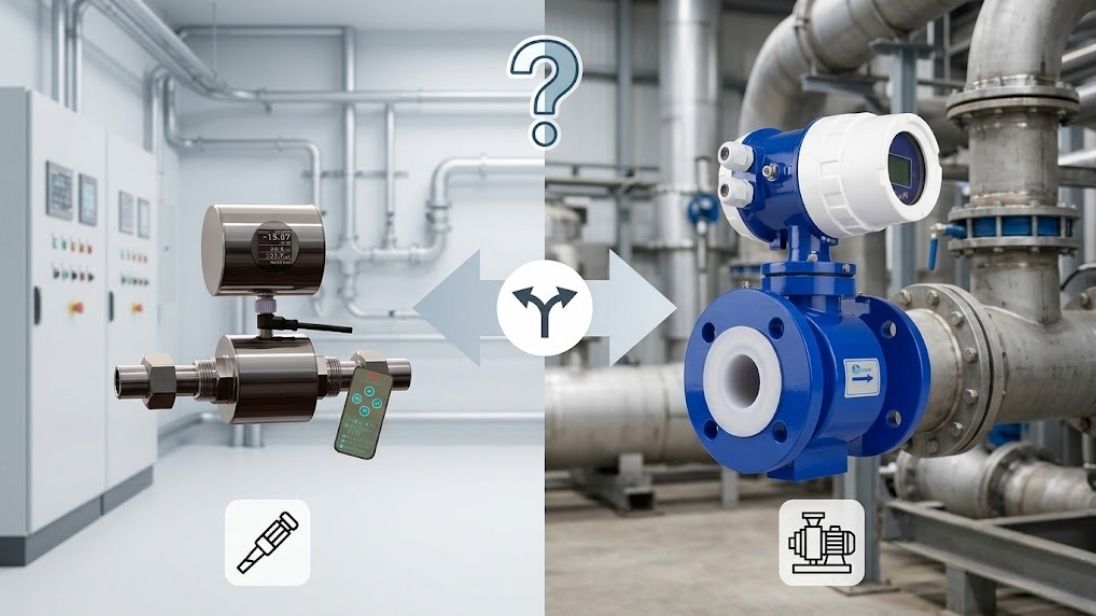
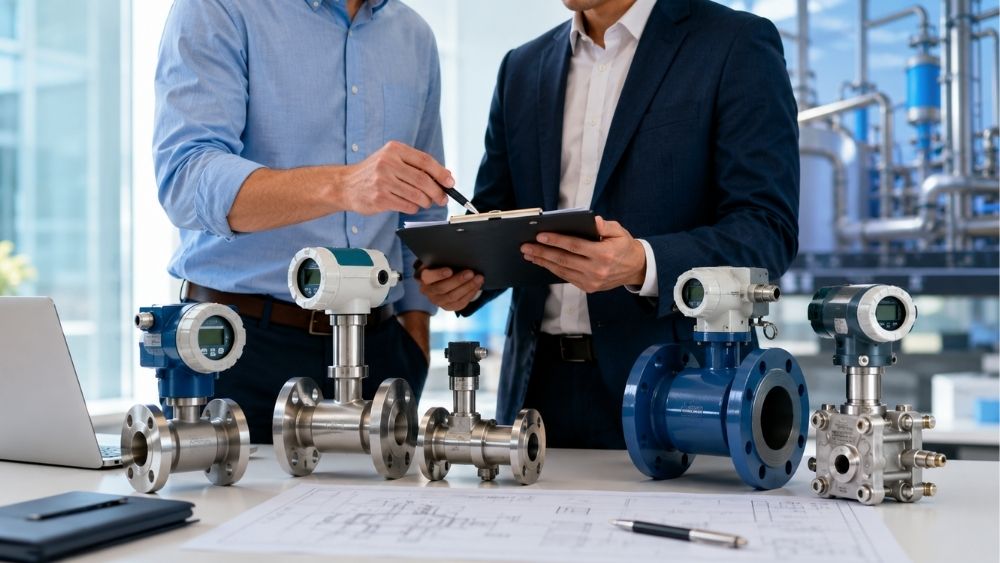
Current water quality monitoring devices feature sensors that measure various parameters simultaneously. These sensors detect temperature, pH, dissolved oxygen, conductivity, turbidity, and many more contaminants without human intervention. Most modern sensors withstand harsh environmental conditions while operating continuously. To cite an instance, the WQMS Water Quality Monitoring System’s features include four 4-20 mA sensors that measure fundamental parameters in a weatherproof package with rechargeable batteries. Beyond standard parameters, specialized sensors measure chlorophyll, nutrients, and heavy metals in select systems.
Automated and online water quality monitoring systems
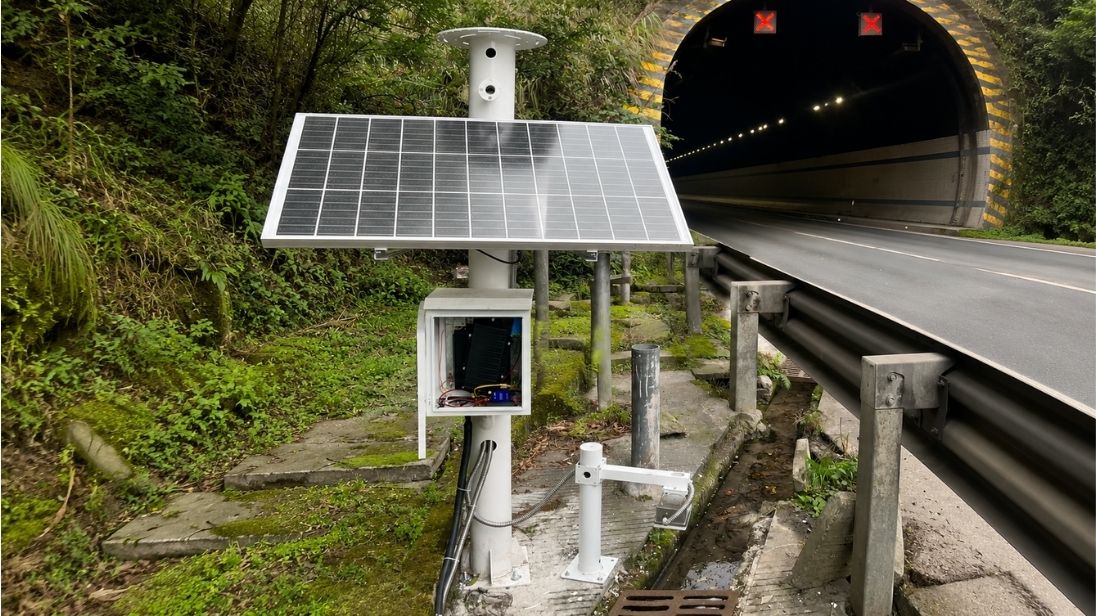
Automated water quality monitoring systems blend hardware, software, and uninterrupted connectivity to assess water quality continuously. These systems utilize immediate data collection and remote sensing technologies that enable high-resolution monitoring. The Online Water Quality Monitoring (OWQM) component’s features include water quality sensors, data collection hardware, and specialized software that detects contamination risks. These systems help utilities optimize treatment processes, improve operations, and identify contamination incidents quickly. Sensors placed strategically throughout water bodies collect data at regular intervals and transmit this information through wireless communication to centralized platforms.
Water quality management software and analytics
Water analytics software serves as a crucial component of modern monitoring systems. This technology enhances existing infrastructure to collect data on water content, usage, discharge, and quality. Water operators learn about their systems through dashboards that display measurements immediately. Big Data and IoT integration has revolutionized water quality management by enabling advanced analytics techniques. Machine learning algorithms help these platforms identify complex relationships, patterns, and correlations within the data. Several software solutions generate alerts when readings approach permit limits, which allows corrective measures before violations occur.
Challenges and future of water quality monitoring
Water quality monitoring has made great strides, but some challenges still need solutions. These range from reliability issues with data to implementing advanced technologies where resources are limited.
Data accuracy and standardization
Getting accurate data is one of the basic challenges in water quality monitoring. Bad data points can mess up model reliability. Recent studies show mixed results in data-driven models. Machine learning algorithms have shown impressive accuracy levels ranging from 76% to 97% after calibration. Data entry mistakes happen often. A single wrong data point can throw off basic statistics like mean and standard deviation.
Calibration helps boost sensor accuracy but can’t guarantee system reliability by itself. Many researchers now suggest using robust algorithms to improve data accuracy. Water quality experts also point out that standardizing methods is vital for reliable analysis and modeling at the basin level.
Integration with AI and IoT
AI integration with water quality monitoring shows promise but comes with its own set of challenges. Tests of 45 machine learning algorithms show they can solve complex nonlinear problems in water environments. These AI-powered systems are better than old models because they can spot contamination through pattern recognition and anomaly detection in real time.
The benefits are clear, but AI faces some roadblocks. Different sensors and devices often don’t work well together because they lack standard protocols. People worry about data security and privacy when dealing with sensitive water quality information. Machine learning techniques keep getting better though. Models now achieve performance metrics (R²) improving from 0.92 to 0.95 when bad data points are removed.
Expanding access to ambient water monitoring
Many countries facing the worst climate and pollution effects have big gaps in their data. Less-developed nations struggle the most. They don’t have enough data points across time and space. Better access to water quality monitoring could help create global water equality.
Citizen science projects are making a difference. Sierra Leone and Zambia now use citizen-collected data alongside national monitoring for SDG 6 reports. The WaterScope testing kit offers another solution with its open-source platform for testing drinking water in poor communities. Up-to-the-minute monitoring using machine learning and IoT looks promising. The biggest problem remains the cost of setting up and maintaining these systems.
Conclusion
Water quality monitoring systems have revolutionized how we protect and manage vital water resources. This piece explores how these sophisticated systems collect, analyze, and visualize critical data about our water bodies. Water managers can now make informed decisions based on accurate, timely information rather than periodic snapshots.
Moving from simple grab sampling to continuous monitoring marks a crucial advancement in water management practices. Remote sensing technologies have expanded monitoring capabilities to unprecedented scales. Thousands of water bodies can now be assessed simultaneously. These technological leaps give water professionals powerful tools that detect contamination events, identify long-term trends, and ensure regulatory compliance.
Modern monitoring systems combine specialized sensors, microcontrollers, data loggers, and communication networks into platforms that deliver actionable results. Water utilities detect quality changes quickly when cross-connections, backflow, nitrification, and treatment process upsets occur – well before they become serious problems.
Several challenges still need solutions. Data accuracy problems, standardization concerns, and implementation barriers affect regions with limited resources heavily. Promising solutions have emerged through citizen science initiatives and innovative, affordable monitoring approaches that help vulnerable communities access better water quality monitoring.
Machine learning algorithms and IoT integration are making water quality monitoring more connected, intelligent, and available than ever. Real-time monitoring networks now operate at unprecedented scales. While implementing these advanced solutions means tackling cost and compatibility challenges, their potential to transform water management worldwide remains clear.
Water quality monitoring works as an early warning system and foundation for sustainable water management. As technologies progress and become more available, our ability to safeguard this precious resource will grow stronger. This ensures cleaner, safer water for generations to come.