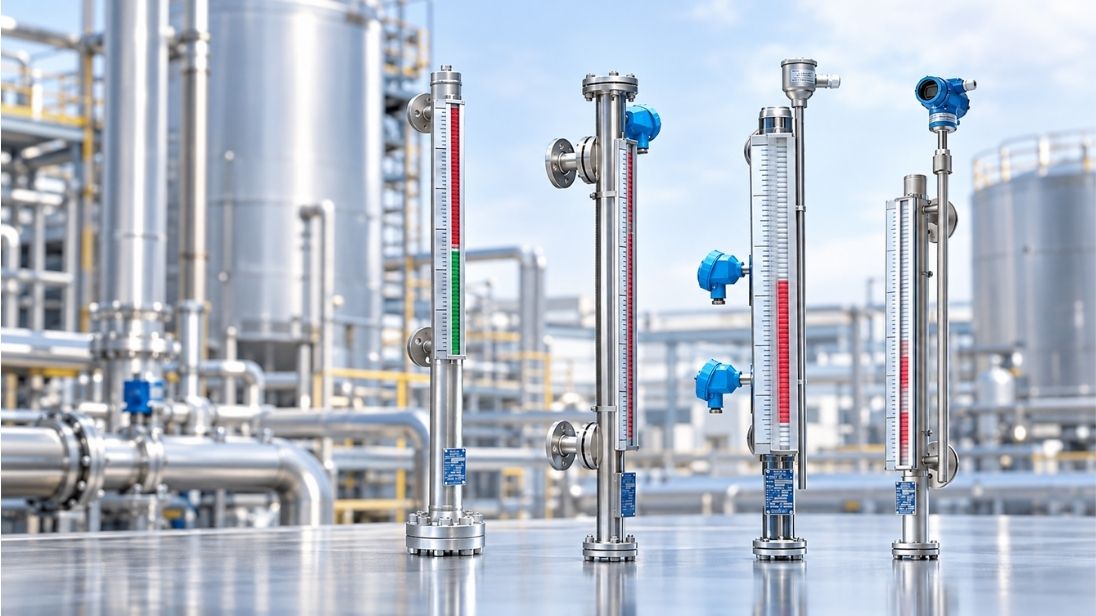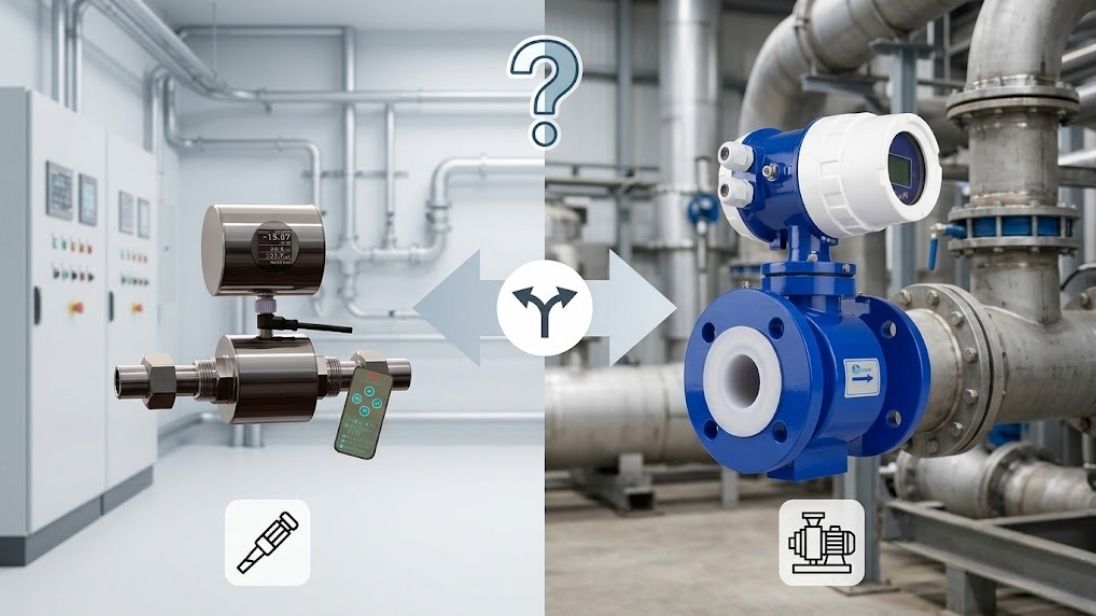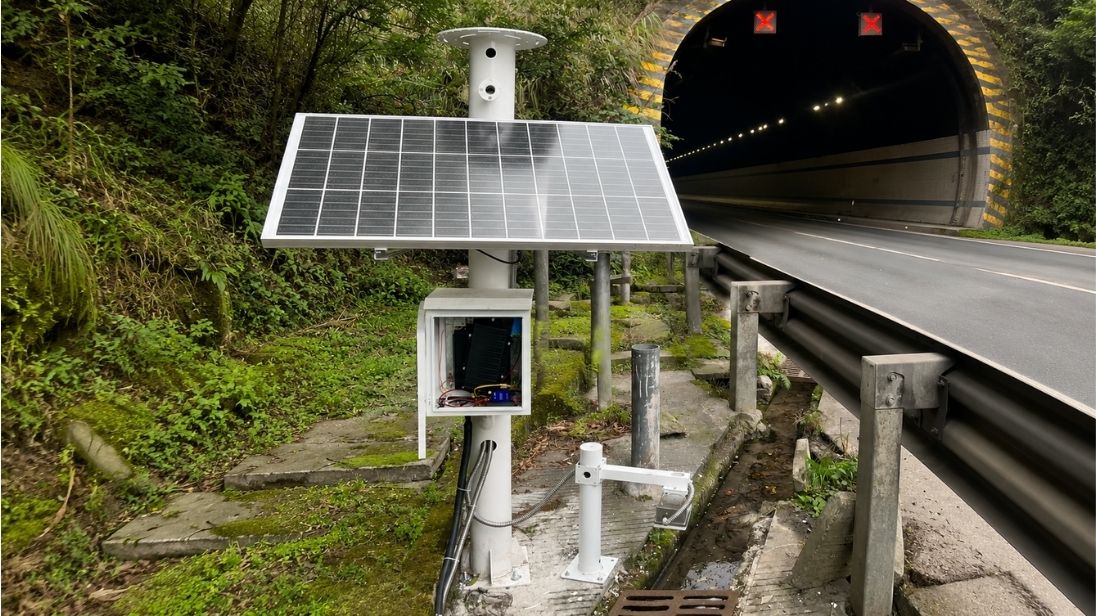

Your system’s operation can face serious disruptions due to flow switch problems. These vital devices monitor pressure and flow rates of substances in piping or HVAC systems. They support industrial applications of all types and provide safety, efficiency, and automated process control. Flow switches help maintain safe and manageable flow rates by triggering specific system actions when they work properly.
You need to understand a flow switch’s operation to fix problems quickly. The device responds to preset flow rate levels. It closes contacts to turn equipment ON or opens them to turn it OFF. On top of that, it works with different types of media. Water and air remain the most common choices. We classified flow switches based on their monitoring media, operation principle, installation method, and application areas. This piece walks you through typical flow switch problems, troubleshooting steps, and helps you decide between repair and replacement.
Common Flow Switch Problems and What Causes Them
Flow switches, even the most reliable ones, can develop operational problems over time. You can prevent costly downtime and equipment damage by learning to spot and fix these common issues quickly.
No signal or delayed response
Your flow switch might stop sending signals or respond slowly due to several issues. Scale buildup in the plumbing assembly often blocks the float or paddle mechanism from moving properly. Sometimes the flow rate is just too low to trigger the switch – many models need a minimum flow to activate their reed switch or sensing mechanism.
The probe or indicator light might also stop working due to mechanical damage. Problems with power supply or damaged circuits often cause switches to become unresponsive. To fix these no-signal issues, start by checking your flow rates. Clean any visible debris and make sure all power connections are secure.
False triggering or erratic behavior
The biggest headache with flow switches comes from false or erratic triggering. This disrupts operations and leads to needless maintenance checks. Pump cycles, pressure changes, and system turbulence cause natural flow rate fluctuations. These brief changes can set off alarms even when the flow stays above critical levels.
Water fluctuations from pressure changes trigger flow switches in fire alarm systems, causing false alarms. Industrial settings face a unique challenge – valve closures can create pressure waves strong enough to flutter flow paddles, even from a third of a mile away.
Many systems use hysteresis to fix this – a brief delay that waits for sustained flow changes before alerting. NFPA 72 allows up to 90 seconds for waterflow initiating devices and 10 more seconds before alarm notification. This creates a buffer against pressure surge false alarms.
Flow switch stuck in ON or OFF state
A stuck flow switch makes your monitoring system useless. Scale, dirt, or debris often builds up in the switch mechanism, causing this issue. Chemical reactions can also cause problems – some chemicals make o-rings swell, which stops float movement and gives false “FLOW” readings.
Flow components can get physically deformed too. A float might get stuck in the sight glass if it’s exposed to high flow rates above 5 GPM in some models. This leads to wrong readings. Corrosion and scaling on sensors or in pipes can also affect accuracy and cause switches to stick.
Electrical connection issues
Electrical problems often cause flow switch failures. Loose connections, bad wiring, and power outages directly affect how switches work. Environmental factors matter too – wires get damaged by rodents or insects, extreme temperatures affect performance, and moisture corrodes electrical contacts.
Bad installation often leads to electrical failures. Wrong wiring, loose cables, or poorly connected plugs stop signals from reaching control systems. Regular checks of electrical connections and protection from environmental damage help your flow switch last longer.
How Does a Flow Switch Work?

A flow switch’s internal mechanics explain why certain problems happen and how to fix them. Unlike regular switches that need manual operation, flow switches automatically respond to liquid or gas movement in a system.
Basic working principle
A flow switch monitors the pressure and flow rate of substances—liquid, gas, or air—in piping or HVAC systems. Most flow switches use specialized components that detect flow precisely. The switch typically uses a sensing mechanism like a magnetic paddle, vane, or diaphragm placed strategically in the flow path.
Fluid movement through the pipe creates pressure against this sensing element. A magnetic switch or reed sensor detects the paddle or vane movement. This movement triggers an internal circuit that sends signals to a secondary instrument—usually a transducer or relay. The transducer changes physical motion into electrical signals for control panels or monitoring systems.
Flow switches activate at a specific threshold called the “flow set point”. The switch responds by opening or closing its electrical contacts when system flow meets or surpasses this set point. This action starts or stops pumps, controls solenoid valves, or signals alarms for unusual flow conditions.
Normally Open vs Normally Closed

Flow switches come in two main configurations that set their default electrical state:
Normally Open (NO) – The circuit stays open (OFF) until enough flow triggers it. The electrical connection completes only when flow rate reaches the set point, which closes the circuit. This works like a light switch that remains off until someone flips it.
Normally Closed (NC) – The switch keeps a closed circuit (ON) by default and opens only when activated by a pre-set flow rate. This resembles a light that stays on until turned off.
Your application’s safety requirements and operational needs determine the choice between NO and NC. Normally closed switches work best when circuit interruption indicates problems. Applications that need state change detection or controlled electricity flow often use normally open switches.
Role of reed switches and magnets
Reed switches power many flow switches as sensing elements. These small electrical switches respond to magnetic fields and contain two or more ferromagnetic contact blades (reeds) sealed in glass. These contacts act as the switch mechanism.
Paddle-style flow switches often use paddles with permanent magnets that work with the reed switch. The attached magnets move relative to the reed switch as fluid pushes the paddle, causing it to open or close. Magnetic pistons in piston flow switches respond to pipe flow. The piston’s movement triggers the sealed reed switch as flow changes.
This magnetic design offers several benefits. The reed switch’s separate seal from the flow path prevents direct contact between electrical parts and monitored medium. This setup stops leaks and lets the switch work reliably in different environments, including those with corrosive materials.
Reed switches’ sensitivity measures in ampere-turns or AT, ranging from 10-60 for common uses. Lower numbers show more sensitive switches that activate easier with small magnetic field changes.
Types of Flow Switches and Their Failure Modes
Flow switches come in several different types, and each one works differently and can fail in its own way. You need to know their good and bad points to pick the right one for your needs.
Paddle flow switches
Paddle flow switches are the most common mechanical type that industries use today. They work with a hinged or spring-mounted paddle that sticks into the flow stream and moves when fluid hits it. The liquid pushes against the paddle, and this movement triggers a magnetically-operated reed switch that sends out the right signal.
These switches are popular but often run into problems. The paddle mechanism can get stuck open from dirt and mineral buildup, especially in systems that use unfiltered water. This sticking has caused serious equipment damage because the switch doesn’t signal when the flow stops. Even partial blockages let temperatures climb to dangerous levels while the system thinks everything’s fine.
The way you install these switches matters a lot. They work best when mounted at 3 o’clock or 9 o’clock on horizontal pipes, which keeps the paddle fully covered by the fluid stream.
Piston or shuttle flow switches
Piston flow switches work differently from paddle models. They use a free-floating magnetic piston inside the flow path. Fluid moving through the pipe pushes the piston, which then triggers a sealed reed switch inside the unit. A stainless steel spring helps the piston return as flow drops, which makes it work reliably.
The design of these switches makes them great at precision jobs. The piston’s metering land diameter controls exactly when it triggers by managing bypass clearance. Some models, like the FS-926 Series, have special lap-fitting pistons that can spot very low flow rates.
These switches hold up better than paddle types but can still have trouble with dirt. Most makers say you should use 150 micron filtration because too much contamination stops the piston from moving right. The good news is that many models are easy to maintain – you can usually clean them by taking off a bonnet nut without removing the whole unit.
Thermal dispersion flow switches
Thermal dispersion switches work on heat transfer instead of moving parts. They have two thermistors – one that heats up and one that doesn’t. The heated part transfers heat to the flowing fluid, which creates temperature differences that change with flow rate.
These switches are super reliable in tough environments because they don’t have moving parts. They work great where mechanical switches might fail from particles or wear. You can also install them in any direction, which makes setup easier since you don’t need to worry about flow alignment.
These switches can still fail in their own way. Their biggest weakness is mineral buildup on sensor probe tips, which blocks heat transfer and leads to wrong readings or complete failure. You can keep them working well by cleaning them with vinegar instead of rough materials.
Digital/electronic flow switches
Electronic flow switches pack advanced tech that gives you better monitoring options. They come with programmable setpoints, LED status lights, and digital displays that show immediate conditions. Many use similar thermal principles but add electronic processing to be more precise.
These advanced switches shine in tough jobs that need exact control. Their solid-state parts don’t wear out like mechanical ones, but electrical interference and power problems can still cause issues. Good grounding and protection from the environment are key to keeping them running right.
Digital models do more than just switch on and off. They can send out signals that show actual flow values, which lets you use more advanced control strategies.
How to Troubleshoot a Faulty Flow Switch
A methodical investigation helps pinpoint the exact problems of a malfunctioning flow switch. Most flow switch issues can be fixed without replacing the whole unit if you take the right steps.
Visual inspection and cleaning
The first step involves perusing the flow switch and piping system to spot any damage, corrosion, or blockages. Paddle switches need verification that the paddle attaches properly and moves without restriction. You’ll need to remove a nut to reach the spring and magnetic plunger after taking the switch off the water line. Any debris caught in these components needs cleaning, and the bore requires a small brush. Switches affected by lime or scale buildup need treatment with a brass-compatible scale remover or soaking in a solution of one part muriatic acid to four parts water.
Testing with multimeter or flow meter
The switch’s electrical functionality can be verified using an ohmmeter to measure resistance. Normally open switches should show no continuity when flow stops and complete continuity when flow starts. Normally closed switches work the opposite way. Paddle switches can be tested manually by pushing the paddle toward the flow direction and checking wire continuity.
Checking for power supply and wiring faults
The electrical connections should be checked for any signs of looseness, corrosion, or damage. The power supply must match specifications since insufficient power often causes display problems. The wiring needs proper connection, grounding, and should be free from damage. Digital models require inspection of cable integrity and connection status.
Resetting or recalibrating the switch
Adjustable models might need recalibration to fix triggering issues. Follow these steps with the unit installed and powered:
Adjust liquid flow to the desired switch activation rate
Insert a small flat-blade screwdriver into the potentiometer adjustment opening
If the LED indicator isn’t lit up, turn counterclockwise slowly until it lights up
If it’s already lit, turn clockwise until the light goes out, then slowly counterclockwise until it just lights up
When to Repair, Replace, or Upgrade
Your flow switch maintenance timing impacts equipment life and costs. Every flow switch has a limited lifespan, and you should know the warning signs to make smart decisions.
Signs your flow switch is beyond repair
These key signs show you need a replacement instead of repairs:
Visible corrosion or damage on the sensor or wires
Age-related deterioration (5-7 years old is typically replacement time)
Persistent error codes like “FLO” or “FLOW” despite troubleshooting
Intermittent heating that works sporadically
Rusting components or mineral buildup that can’t be removed
Choosing a compatible replacement
The replacement part number should match your existing model exactly. Power sources must be off before you start the replacement. You should use proper sealant on threads during installation. Wrong rethreading could lead to future leaks.
Upgrading to electronic or digital models
Digital flow switches work better than mechanical versions because they have no moving parts. Modern models like the MFM500A come with temperature compensation (5-50°C) that ensures stable performance. Button-based control points make settings easy. These digital upgrades give you traditional switch functions and 4-20mA analog outputs to monitor continuously. You get two instruments in one package.
Conclusion
Flow switches play a vital role in keeping industrial systems of all types safe and efficient. This piece explores common problems these devices face and their mechanisms. Problems like no signal, false triggering, stuck states, and electrical connection failures can disrupt operations. These issues might damage expensive equipment if left unchecked.
Regular maintenance and quick troubleshooting will extend your flow switch’s life substantially. Simple visual inspections and cleaning should be your first steps before testing electrical components with a multimeter. On top of that, checking the power supply and wiring often reveals simple fixes that look like major failures.
Replacement becomes the most practical answer after years of service or when problems persist despite your efforts. SenTec’s FST series offers features worth thinking over for your next setup. Their thermal-principle electronic switches don’t have moving parts that break in mechanical models. Digital versions let you monitor precisely through built-in displays and adjustable setpoints.
Your specific application needs determine whether paddle, piston, thermal, or electronic switches work best. Paddle switches handle standard applications well but don’t deal very well with mineral buildup. Thermal dispersion models shine in contaminated environments where mechanical parts might fail.
Flow switch technology keeps advancing with more reliable ways to monitor flow. No device runs forever, but picking the right switch type for your system’s needs cuts downtime and maintenance costs. Quick responses to flow switch issues prevent the chain of system failures that happen when these vital monitoring devices stop working properly.